
Welcome to the Inland Family Dentistry dental blog. Walla Walla is home to our practice, and this is the space where we share friendly, helpful information about keeping your teeth and gums healthy. Whether you are curious about what happens during a routine cleaning, wondering how nutrition affects your smile, or looking for tips to help your kids feel comfortable at their next visit, you will find articles here written with real families in mind. We believe good dental care starts with good information, and we want this to be a resource you can trust.
New here? Learn more about our team and the services we offer, including general dentistry, hygiene, and pediatric dentistry. You can also explore trusted oral health resources from the American Dental Association.
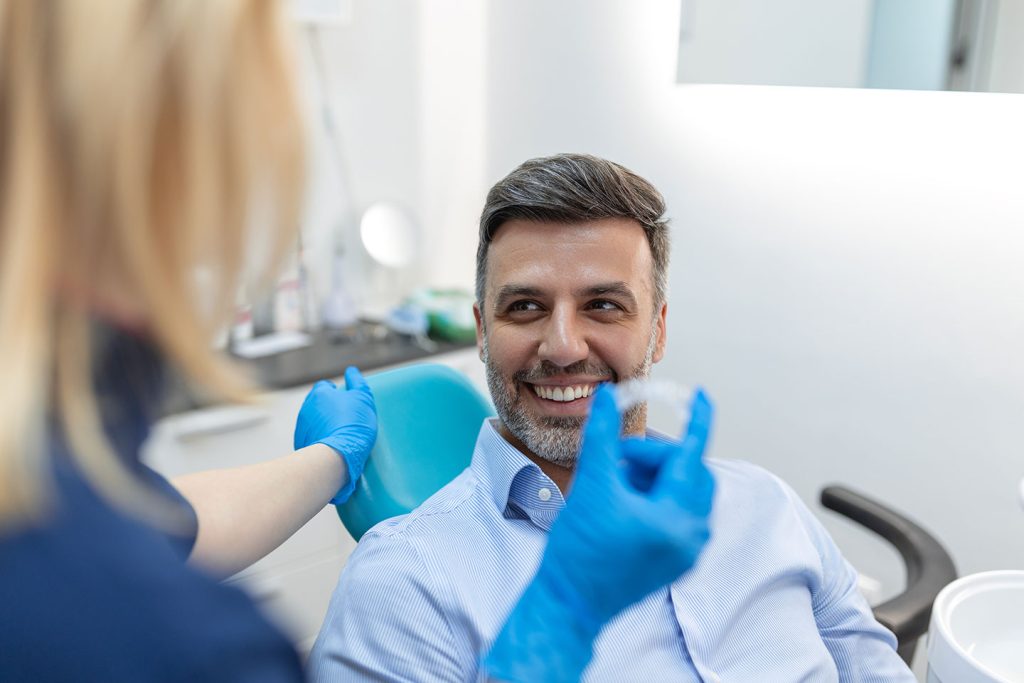 A lot of adults carry around a version of the same thought: they wish they had done something about their teeth when they were younger. Maybe orthodontics wasn't an option growing up. Maybe they had braces as a teenager and their teeth shifted over the years. Maybe they've just never quite loved their smile but assumed that fixing it was something people do in their teens, not in their thirties, forties, or beyond. That assumption is worth revisiting. Adult orthodontic treatment is more common than most people realize, and Invisalign has played a big part in that shift. If the idea of straightening your teeth has crossed your mind more than once, here's what's actually worth knowing. Adults Are Getting Orthodontic Treatment More Than Ever There's a reason this conversation comes up so often in our office. Roughly one in three orthodontic patients today is an adult, and that number has been climbing steadily. Part of that is awareness, and part of it is the availability of clear aligner options that fit more naturally into an adult life than traditional metal braces do. The desire for a straighter smile doesn't expire at eighteen. Neither does the ability to achieve one....
 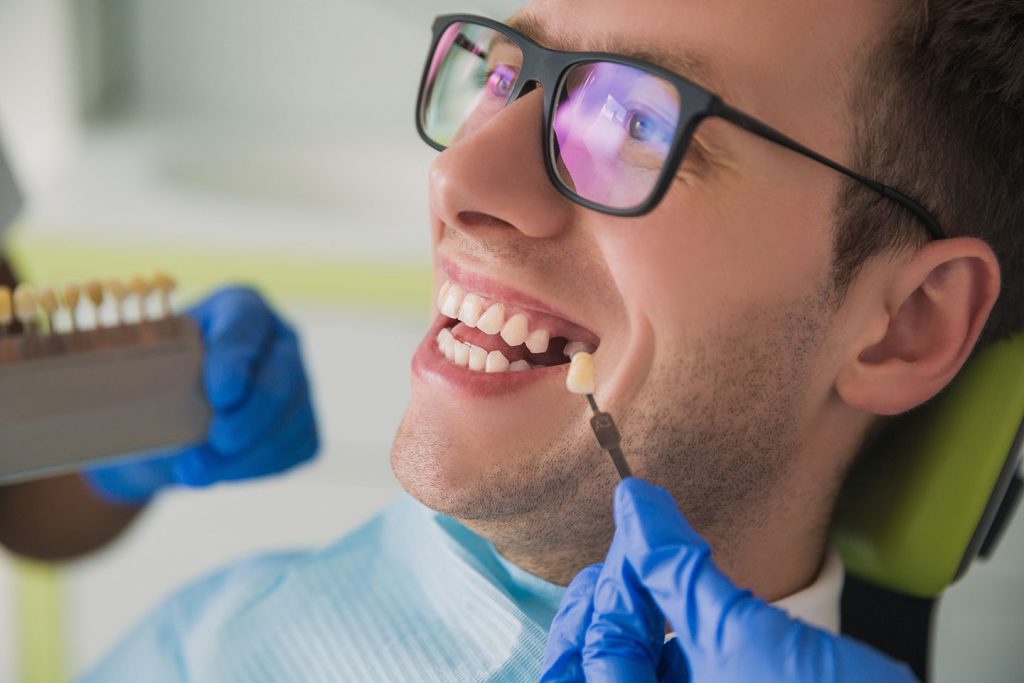 Dental Implants Explained: How They Work and Whether They Might Be Right for You If you've lost a tooth, or if you're facing the possibility of losing one, it's natural to have a lot of questions about what comes next. There are several ways to replace a missing tooth, and dental implants are one of the options we discuss with patients regularly. They've changed quite a bit about how dentistry can approach tooth loss, and for the right candidate, they can be a genuinely life-changing solution. That said, implants aren't the right fit for everyone, and the process isn't something to go into without a clear understanding of what's involved. Here's a straightforward look at how they work, who tends to be a good candidate, and what to expect if you decide to move forward. What a Dental Implant Actually Is A dental implant is a small titanium post that's surgically placed into the jawbone where a tooth is missing. Titanium is used because the body accepts it extremely well. Over the course of roughly four to six months, the bone actually grows around and fuses to the implant in a process called osseointegration. Once that healing is complete and...
 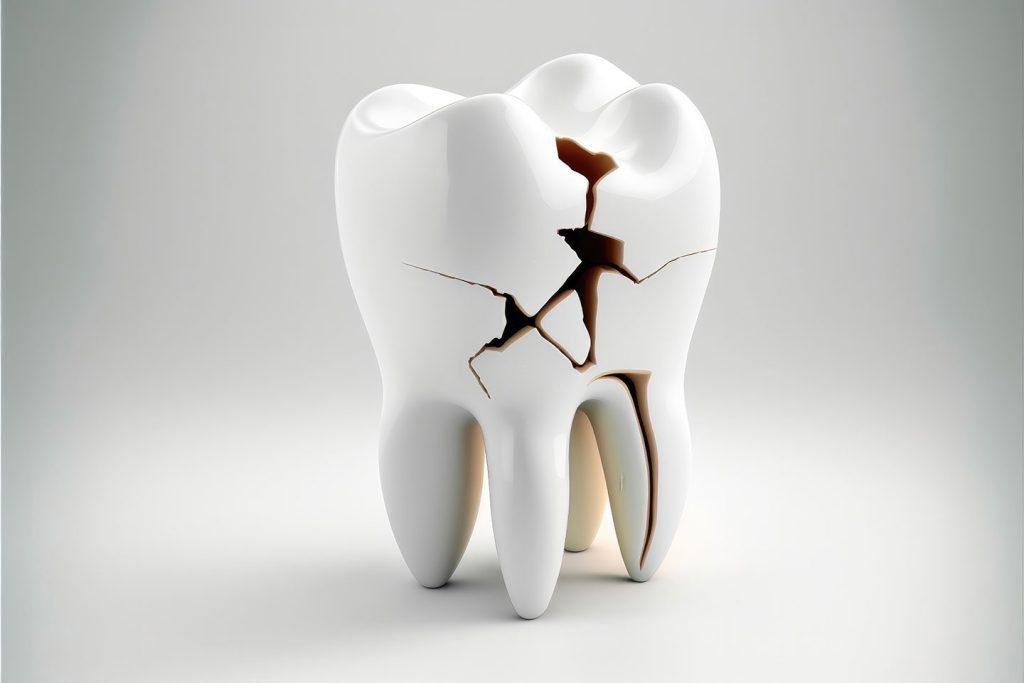 Cracked Teeth Are More Common Than You'd Think Most people picture a cracked tooth as something obvious. You bite down on something too hard, something breaks, and you know it immediately. Sometimes that is exactly what happens. But a lot of the time, a cracked tooth is something far quieter, something that doesn't announce itself clearly and can go unaddressed for months or even years while the problem gradually gets worse. Cracked teeth are one of the leading causes of tooth loss in adults, and they're becoming more common. Understanding what causes them, what to look for, and why it's worth acting on them early makes a real difference in what treatment ends up looking like. Why Cracks Happen There's no single cause, and more often than not, there are several factors working together. Teeth that have large fillings are more vulnerable because the filling material doesn't flex the way natural tooth structure does, which puts more stress on the surrounding tooth over time. Teeth grinding and clenching, which many people do during sleep without realizing it, generates forces far beyond what normal chewing produces, and that sustained pressure takes a toll on enamel over months and years. Habits matter...
 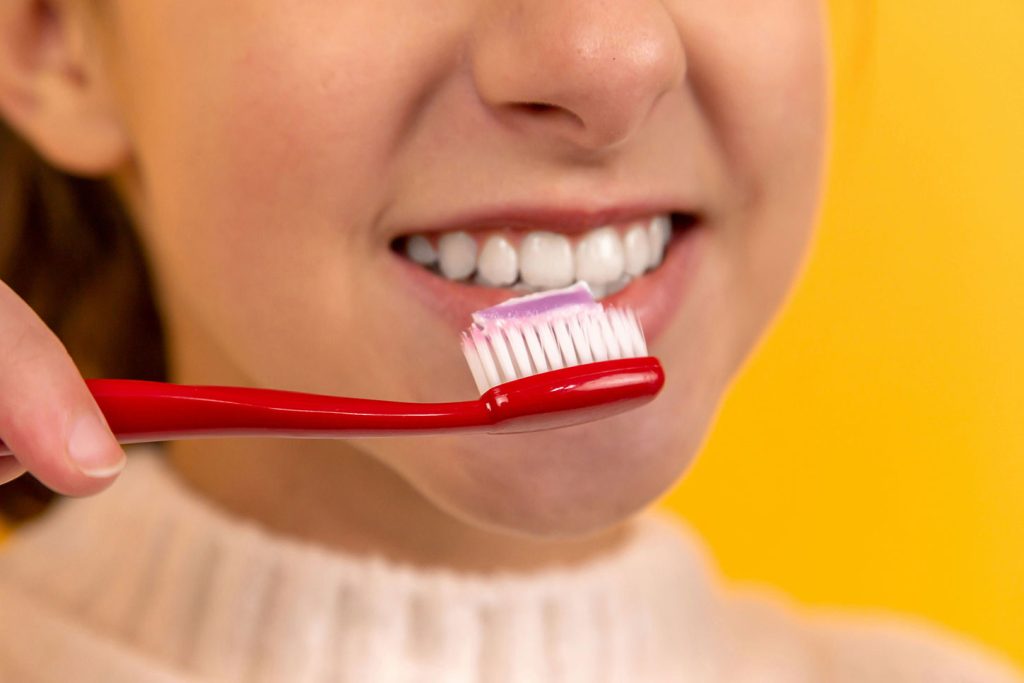 What Fluoride Actually Does for Your Teeth If you've ever had a fluoride treatment at the end of a cleaning and wondered whether it actually does anything, you're not alone. It can feel like a small, easy-to-overlook step, especially when you're already thinking about getting out the door. But fluoride is genuinely one of the more useful tools we have for keeping teeth healthy, and it's worth understanding what it's doing and why we recommend it. How Teeth Lose and Regain Minerals To understand fluoride, it helps to know a little bit about what's happening on the surface of your teeth throughout the day. Enamel, the outer layer of your teeth, is made up largely of minerals. Every time you eat or drink something, the bacteria in your mouth produce acids that pull minerals out of that enamel in a process called demineralization. Your saliva then works to restore those minerals in a process called remineralization. This back and forth is completely normal and happens constantly. The problems start when the balance tips too far in the wrong direction, when demineralization is happening faster than remineralization can keep up, and enamel starts to weaken. Fluoride helps restore that balance. It...
 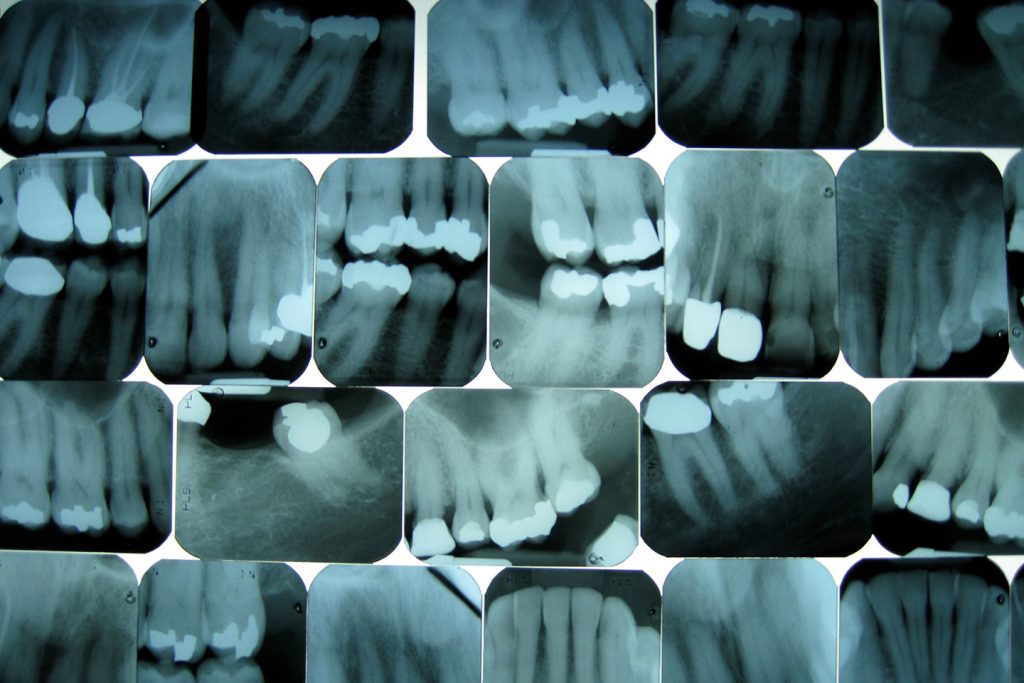 If you've ever sat in a dental chair with a small plastic sensor tucked against your cheek and wondered what exactly we're looking at when those images come up on the screen, this one's for you. X-rays are one of those things that feel routine because they are routine, but the information they give us is anything but ordinary. Here's a look at what dental X-rays actually show, why we take them when we do, and what we'd be missing without them. The Limits of What We Can See A visual exam is an important part of every dental appointment. We're trained to notice a lot with our eyes, and we take that part of the visit seriously. But there are real limits to what any amount of training and experience can reveal through direct observation alone. We can see the surfaces of your teeth that are exposed, the tissue of your gums, and the general landscape of your mouth. What we cannot see is what's happening between your teeth, beneath your gumline, inside the tooth structure itself, or in the bone below. And that is precisely where some of the most important things to catch early tend to develop...
  When most people think about sleep apnea, they think about a sleep study, a primary care doctor, maybe a pulmonologist. A dentist isn't usually the first thing that comes to mind. But it probably should be, and here's why. We see our patients twice a year. That kind of regular, consistent contact means we're often the first ones to notice the signs of sleep apnea, sometimes before the person sitting in our chair has any idea something is going on. What Sleep Apnea Actually Is Sleep apnea is a condition in which breathing repeatedly stops and starts during sleep. The most common type, obstructive sleep apnea, happens when the muscles in the throat relax too much during sleep and partially or fully block the airway. When that happens, the body briefly wakes itself up to restore normal breathing. This can occur dozens of times a night, and most people have no memory of it happening. That's part of what makes it so tricky. You can have a significant sleep disorder and feel like you slept through the night. What you notice instead are the downstream effects: feeling exhausted no matter how much sleep you get, waking up with headaches, difficulty...
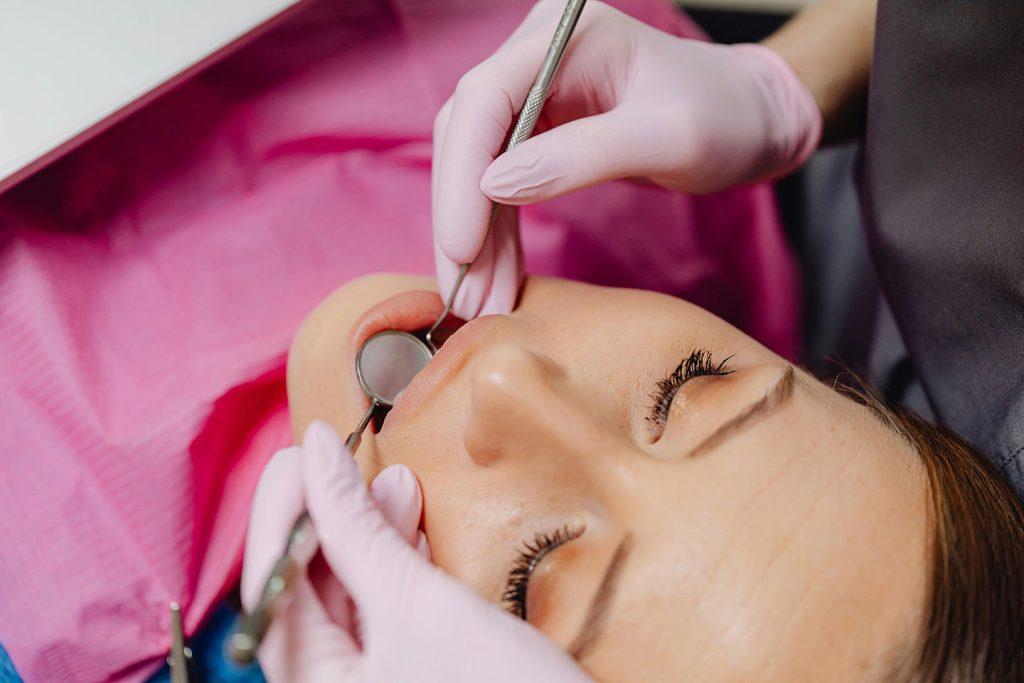
 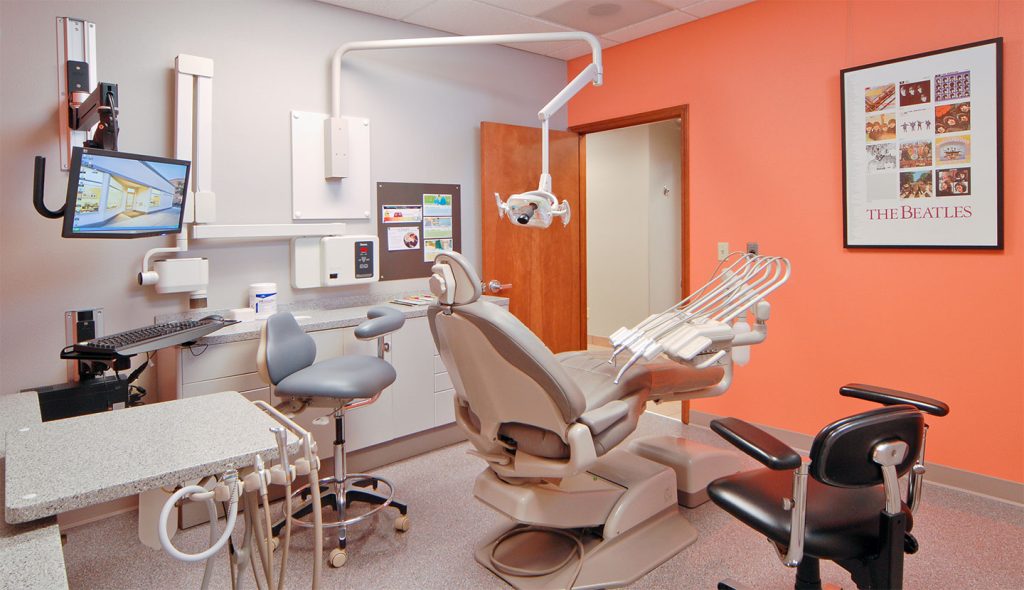 A lot of patients think of a dental appointment as a cleaning with a quick look at their teeth at the end. And honestly, we understand why. The cleaning is the part you can feel, that smooth, fresh sensation when you run your tongue over your teeth on the way out the door. But the exam that happens alongside your cleaning covers quite a bit more than most people realize, and understanding what we're actually looking for can help you get more out of every visit. Here's a closer look at what your dentist is doing during an exam, and why each piece of it matters. Your Teeth, Yes, But More Than That We're absolutely checking your teeth. We're looking for cavities, cracks, worn areas, and any changes since your last visit. But the exam extends well beyond your teeth themselves. We're looking at your gums, the bone that supports your teeth, how your bite comes together, how your jaw moves, and the soft tissues throughout your entire mouth. Each of those areas tells us something, and the information we gather from all of them together gives us a much more complete picture than any one piece could on its...
  Most of us know that stress takes a toll on the body. It shows up in tight shoulders, restless nights, headaches that seem to come out of nowhere. What a lot of people don't realize is that stress also has a pretty significant effect on your oral health, and not always in ways that are obvious. We see it in our patients regularly. Life gets busy or overwhelming, and the mouth is often one of the first places it shows up. The connection makes sense when you think about it. Stress is a full-body experience, and your mouth is not somehow separate from everything else that's happening. Grinding and Clenching One of the most common signs is grinding or clenching your teeth, usually during sleep. Many people have no idea they're doing it until a partner mentions the noise, or they start waking up with a sore jaw and a dull headache that's hard to explain. Stress is one of the primary triggers, and the tricky part is that it often happens when you're completely unaware. Over time, grinding puts real wear on your enamel. It can cause teeth to become sensitive, flatten the biting surfaces, and in some cases...
  A bad toothache doesn't care what time it is. It doesn't care that you have work tomorrow or that it's Sunday and nothing's open. It just hurts, and it wants your full attention. So you do what everyone does—you start Googling. And you find a lot of advice, most of it vague, some of it wrong, and a fair amount that can actually make things worse. Here's what actually helps, what's just buying you time, and when you need to stop managing it yourself and get to a dentist. Why tooth pain hits so hard Teeth aren't like muscles. When your back aches, you can stretch it out, take something, move on with your day. Tooth pain doesn't work like that. The nerves inside your teeth are incredibly sensitive, and when something irritates them—decay, a crack, infection, pressure—they let you know about it in a way that's hard to ignore. The pain doesn't really have a dimmer switch. Common culprits are cavities, cracked teeth, gum infections, exposed roots, or just inflammation around the tooth. Sometimes it's not even your teeth—sinus pressure can feel exactly like a toothache. The thing to remember is that toothaches almost never just go away on...
 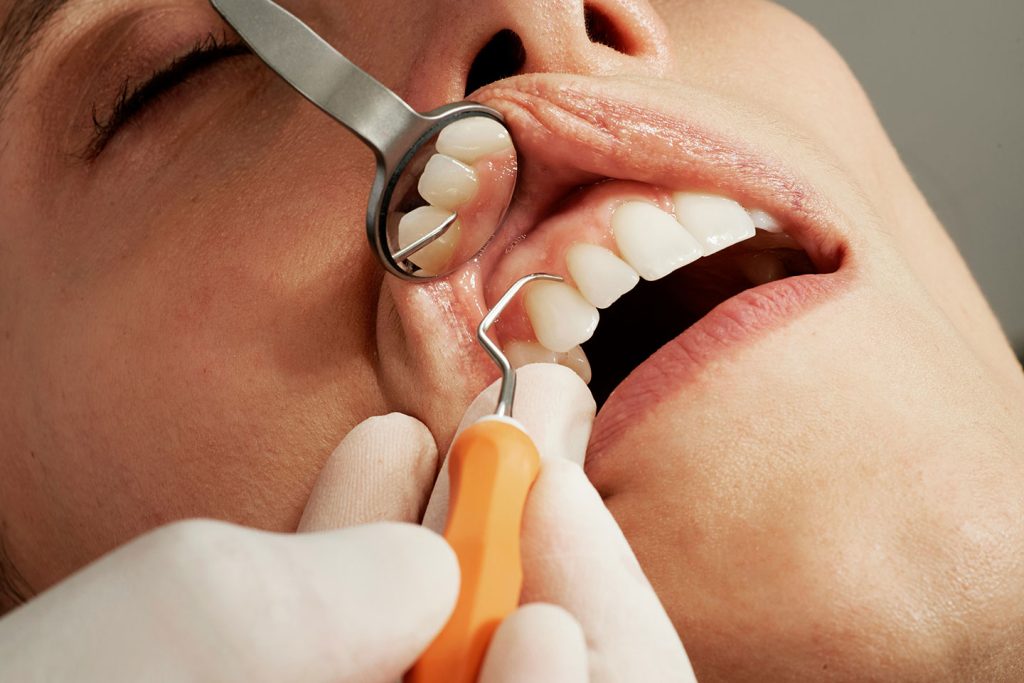 Most dental problems make themselves obvious. A cavity hurts. A cracked tooth gets your attention. Sensitivity lets you know something's wrong pretty quickly. But there's one issue that doesn't play by those rules. It often starts somewhere in your 30s, causes basically no pain, and then announces itself in your 50s—sometimes after the damage is already done. That's gum disease, and it's sneakier than most people realize. Why Nobody Notices It Early When you're younger, your body covers for you. Gums heal fast, inflammation calms down on its own, and minor problems don't leave much evidence behind. Early gum disease (the technical term is gingivitis) usually just looks like a little bleeding when you brush. Maybe some puffiness. Occasional bad breath. Nothing that hurts. And because it doesn't hurt, people ignore it. A lot of folks actually stop flossing when they see blood, figuring the flossing must be causing the problem. It's not. Bleeding gums are your mouth trying to tell you something. What's Actually Going On Gum disease isn't just about the pink tissue you can see. It starts when plaque and bacteria build up along the gumline and trigger inflammation. When that inflammation sticks around, things start to...