
Welcome to the Inland Family Dentistry dental blog. Walla Walla is home to our practice, and this is the space where we share friendly, helpful information about keeping your teeth and gums healthy. Whether you are curious about what happens during a routine cleaning, wondering how nutrition affects your smile, or looking for tips to help your kids feel comfortable at their next visit, you will find articles here written with real families in mind. We believe good dental care starts with good information, and we want this to be a resource you can trust.
New here? Learn more about our team and the services we offer, including general dentistry, hygiene, and pediatric dentistry. You can also explore trusted oral health resources from the American Dental Association.
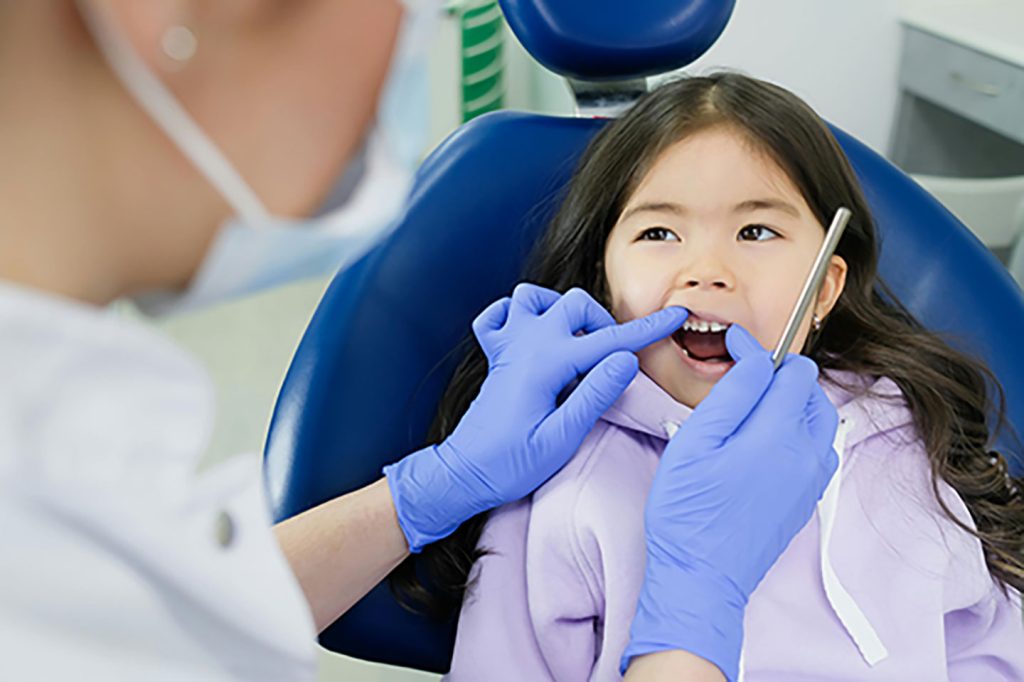 For many parents, that first trip to the dentist with their child is a milestone, one that’s often met with more tears than cheers. While some kids may bounce into the dental office with wide-eyed curiosity, others approach the experience with hesitation, anxiety, or even outright fear. Dental anxiety in children is more common than most people realize. In fact, it's a completely normal reaction, especially when you consider how unfamiliar a dental setting can be. Strange tools, masked adults, buzzing noises, and bright lights overhead, it’s a lot for a young mind to process. But if left unaddressed, that fear can turn into avoidance, which over time leads to real health consequences like cavities, gum disease, and missed opportunities for early intervention. So how do you transform fear into familiarity? How do you help your child not only tolerate the dentist, but maybe even look forward to it? Let’s talk about what causes this anxiety, what not to do, and how you can gently guide your child toward a healthier and more positive relationship with oral care. Understanding the Fear Fear of the dentist rarely comes out of nowhere. For many kids, it starts with a bad first experience,...
  You brush twice a day. You floss. Maybe you even rinse with mouthwash. So why does it still feel like something’s missing from your dental routine? Welcome to the paradox of modern oral care in 2025. Despite access to more tools, trends, and technologies than ever before, many patients are still struggling with unexpected issues: bleeding gums, enamel sensitivity, dry mouth, and that vague, persistent worry that they're not really doing enough. If that sounds like you, you’re not alone. We’ve seen an uptick in what we call "oral hygiene burnout", the feeling that despite following the rules, your mouth isn’t as healthy as it should be. Let’s unpack what’s going on, and more importantly, what might be missing from your well-meaning routine. First, Let's Talk About Burnout Yes, even in dentistry, burnout is real. It’s a subtle kind of exhaustion, not emotional, but practical. You’re doing the routine, but it’s become mechanical. You rush through brushing. You skip flossing on tired nights. You use mouthwash as a shortcut. Over time, these shortcuts snowball, and what started as a great routine becomes just...routine. The truth is, your teeth know when you’re on autopilot. If your brushing lasts 30 seconds instead...
  When we talk about a child’s health, the conversation often centers around nutrition, sleep, physical activity, and emotional well-being. Parents routinely track milestones like first words, growth spurts, and school readiness. But one area that often doesn’t get the attention it deserves is oral health. It’s easy to see why. Baby teeth fall out, cavities seem like a minor inconvenience, and many assume dental visits can wait until something “feels wrong.” Yet, what happens in a child’s mouth doesn’t stay there. Oral health is not a side note—it’s deeply connected to a child’s physical, emotional, and social development. So, let’s talk about why dental care should never be left out of the health conversation. The Mouth Is the Gateway to the Body We often forget that the mouth is part of the body’s internal system. It’s where digestion begins. It’s how we communicate. It’s also one of the first places signs of illness can appear. Poor oral health has been linked to systemic conditions like heart disease, diabetes, and respiratory issues—not just in adults, but in children too. When plaque builds up and gums become inflamed, harmful bacteria can enter the bloodstream, potentially impacting other parts of the body. Cavities,...
 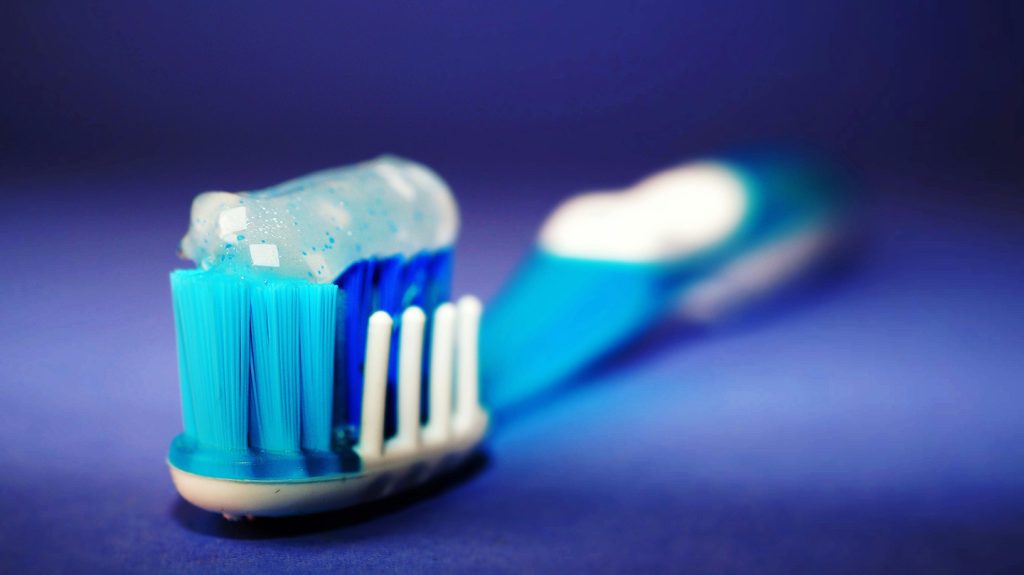 Brushing your teeth is a habit you likely learned as a child, but that doesn't mean you're doing it correctly. Many people unknowingly make brushing mistakes that can contribute to cavities, gum disease, and enamel erosion. Simply brushing twice a day isn't enough—using the right techniques, tools, and habits is crucial for maintaining good oral health. In this article, we'll explore common brushing mistakes and how to fix them. Using the Wrong Toothbrush Not all toothbrushes are created equal, yet many people don't think twice about the type they use. A common mistake is choosing a toothbrush with hard bristles, assuming that firmer bristles clean teeth more effectively. However, hard bristles can wear down enamel and irritate the gums, leading to long-term damage. Similarly, using a toothbrush with an oversized head can make it difficult to reach the back molars, leaving plaque and bacteria behind. The ideal toothbrush should have soft bristles and a small to medium-sized head to ensure it reaches all areas of the mouth. Many dentists recommend electric toothbrushes, as they remove plaque more efficiently than manual ones. If you find yourself brushing too aggressively, an electric toothbrush with a pressure sensor can help by alerting you...
 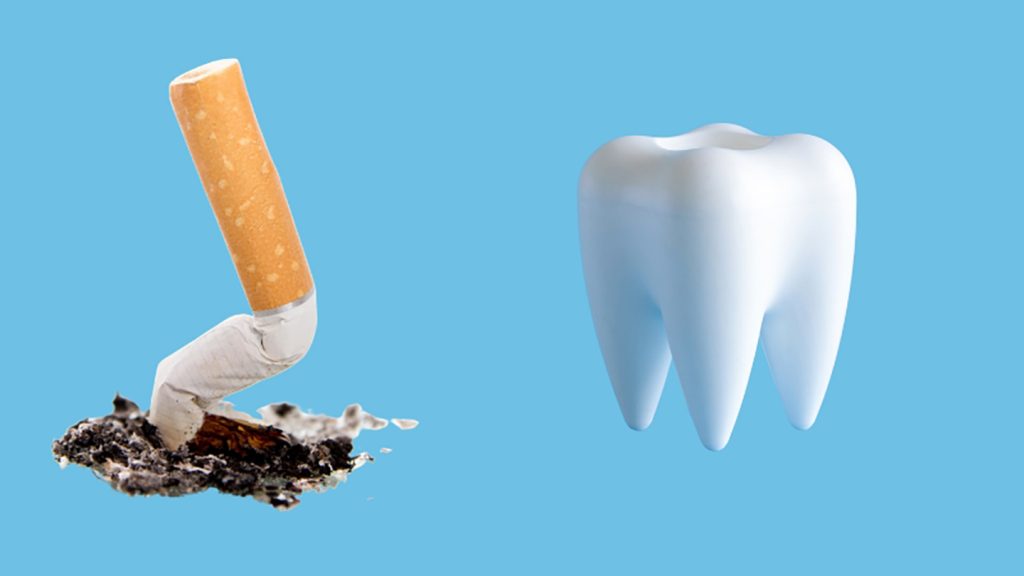 Smoking is widely known for its harmful effects on overall health, but its impact on oral health is equally alarming. From tooth discoloration to severe gum disease and oral cancer, smoking can have devastating consequences on your dental health. This article explores the various ways smoking affects your teeth and gums and offers guidance on maintaining oral health despite these risks. 1. Tooth Discoloration One of the earliest and most noticeable effects of smoking is tooth discoloration. Nicotine and tar from cigarettes stain teeth, turning them yellow or brown over time. These stains are difficult to remove with regular brushing and often require professional whitening treatments. As smoking continues, these stains penetrate deep into the enamel, making them increasingly resistant to at-home treatments. Heavy smokers frequently develop stubborn brown stains that can only be addressed with professional dental cleaning procedures such as ultrasonic scaling and bleaching. 2. Bad Breath (Halitosis) Smoking contributes to chronic bad breath through multiple mechanisms. The smoke itself leaves a lingering odor, while reduced saliva production leads to dry mouth, creating an environment where odor-causing bacteria thrive. These bacteria produce foul-smelling compounds that worsen halitosis. Additionally, smoking can lead to a coating on the tongue that...
  When you see blood after brushing or flossing, it's a red flag. It's your body's way of saying something isn't right with your oral health. While occasional bleeding might seem insignificant, it often signals underlying issues demanding attention. Understanding the causes and knowing how to respond can prevent more serious complications down the road. Ignoring bleeding gums can lead to discomfort, pain, and even tooth loss. So, let's explore the common culprits and what you can do about them. Gum Disease The most common reason for bleeding gums is the accumulation of plaque along the gumline. This sticky film of bacteria, if left unaddressed, can progress into gingivitis, a gum disease characterized by swollen, tender gums that bleed even with gentle brushing and flossing. Think of it as the gums becoming inflamed and irritated due to the presence of bacteria. If gingivitis isn't treated, it can advance to periodontitis, a much more serious condition that can damage the supporting structures of your teeth, eventually leading to tooth loss. This is because the inflammation spreads deeper, affecting the bone and tissues that hold your teeth in place. Preventing and managing gum disease requires a two-pronged approach. First, professional cleaning is essential....
 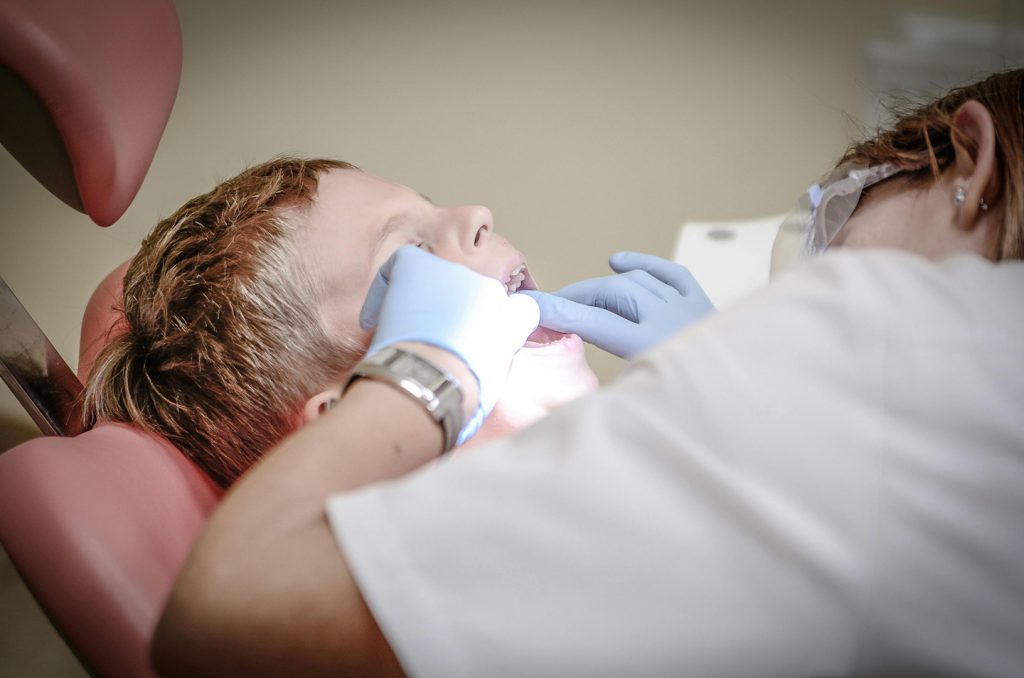 Tooth pain is one of those things that can turn a good day upside down. Whether it's a sharp, stabbing sensation or a dull, lingering ache, it can make eating, sleeping, and even focusing on simple tasks feel like a struggle. The good news? Most tooth pain has an identifiable cause—and even better, it's often preventable with the right care. Let’s break down some of the most common culprits behind tooth pain and what can be done to stop it. Tooth Decay (Cavities) One of the most common reasons for tooth pain, especially in children, is tooth decay. This occurs when bacteria in the mouth produce acids that wear down the enamel—the protective outer layer of teeth. This wearing down of the enamel is a gradual process. As the enamel erodes, it leads to cavities, which are essentially holes in the tooth. These cavities expose the sensitive inner layers of the tooth, specifically the dentin, which contains tiny tubules that connect directly to the nerve. When these tubules are exposed, stimuli like hot, cold, or sweet foods and drinks can easily reach the nerve, triggering pain. This is why sensitivity to these stimuli is a key sign of tooth decay....
 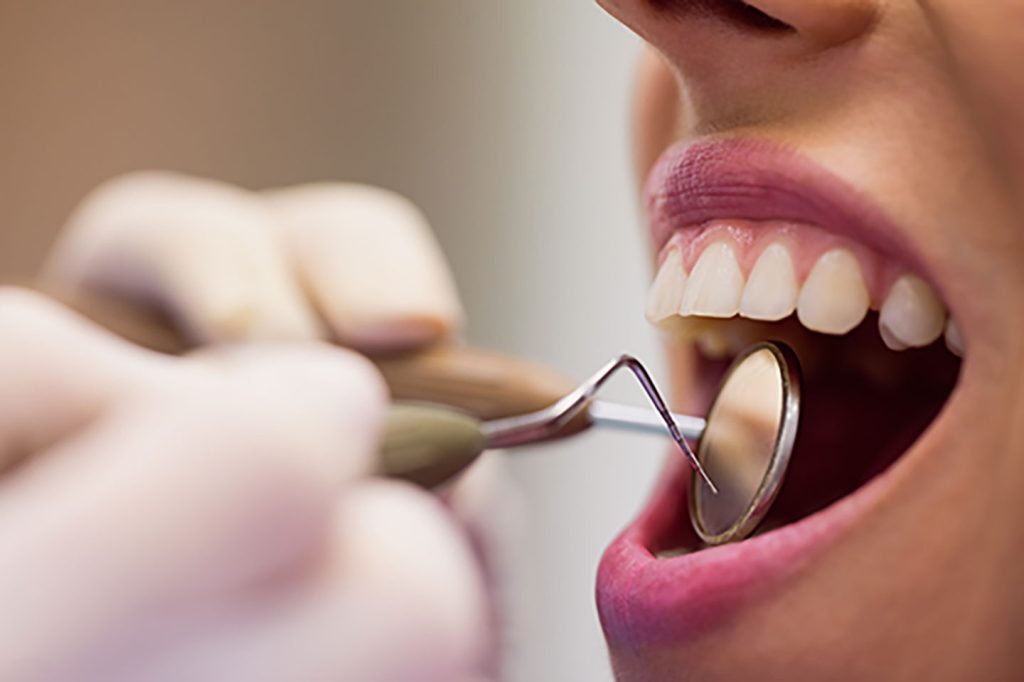 If you've ever browsed the dental care aisle, you know there's no shortage of whitening products promising a brighter smile. However, nature offers its own solution through everyday foods that can help maintain and even enhance your teeth's natural whiteness. Understanding which foods can help – and which ones to avoid – can make a significant difference in maintaining that coveted bright smile, all while supporting your overall oral health. The Science Behind Natural Teeth Whitening Before diving into specific foods, it's important to understand how natural whitening works. Unlike chemical whiteners that penetrate the enamel, foods work primarily through mechanical cleaning, gentle acid content, or enzyme action. Some foods act like natural toothbrushes, scrubbing away surface stains as you chew, while others contain compounds that help break down stains or strengthen enamel, maintaining your teeth's natural white appearance. Natural Whitening Warriors Certain foods are particularly effective at maintaining and enhancing your teeth's natural whiteness. Crunchy fruits and vegetables lead the pack, acting as nature's toothbrushes. Apples, for instance, contain malic acid, which naturally helps dissolve surface stains while their crisp texture gently scrubs your teeth. Carrots and celery work similarly, with the added benefit of stimulating saliva production, your...
 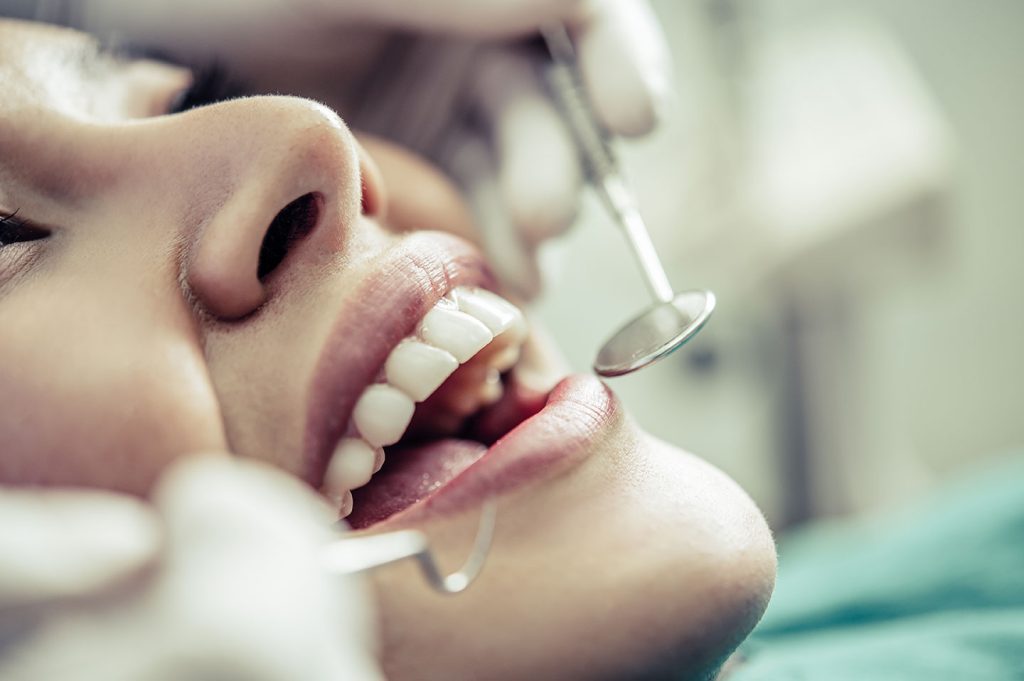 When it comes to dental care, myths and misconceptions abound. From home remedies to outright tall tales, it’s easy to get caught up in misinformation that could actually harm your oral health. To keep your smile safe and sparkling, let’s debunk some of the most common dental myths and set the record straight. Myth #1: Whitening Toothpaste Can Replace Professional Whitening The promise of a dazzling smile from a tube of whitening toothpaste might sound appealing, but the reality is different. Whitening toothpastes can remove surface stains caused by coffee or tea, but they don’t change the natural color of your teeth. Overuse can even damage your enamel, leading to increased sensitivity. For a truly brighter smile, professional whitening treatments from your dentist are safer and more effective. These treatments use advanced techniques to lighten the shade of your teeth while protecting their health. Myth #2: Sugar Causes Cavities It’s not sugar itself that causes cavities but the chain reaction it starts. When you eat sugary foods or drinks, bacteria in your mouth feed on the sugar, producing acids as a byproduct. These acids attack the enamel, creating the conditions for cavities to form. Reducing your sugar intake is essential,...
  When you think about health, your teeth and gums might not be the first things that come to mind. However, your oral health is more closely connected to your overall well-being than you might realize. From heart disease to diabetes, the health of your mouth can influence the health of your entire body. Taking care of your teeth and gums isn’t just about a bright smile—it’s about protecting your overall health. The Mouth-Body Connection Your mouth is often called the gateway to your body, and for good reason. It’s home to countless bacteria, some beneficial and others potentially harmful. In a healthy mouth, proper oral hygiene keeps harmful bacteria in check. However, neglecting oral care allows bacteria to multiply, leading to infections like gum disease. These bacteria and the inflammation they cause can spread beyond your mouth, contributing to serious health conditions. Research has uncovered strong links between oral health and several systemic diseases, making it clear that your dental care routine has far-reaching effects. How Oral Health Impacts Overall Health One of the most well-documented connections is the link between gum disease (periodontitis) and cardiovascular health. Chronic inflammation from gum disease is believed to contribute to the hardening of...