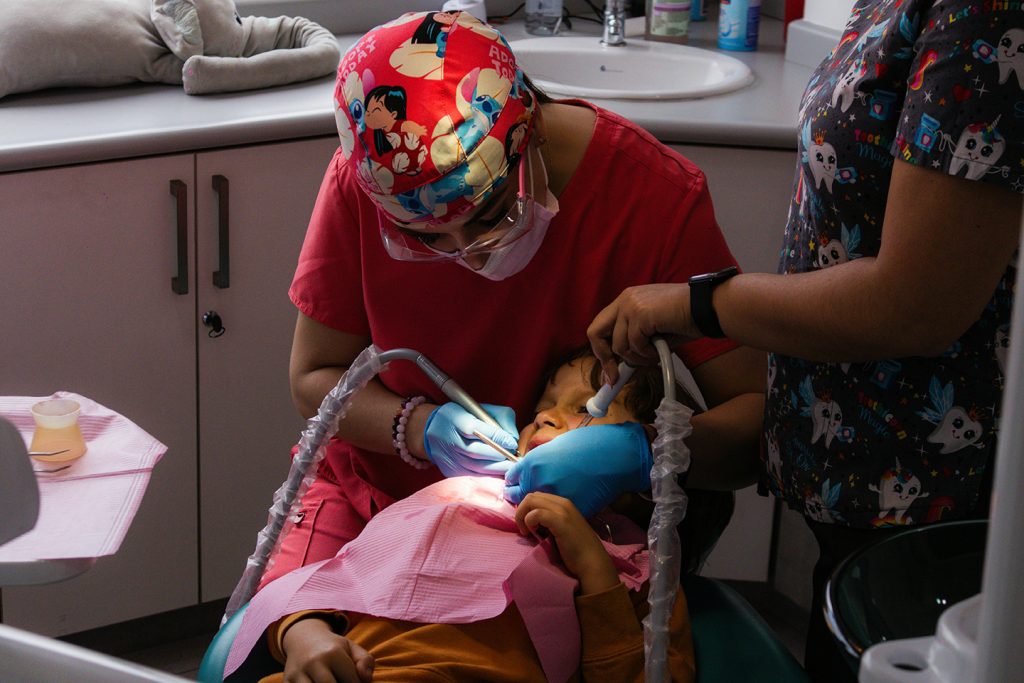
Every parent has been there. Your kid mentions their tooth hurts, or you spot something weird while they’re brushing, and suddenly you’re wondering if you need to call the dentist right now or if you’re overreacting.
Here’s the thing: some stuff that looks alarming is just normal kid mouth stuff. Teeth fall out. Gums get irritated. Kids eat ice cream too fast and complain about sensitivity. That’s childhood.
But other things genuinely do need a professional to take a look. The trick is knowing which is which.
So let’s break it down.
When You Should Actually Make an Appointment
Tooth or jaw pain that won’t quit
Kids complain about random stuff all the time. A one-off “my tooth feels weird” after chomping down on a hard pretzel? Probably nothing.
But if they keep mentioning it over a couple days, or they’re avoiding chewing on one side, or they wince when they bite down—that’s different. Pain that sticks around usually means something’s going on underneath, whether that’s a cavity, an infection, or a tooth coming in wrong.
Kids also tend to downplay pain, so if they’re actually telling you about it repeatedly, pay attention.
Gums that are red, puffy, or bleeding
Healthy gums are pink and boring. If you’re seeing blood when they brush, or their gums look swollen or angry, something’s irritating them.
Could be they’re not brushing well in certain spots. Could be food trapped under the gumline. Could be the early stages of a gum infection. Sometimes it’s just a new tooth pushing through and causing temporary inflammation.
It’s not always an emergency, but it’s worth having someone look. Gum problems that get ignored tend to get worse, not better.
A tooth that’s chipped, cracked, or broken
Kids crash into things. It happens. But if a tooth gets damaged, don’t take the “wait and see” approach.
Even a small chip can let bacteria in, irritate the nerve, or cause sensitivity that gets worse over time. What looks like no big deal on Monday can turn into a real problem by Friday.
Quick treatment often means saving the tooth. Waiting often means more complicated fixes later.
Bad breath that doesn’t go away
Morning breath is normal. Garlic bread breath is normal. But if your kid has consistently bad breath even when they’re brushing regularly, something else is going on.
It might be a cavity hiding somewhere. It might be gum issues. Sometimes it’s a mouth-breathing habit or even tonsil problems. Could also just be that they’re not reaching certain spots when they brush.
A dentist can figure out whether the cause is dental or whether you need to loop in your pediatrician.
Spots or color changes on teeth
White spots, brown patches, chalky-looking areas, anything that looks different from the rest of the tooth—these can be early signs of decay or enamel problems.
Parents often assume discoloration means their kid isn’t brushing well enough, but that’s not always the case. Genetics, diet, certain illnesses, even some medications can affect how enamel develops.
The earlier you catch this stuff, the easier it is to deal with. Waiting until it becomes visible damage means more involved treatment.
When You Can Probably Relax
A loose baby tooth
A wiggly tooth usually just means your kid is growing up. As long as there’s no major pain, no swelling, and no bleeding, let nature do its thing.
The tooth will come out when it’s ready. Kids love wiggling them anyway.
Now, if it’s been hanging on by a thread for months and causing problems, or if there’s significant pain involved, then yeah, check in with a dentist. But normal looseness? That’s just the process working correctly.
Mild cold sensitivity
Kid takes a bite of ice cream and makes a face? Pretty normal, especially with newer teeth or baby teeth (which have thinner enamel).
If the sensitivity is mild, happens occasionally, and goes away quickly, it’s usually not a concern. Keep up with regular brushing, maybe ease up on the frozen treats for a few days, and see if it settles down.
If it’s getting worse or it’s affecting their eating, then it’s worth a visit. But occasional mild sensitivity is just part of having teeth.
Sore gums after you’ve changed their brushing routine
If you just started having your kid floss, or you’ve been pushing them to brush more thoroughly, some gum tenderness in the first week or so is normal. The gums aren’t used to it yet.
This usually sorts itself out within a few days as the gums toughen up and there’s less plaque irritating them.
If the soreness and redness stick around past that adjustment period, then get it checked. But initial tenderness from a new routine? Expected.
Why This Matters
Most parents fall into one of two camps: call the dentist about everything, or assume everything will work itself out.
Neither is wrong, exactly. Both come from wanting to do right by your kid.
But knowing which signs actually warrant concern helps you make better calls. It also keeps small problems from becoming big ones.
Think about cavities. Catch one early and it’s a quick, easy fix. Let it go and you’re looking at pain, potential infection, and more serious treatment. Same tooth, very different outcomes depending on when you deal with it.
Regular Check-Ups Still Matter
This list can help you triage the stuff that pops up between appointments, but it’s not a replacement for routine visits.
Dentists catch things parents can’t see. They spot early changes before they become obvious problems. And regular visits help kids get comfortable with dental care so it’s not scary when they do need work done.
Most kids should go every six months, starting around age one or when that first tooth shows up.
Trust Your Gut
You know your kid. If something seems off, even if it’s not on the “definitely call” list above, it’s always fine to ask.
This isn’t meant to make you second-guess yourself. It’s just meant to give you some clarity when you’re staring at your kid’s mouth at 8pm wondering what to do.
Pain, visible damage, gum changes, anything persistent—get it looked at. Everything else, you can probably take a breath and monitor.
Your kid’s teeth are worth taking care of. And so is your peace of mind.
*If your child is showing any of the concerning signs above, go ahead and schedule a visit. We’ll take a look, give you a straight answer, and make the whole thing as easy as possible.*