Most people have been there at least once—you get to the hotel, unzip your bag, and realize you forgot your toothbrush. Or the toothpaste. Or you remembered both but they’re buried somewhere in checked luggage that won’t arrive until tomorrow. It’s not the end of the world, but it’s annoying, and hotel gift shop toothbrushes are never great.
The fix is simple: keep a dedicated travel kit packed and ready to go. Not just a toothbrush thrown in a plastic bag, but an actual kit with everything you need. It takes maybe ten minutes to put together, and once you have it, you don’t have to think about it again.
Here’s how to do it right.
Start With a Toothbrush That Makes Sense for Travel
Your everyday toothbrush might work fine at home, but it’s not always the best choice for a suitcase. Full-size brushes take up more room than necessary, and if you’re tossing one into a toiletry bag without a cover, the bristles are going to pick up whatever else is in there.
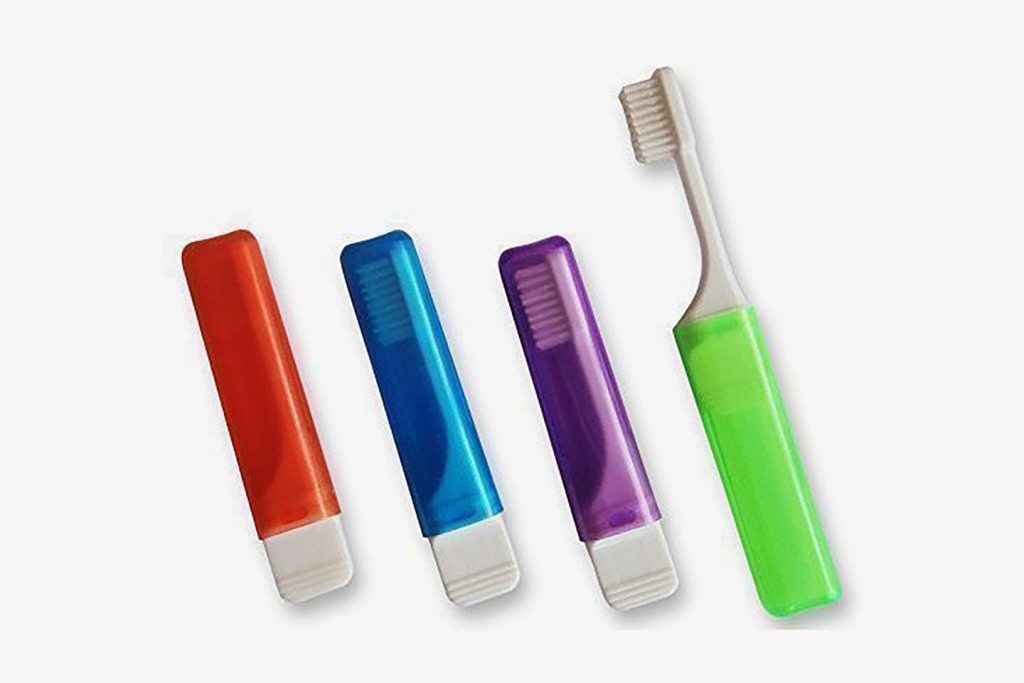
A few better options exist. Folding toothbrushes are compact and protect the bristles when closed—they’re cheap and easy to find at most drugstores. Compact travel brushes with snap-on covers work well too. The cover keeps the bristles clean while still allowing airflow so the brush can dry out between uses. That airflow part matters. A toothbrush sealed in a completely airtight container while still wet is basically a breeding ground for bacteria.
If you use an electric toothbrush at home and don’t want to give that up while traveling, many brands sell travel cases designed for their models. Some even have built-in charging. It’s more to pack, but if you prefer electric brushing, it’s worth the extra space. Just make sure the travel case ventilates properly.
Whatever you choose, the key is having a toothbrush that stays clean and doesn’t take up half your toiletry bag.
Toothpaste: Smaller Is Better
Full-size toothpaste tubes are bulky, and if you’re flying, they won’t make it through security anyway. Travel-size toothpaste—usually around 3.4 ounces or less—is the way to go.
You can buy these at pretty much any grocery store or pharmacy, often near the travel section or checkout lanes. Most major toothpaste brands offer travel sizes, so you can stick with whatever you normally use. If you have specific needs like sensitivity or a prescription toothpaste, check whether a travel size is available or ask your dentist about alternatives for short trips.
One thing worth doing: check the expiration date on travel toothpaste before you buy it. Because these smaller tubes sit on shelves longer, they sometimes get close to expiring. It’s not a huge deal, but toothpaste does lose effectiveness over time, so fresher is better.
Keep a backup tube in your kit. There’s nothing worse than squeezing an empty tube the morning of an early flight.
Floss Belongs in Your Kit Too
Flossing tends to be the first thing people skip when they’re traveling. The routine gets disrupted, you’re tired, the hotel bathroom is unfamiliar—it’s easy to just brush and call it good. But plaque doesn’t take vacation days, and skipping floss for a week can leave you with irritated gums or worse.
The trick is making floss as easy to use as possible while you’re away from home. Floss picks are great for travel because they’re simple, portable, and don’t require any technique. You can toss a handful in a small ziplock bag and throw it in your kit. They’re also easier to use in awkward situations—like a tiny airplane bathroom or a campsite with no mirror.
If you prefer traditional string floss, small travel-size containers exist and don’t take up much room. Some people find they floss more consistently with the string version because that’s what they’re used to at home. Either way, bring something.
For anyone who uses interdental brushes—those small brushes designed to fit between teeth—pack those too. They’re especially useful for people with wider gaps, bridges, or other dental work where regular floss doesn’t quite do the job.
Mouthwash: Optional but Useful
Mouthwash isn’t strictly necessary for good oral hygiene, but it’s nice to have while traveling. It freshens breath, reaches areas that brushing and flossing might miss, and gives you something to use after meals when brushing isn’t practical.
Travel-size mouthwash bottles are widely available and fit easily in a toiletry bag. If you’re flying, just make sure the bottle meets TSA liquid requirements. Alcohol-free versions are worth considering if you find that regular mouthwash dries out your mouth or causes irritation.
Some people skip the liquid entirely and use mouthwash tablets instead. These are dry tablets you chew and then swish with water. They’re lighter than bottles, don’t count toward liquid limits, and work reasonably well. They’re not quite the same as liquid mouthwash, but for travel purposes, they get the job done.
A Few Extras Worth Considering
Beyond the basics, a few additional items can make your travel kit more useful depending on how and where you travel.
Sugar-free gum or mints are handy for freshening breath between brushings, especially after meals on the go. Chewing gum also stimulates saliva production, which helps neutralize acids and wash away food particles. Keep a small pack in your kit or your carry-on for easy access.
If you’re going on a longer trip—a week or more—a toothbrush sanitizer might be worth packing. These are small devices, often UV-based, that kill bacteria on your toothbrush bristles. Are they strictly necessary? Probably not for most people. But if you’re traveling somewhere with questionable water quality or sharing a bathroom with a lot of other people, the peace of mind might be worth it.
A small mirror can also come in handy, especially if you’re camping, staying in hostels, or otherwise dealing with bathroom situations that aren’t ideal. Sometimes you just want to check that you didn’t miss anything obvious.
Lip balm with SPF is another item that often ends up in oral care kits. It’s not directly related to teeth, but your lips are part of your mouth, and keeping them from getting chapped or sunburned is part of the overall picture.
Keeping Everything Organized
Throwing all this stuff loose into your suitcase is asking for trouble. Toothpaste caps come off, floss picks scatter everywhere, and you end up digging through clothes to find your toothbrush at 11 pm.
A small zippered pouch or toiletry bag keeps everything contained. It doesn’t need to be fancy—a basic bag from a drugstore or dollar store works fine. Some people like bags with multiple compartments to separate wet items from dry ones, but a single-compartment bag works for most travel kits.
The key is keeping the kit packed and ready to go between trips. When you get home, restock anything you used, let wet items dry out, then zip it up and put it back wherever you store luggage. That way, next time you’re packing for a trip, the kit is ready and you don’t have to think about it.
If multiple family members are traveling together, consider giving everyone their own kit in a different color or with their name on it. This prevents the inevitable “that’s my toothbrush” argument and makes sure nobody’s left without their stuff.
Traveling With Kids
Kids need their own travel kits, and putting some thought into what goes in them can make the whole trip smoother.
Start with a toothbrush they’ll actually want to use. Character-themed brushes or ones in their favorite color work well. The goal is to make brushing feel normal and maybe even a little bit special while you’re away from home. Same goes for toothpaste—if your child hates mint, pack a flavor they like. Bubblegum and fruit flavors are popular with younger kids.
Floss picks designed for kids have smaller heads and are easier for little hands to manage. These are worth packing even if flossing is still a work in progress at home. Travel can actually be a decent time to reinforce habits because routines are already disrupted and kids are often more open to doing things differently.
For longer trips, bringing a simple brushing chart with stickers can help maintain consistency. Kids like tracking progress, and a visual reminder to brush morning and night keeps the habit front of mind even when everything else about the day is different from normal.
Think About When You’ll Need Access
Where you pack your kit matters almost as much as what’s in it.
If you’re flying, keep your oral care kit in your carry-on bag. Flights get delayed, checked bags get lost, and you don’t want to be stuck overnight somewhere with no way to brush your teeth. Having everything in your carry-on means you’re covered no matter what happens with the rest of your luggage.
For road trips, keep the kit somewhere accessible rather than buried in the trunk. You might want to brush your teeth at a rest stop or after grabbing food on the way. Having to unpack everything to find your toothbrush makes it less likely you’ll bother.
Once you arrive at your destination, pick a spot in the bathroom for your kit and leave it there. Spreading items across the counter or leaving them in your bag makes it easy to forget something when you repack or skip brushing because you can’t find what you need.
Maintain Your Kit Between Trips
A travel kit only works if it’s ready when you need it. After each trip, take a few minutes to go through everything.
Replace the toothbrush if it’s been a few months or if the bristles are starting to fray. Restock toothpaste, floss, and mouthwash if you’re running low. Check expiration dates on anything that’s been sitting in the kit for a while.
Let everything dry completely before zipping the bag closed. Packing up a wet toothbrush and sealing it in a bag for weeks until your next trip isn’t great for hygiene.
If you travel frequently, it might be worth keeping your kit stocked with extras—a spare toothbrush, an extra tube of toothpaste—so you’re never caught short.
The Bottom Line
A good travel oral care kit isn’t complicated. Toothbrush, toothpaste, floss, maybe some mouthwash—that covers the essentials. Add a few extras based on how you travel and you’re set.
The real trick is keeping the kit packed and ready so you don’t have to think about it every time you leave town. Ten minutes of setup now saves you from standing in a hotel gift shop at midnight wondering which overpriced toothbrush looks least terrible.
Your teeth don’t care whether you’re home or on vacation. Take care of them either way.