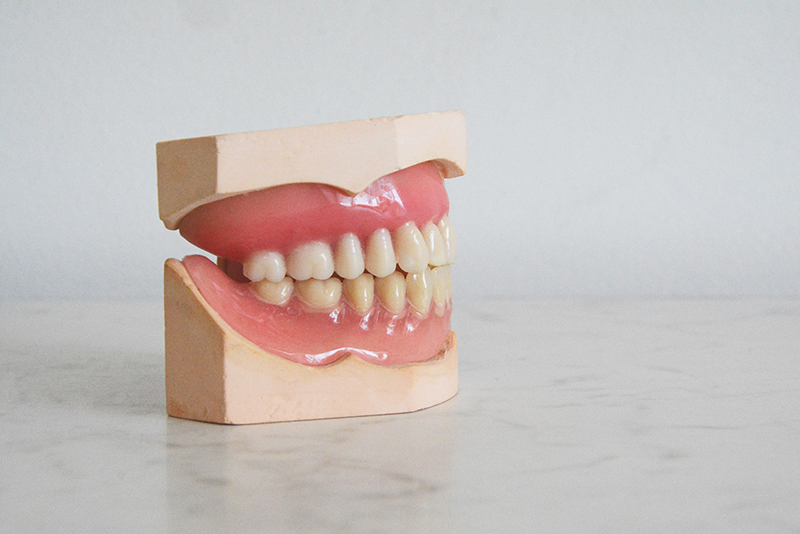
You might not even realize it, but your teeth could be working overtime while you sleep.
Teeth grinding, also known as bruxism, is a common condition that affects millions of people worldwide. Often occurring at night, this unconscious habit can have serious consequences for your oral health and overall well-being.
Understanding the causes of bruxism and how to address it is the first step in protecting your smile.
What Is Bruxism?
Bruxism refers to the involuntary clenching or grinding of teeth. While it typically happens during sleep, it can also occur during the day, often as a response to stress or deep concentration. Occasional grinding may seem harmless, but chronic bruxism can lead to significant damage to your teeth, gums, and jaw over time.
Why Does Teeth Grinding Happen?
The exact causes of bruxism aren’t always clear, but a combination of factors often plays a role. Stress and anxiety are common triggers, as heightened emotional tension can cause the jaw muscles to tighten, leading to grinding. Sleep disorders, such as sleep apnea, are also closely linked to bruxism. The disruption in normal sleep patterns often exacerbates grinding behaviors.
Additionally, misaligned teeth can create uneven pressure on your jaw, making grinding more likely. Certain lifestyle habits, like consuming excessive caffeine or alcohol, can increase the likelihood of grinding as well. Even some medications, particularly those that affect the nervous system, may contribute to the condition.
How Can You Tell If You’re Grinding Your Teeth?
One of the challenges of bruxism is that it often goes unnoticed because it occurs during sleep. However, there are several warning signs to watch for. If your teeth feel worn down or chipped, it could indicate grinding. You may also experience heightened tooth sensitivity, jaw pain, or tightness, especially in the morning. Frequent headaches or earaches upon waking are other common symptoms.
Some people notice difficulty in opening or closing their mouths fully or hear clicking and popping sounds in the jaw. If you experience any of these symptoms, it’s important to consult your dentist for a proper diagnosis. Early intervention is key to preventing further damage.
The Impact of Bruxism on Oral Health
While occasional grinding might seem insignificant, chronic bruxism can lead to serious problems. The constant friction can wear down the enamel, exposing the sensitive inner layers of the tooth and increasing the risk of cavities. In severe cases, grinding can crack or fracture teeth, requiring restorative treatments such as crowns or veneers.
Beyond the teeth, bruxism places significant strain on the muscles and joints in your jaw, often resulting in temporomandibular joint disorder (TMJ). This condition can cause chronic pain, difficulty chewing, and long-term joint issues if left untreated.
How to Treat and Manage Teeth Grinding
Managing bruxism starts with identifying the underlying cause. For many people, a custom-fitted mouthguard or splint provides relief. These devices are worn at night and act as a protective barrier, reducing the pressure of grinding and preventing enamel damage.
Stress management is another crucial component of treatment. Relaxation techniques, such as meditation, yoga, or deep-breathing exercises, can help alleviate the emotional tension that often triggers grinding. In some cases, therapy, like cognitive-behavioral therapy (CBT), may be recommended to address chronic stress or anxiety.
If your grinding is linked to a misaligned bite, orthodontic treatments, such as braces or clear aligners, can help correct the issue. Lifestyle adjustments, such as reducing caffeine and alcohol intake, particularly in the evening, can also make a significant difference. Establishing a calming bedtime routine can improve sleep quality and reduce the likelihood of grinding.
For those whose bruxism is tied to sleep disorders, addressing the root cause is essential. Treatments such as continuous positive airway pressure (CPAP) machines or oral appliances designed to manage sleep apnea can significantly reduce grinding episodes.
When to Seek Help
If you suspect that you’re grinding your teeth, don’t wait to address the issue. Schedule a visit to your dentist, who can assess the extent of the damage and recommend a treatment plan tailored to your needs. Regular dental checkups are essential for monitoring the effects of bruxism and catching problems early before they escalate.
Protect Your Smile
Teeth grinding may be a common issue, but it doesn’t have to control your life. By recognizing the signs early and taking proactive steps, you can protect your smile and prevent unnecessary damage. Whether it’s a custom mouthguard, stress management, or orthodontic solutions, there are effective ways to manage bruxism and safeguard your oral health.
If left unaddressed, bruxism can cause lasting harm, but with the right care and guidance, you can enjoy a healthier, pain-free smile. Take control today by scheduling a dental appointment and exploring the best solutions for your unique needs. A lifetime of healthy teeth starts with small, consistent actions, and your smile is worth the effort.