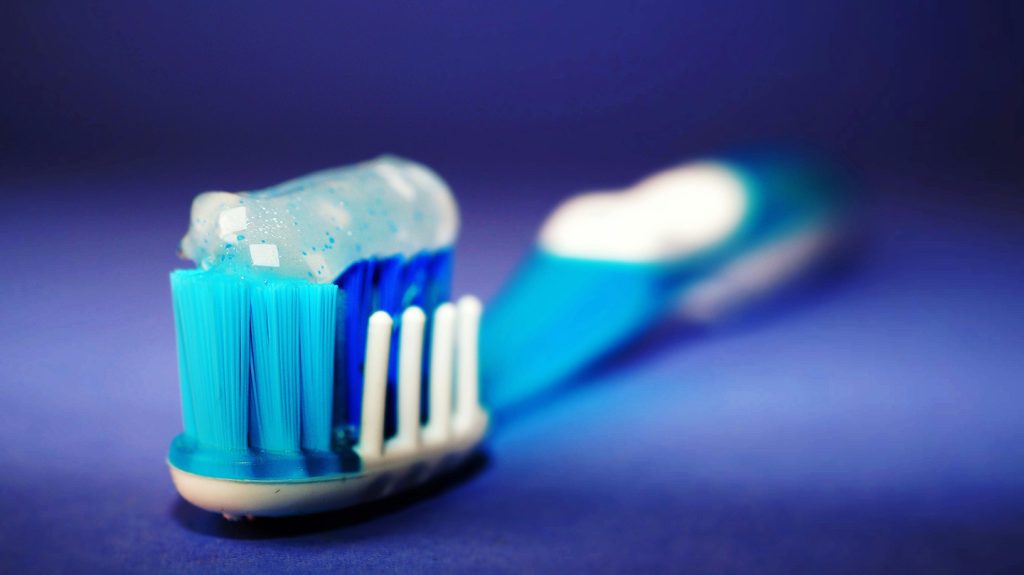
Brushing your teeth is a habit you likely learned as a child, but that doesn’t mean you’re doing it correctly. Many people unknowingly make brushing mistakes that can contribute to cavities, gum disease, and enamel erosion. Simply brushing twice a day isn’t enough—using the right techniques, tools, and habits is crucial for maintaining good oral health. In this article, we’ll explore common brushing mistakes and how to fix them.
Using the Wrong Toothbrush
Not all toothbrushes are created equal, yet many people don’t think twice about the type they use. A common mistake is choosing a toothbrush with hard bristles, assuming that firmer bristles clean teeth more effectively. However, hard bristles can wear down enamel and irritate the gums, leading to long-term damage. Similarly, using a toothbrush with an oversized head can make it difficult to reach the back molars, leaving plaque and bacteria behind.
The ideal toothbrush should have soft bristles and a small to medium-sized head to ensure it reaches all areas of the mouth. Many dentists recommend electric toothbrushes, as they remove plaque more efficiently than manual ones. If you find yourself brushing too aggressively, an electric toothbrush with a pressure sensor can help by alerting you when you’re pressing too hard.
Brushing Too Hard
It’s easy to assume that scrubbing your teeth with extra force will result in a deeper clean. However, brushing too hard can cause enamel erosion and gum recession, leading to sensitivity and an increased risk of cavities. Over time, aggressive brushing can expose the roots of your teeth, making them more susceptible to decay.
Instead of scrubbing, use gentle, circular motions to clean your teeth effectively. Holding your toothbrush with just two fingers and a thumb—rather than gripping it tightly—can help prevent excessive force. Additionally, using a toothbrush with soft bristles can minimize damage while still effectively removing plaque and food particles.
Not Brushing Long Enough
Many people rush through their brushing routine, spending just 30 to 45 seconds instead of the recommended two minutes. Brushing too quickly means that certain areas of the mouth may not get cleaned properly, leading to plaque buildup and an increased risk of cavities and gum disease.
To ensure you’re brushing long enough, set a timer for two minutes or use an electric toothbrush with a built-in timer. Another effective method is to mentally divide your mouth into four sections and spend at least 30 seconds on each quadrant. This ensures that all surfaces of your teeth receive the attention they need.
Brushing Right After Eating
While brushing after meals is generally beneficial, doing so immediately after consuming acidic foods or drinks like citrus fruits, coffee, soda, or wine can be harmful. Acids temporarily weaken tooth enamel, and brushing right away can further erode this softened enamel before it has a chance to recover and remineralize.
A better approach is to wait at least 30 minutes before brushing. During this time, saliva naturally neutralizes acids and helps remineralize the enamel. If you want to freshen your mouth immediately after eating, rinse with water or alcohol-free mouthwash, or chew sugar-free gum to stimulate saliva production.
Ignoring the Gum Line
Many people focus only on the surfaces of their teeth while neglecting the gum line, where plaque and bacteria tend to accumulate. Failing to clean this crucial area can lead to gingivitis, the earliest stage of gum disease, which causes inflammation, bleeding, and swelling of the gums.
To properly clean along the gum line, angle your toothbrush at 45 degrees and use gentle circular motions to remove plaque and bacteria. Electric toothbrushes are particularly effective at reaching these areas, as their oscillating heads provide more thorough cleaning with less effort.
Not Replacing Your Toothbrush Often Enough
A worn-out toothbrush is significantly less effective at cleaning your teeth, yet many people continue using the same brush for months. Over time, bristles become frayed and lose their ability to remove plaque properly. Additionally, old toothbrushes can harbor bacteria, which may contribute to infections or persistent bad breath.
Dentists recommend replacing your toothbrush—or the head of your electric toothbrush—every three to four months, or sooner if the bristles appear frayed. If you’ve been sick, it’s also a good idea to replace your toothbrush afterward to avoid reinfecting yourself.
Using the Wrong Toothpaste
Toothpaste selection plays a significant role in oral health, yet many people choose their toothpaste based on flavor or marketing claims rather than ingredients. Some whitening toothpastes contain harsh abrasives that can wear down enamel over time, while others may lack fluoride, which is essential for strengthening teeth and preventing decay.
For optimal protection, choose a fluoride toothpaste that helps remineralize enamel and fight cavities. If you have sensitive teeth, consider using a desensitizing toothpaste designed to reduce discomfort. Those prone to gum disease may benefit from an antibacterial toothpaste that helps control plaque buildup.
Forgetting to Clean the Tongue
Brushing your teeth alone isn’t enough to maintain fresh breath and prevent bacteria buildup. The tongue harbors millions of bacteria that contribute to bad breath and plaque formation. Neglecting to clean it can leave your mouth feeling less fresh, even after thorough tooth brushing.
Using a tongue scraper or the back of your toothbrush, gently clean your tongue from back to front to remove bacteria and debris. This simple step can significantly improve oral hygiene and help keep bad breath at bay throughout the day.
Rinsing with Water Right After Brushing
A common but often overlooked mistake is rinsing with water immediately after brushing. While it may seem intuitive to rinse out your mouth, doing so washes away the fluoride from your toothpaste, reducing its effectiveness in protecting and strengthening your teeth.
Instead of rinsing with water, simply spit out excess toothpaste but leave a thin layer of fluoridated residue on your teeth to continue providing protection. If you prefer to rinse, use a fluoride mouthwash rather than plain water to maximize the benefits of your brushing routine.
Skipping Nighttime Brushing
Brushing in the morning is a habit for most people, but some skip their nighttime brushing routine due to fatigue or inconvenience. However, failing to brush before bed allows plaque, bacteria, and food particles to sit on your teeth overnight, significantly increasing the risk of cavities and gum disease.
Nighttime brushing is especially crucial because saliva production decreases while you sleep, making your mouth more vulnerable to bacterial growth and acid attack. No matter how tired you are, taking those two minutes to brush before bed helps prevent long-term dental issues and ensures you wake up with a healthier mouth.
Better Brushing, Better Protection
Brushing your teeth is a fundamental part of oral hygiene, but small mistakes can have a significant impact on your dental health. Whether it’s brushing too hard, not brushing long enough, or using the wrong tools, these common errors can contribute to enamel erosion, cavities, and gum disease over time.
By adopting the right techniques—such as using a soft-bristled toothbrush, brushing for a full two minutes, and cleaning along the gum line—you can dramatically improve your oral health and maintain a brighter smile.
Making small adjustments to your brushing routine can lead to substantial long-term benefits. If you’re unsure whether you’re brushing correctly, don’t hesitate to consult your dentist for personalized advice and a demonstration of proper brushing techniques. A little effort now can prevent costly dental treatments in the future and keep your teeth and gums healthy for years to come.