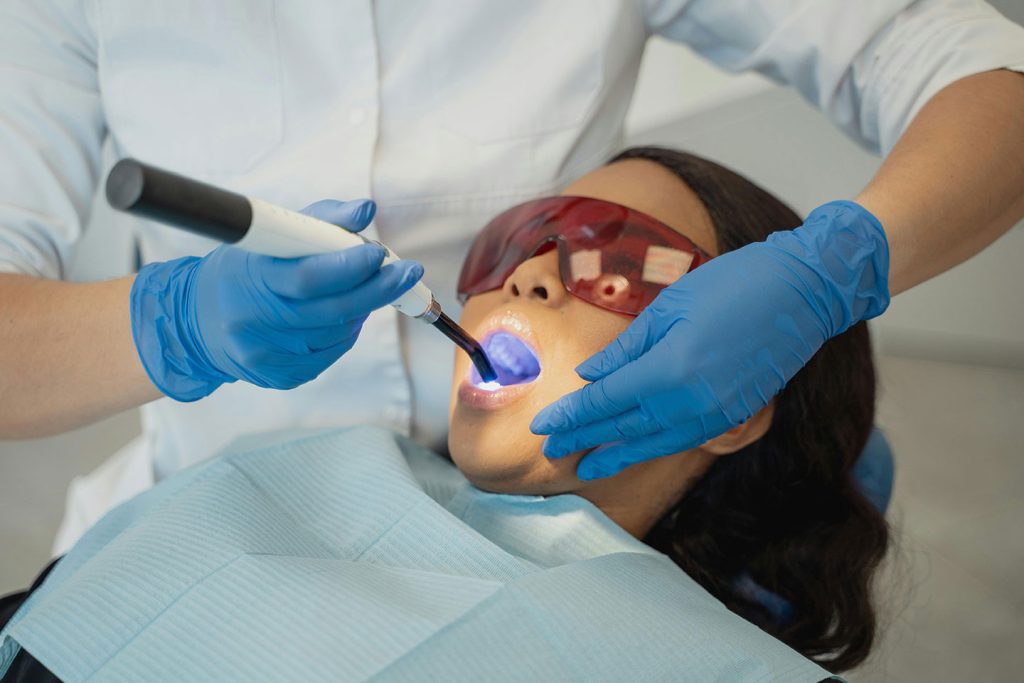
If you’ve ever felt nervous walking into a dental clinic, unsure about what’s going to happen or what your dentist is even talking about, you’re not alone. Dental visits have a reputation for being uncomfortable, not just because of the treatments, but often because of the communication gap between the patient and the professional.
Great dental care isn’t just about cleanings and fillings. It’s about building trust. It’s about being heard, understood, and treated like a person, not just a chart number or a set of teeth. What patients really want is simple: someone who talks to them like a human, explains things clearly, and creates a space where they feel calm, respected, and involved in their own care.
Take, for example, something as common as a cavity. When most people hear that they need a filling, their first thought is often, “Is it serious?” or “Will it hurt?” In those moments, the last thing anyone wants is a long-winded explanation filled with clinical terms.
What helps instead is a dentist who takes the time to explain it like this: “You have a small hole in your tooth, likely caused by bacteria from sugars in food. If we leave it, the damage could get worse and cause pain. But a filling now will stop that from happening.” That’s the kind of explanation that puts people at ease, clear, simple, and focused on what matters.
But not every patient walks in ready to listen or follow instructions. Dental anxiety is real. So is hesitation, resistance, or a lifetime of feeling judged about oral hygiene. Some patients may not brush as often as they should. Others might struggle to floss or maintain consistent habits. And rather than feeling helped, they feel ashamed when these habits are brought up.
That’s where compassionate communication makes a difference. The best dental teams understand that there’s a story behind every behavior. Maybe someone didn’t have access to dental care growing up. Maybe they’ve had painful past experiences. Or maybe their life is just busy, and oral care isn’t top of mind. Whatever the reason, no one responds well to scolding. But a kind conversation, one that says, “Let’s find a routine that works for you,” instead of “You’re not doing enough”, can shift someone’s entire outlook on their dental health.
Another layer to all of this is communication with patients who don’t speak the same language as the dentist. This is more common than many realize, especially in diverse communities. When language becomes a barrier, it’s not just the technical explanations that get lost, it’s also the patient’s ability to feel safe and involved.
Thankfully, more dental practices today are recognizing this and making efforts to bridge the gap. That might mean using translated materials, hiring multilingual staff, or using visuals like charts, diagrams, or simple demonstrations to show what words can’t express. What truly matters, though, isn’t just translation, it’s patience, tone, and the willingness to make someone feel included, even when communication takes a little more time.
Then there are those patients, and let’s be honest, there are many, who walk in with their heart racing. Whether it’s fear of pain, the sound of the drill, or a bad memory from childhood, dental anxiety is very real. And while it may not always be visible, the right kind of care can help calm even the most anxious mind. The most reassuring dental environments are the ones where the patient is kept informed every step of the way. Where nothing is done without warning, and where the dentist explains each step before it happens.
Even small things, like being told, “If you feel uncomfortable, just raise your hand and we’ll pause,” can give patients a much-needed sense of control. Some clinics go the extra mile by offering calming music, distraction techniques, or simply allowing more time for a procedure so that no one feels rushed. These aren’t just nice gestures, they’re tools that help patients build confidence and trust.
All of this, the clear explanations, the non-judgmental conversations, the language sensitivity, the calm presence, comes down to one thing: communication that puts the patient first. When people feel informed, respected, and heard, they’re far more likely to follow through with care, keep appointments, and actually feel good about maintaining their oral health. And really, that’s the goal: not just fixing teeth, but creating a partnership where the patient feels empowered.
So if you’re someone who’s ever walked out of a dental appointment feeling confused, anxious, or dismissed, know that it doesn’t have to be that way. There are dental professionals out there who understand that the human side of dentistry matters just as much as the clinical side. Who knows that how they talk to you is just as important as what they do for you. And if you’re lucky enough to have a dentist like that, hold onto them, they’re worth their weight in gold (or composite resin).
Because in the end, good dentistry isn’t just about teeth. It’s about people. And people thrive when they feel seen, heard, and cared for.