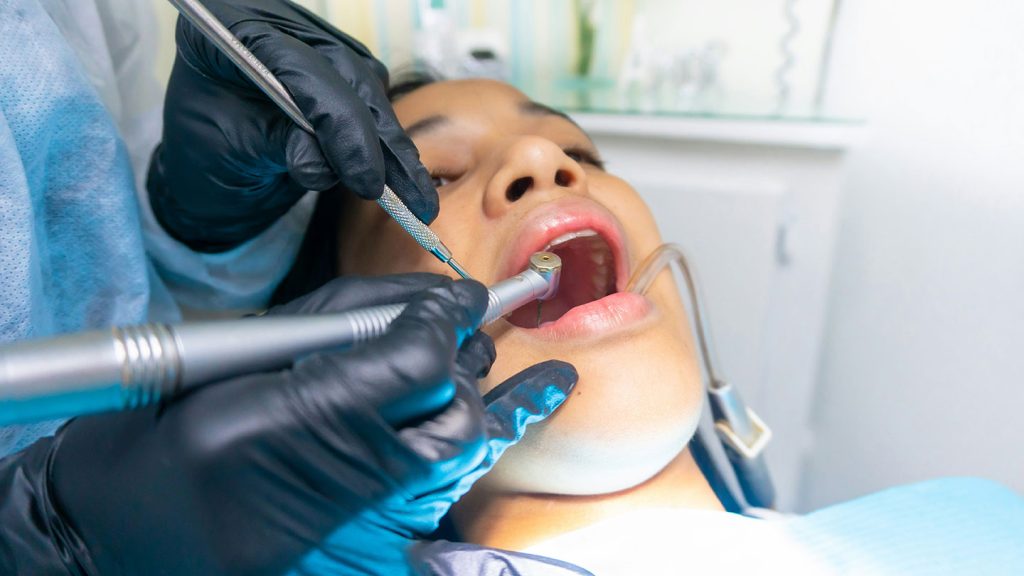
You’re not alone if the thought of visiting the dentist makes your heart race. Dental anxiety affects millions of people, with studies showing that up to 20% of Americans avoid dental care due to fear. This avoidance can lead to more complex dental problems down the road, creating a cycle where anxiety worsens as dental health deteriorates. The good news is that dental anxiety is entirely manageable with the right strategies and understanding.
Understanding the Root of Dental Anxiety
Dental anxiety stems from various sources, and identifying your specific triggers is the first step toward overcoming them. Common causes include fear of pain, feeling helpless or out of control, embarrassment about dental health, or past traumatic experiences. Some people develop anxiety from hearing others’ negative dental stories or from the clinical environment itself – the sounds, smells, and unfamiliar sensations.
It’s important to recognize that these fears are valid and normal. Modern dentistry has evolved significantly, with new techniques and technologies designed specifically to improve patient comfort. Understanding that your anxiety is a common response can help reduce the shame or embarrassment that often accompanies dental fear.
Preparation Strategies That Work
Preparation is your most powerful tool against dental anxiety. Start by scheduling your appointment at a time when you’re typically most relaxed and least rushed. Morning appointments often work well because you won’t spend the entire day worrying about your visit.
Before your appointment, practice relaxation techniques at home. Deep breathing exercises, progressive muscle relaxation, and visualization can help calm your nervous system. Try the 4-7-8 breathing technique: inhale for 4 counts, hold for 7, and exhale for 8. This simple practice can significantly reduce anxiety when used consistently.
Consider what you’ll wear to feel most comfortable. Loose, comfortable clothing can help you feel more at ease. Avoid caffeine before your appointment, as it can increase anxiety and make you more sensitive to sensations during treatment.
Communication is Key
One of the most effective ways to manage dental anxiety is through open communication with your dental team. When scheduling your appointment, inform the office about your anxiety. Many practices have specific protocols for anxious patients and can accommodate your needs.
Before treatment begins, discuss your concerns with your dentist. Ask about the procedures you’ll receive, what sensations you might experience, and how long each step will take. Knowledge often reduces fear because uncertainty tends to make anxiety worse. Don’t hesitate to ask questions – understanding what’s happening can help you feel more in control.
Establish a signal system with your dentist, such as raising your hand when you need a break. Knowing you can pause treatment at any time can significantly reduce feelings of helplessness. Many patients find that simply having this option available makes them less likely to actually need it.
Distraction and Relaxation Techniques
During your appointment, distraction can be incredibly effective. Many dental offices offer headphones for music or podcasts, which can help mask dental sounds and provide a mental escape. Some practices even have ceiling-mounted televisions or virtual reality headsets.
Check with your dental office to see what, if any options are available for your appointment. If they don’t have anything that you feel will help increase your comfort level, ask if you can bring something of your own for a distraction.
Modern Comfort Options
Today’s dentistry offers numerous options to enhance patient comfort. Local anesthetics are more effective than ever, and topical numbing gels can eliminate the discomfort of injections. For more intensive procedures or severe anxiety, sedation options range from nitrous oxide (laughing gas) to oral sedation or IV sedation.
Many practices now use laser dentistry for certain procedures, which can reduce discomfort and healing time. Digital X-rays are faster and more comfortable than traditional film X-rays, and intraoral cameras allow you to see what your dentist sees, making the experience more collaborative and less mysterious.
Building Positive Associations
Start small when returning to dental care after a long absence. Begin with a simple cleaning or consultation rather than jumping into complex treatments. This approach allows you to gradually build positive associations with dental visits and gain confidence in your ability to handle dental care.
Reward yourself after appointments. Plan something enjoyable for after your visit – perhaps a favorite meal, a relaxing activity, or a small purchase you’ve been wanting. This creates positive associations with dental care and gives you something to look forward to.
Long-Term Success Strategies
Regular dental visits actually reduce anxiety over time. When you maintain consistent care, procedures remain simple and routine rather than becoming complex emergencies. This regularity helps desensitize you to the dental environment and builds trust with your dental team.
Our team at Inland Family Dentistry wants to build long lasting, relationships built on trust and excellent communication. Each member of our team is here to help you on your journey to help ensure great oral care while helping manage any fear or anxiety our patients might experience.
Taking the First Step
Remember that conquering dental anxiety is a gradual process. Be patient with yourself and celebrate small victories. Each successful visit builds confidence for the next one. Your dental team wants to help you succeed and will work with you to ensure your comfort throughout the process.
The most important step is simply making that first appointment. By implementing these strategies and working with a compassionate dental team, you can overcome dental anxiety and maintain the oral health that’s essential for your overall well-being. Your smile – and your peace of mind – are worth the effort.