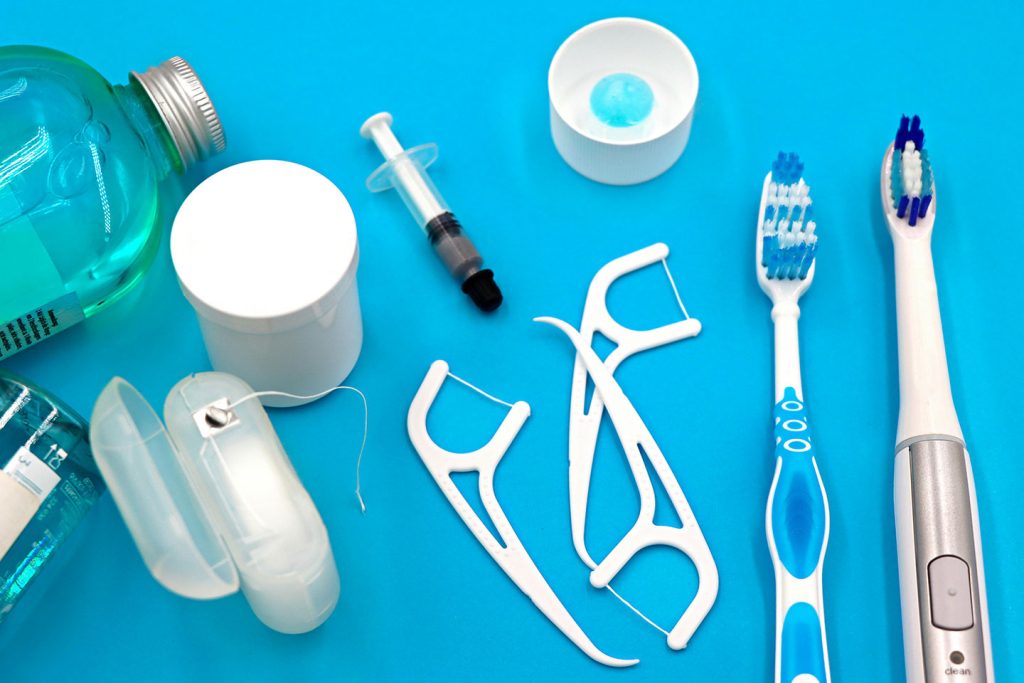
Bad breath, medically known as halitosis, affects nearly everyone at some point, yet it remains one of the most embarrassing dental concerns. While grabbing a mint or swishing mouthwash might provide temporary relief, these quick fixes often mask the problem rather than solve it. Understanding the root causes of bad breath and implementing targeted solutions can help you achieve lasting fresh breath confidence.
The Real Culprits Behind Bad Breath
Most people assume bad breath comes from what they eat, but the truth is more complex. While foods like garlic and onions certainly contribute to temporary odor, persistent bad breath usually stems from bacterial activity in your mouth. Your mouth contains hundreds of bacterial species, and when certain types multiply, they produce sulfur compounds that create that unmistakable unpleasant smell.
The primary breeding ground for these bacteria is on your tongue, particularly the back portion where food particles, dead cells, and bacteria accumulate. This area often gets neglected during routine oral care, allowing bacteria to flourish. Additionally, bacteria hide between teeth, along the gumline, and in any areas where plaque builds up.
Dry mouth significantly worsens bad breath because saliva naturally cleanses your mouth and neutralizes acids produced by bacteria. When saliva production decreases due to medications, medical conditions, or simply sleeping with your mouth open, bacteria multiply rapidly, leading to morning breath and persistent odor throughout the day.
Beyond Brushing: The Tongue Factor
Your tongue harbors more bacteria than any other part of your mouth, yet many people never clean it properly. The tongue’s textured surface, especially toward the back, provides countless hiding spots for bacteria and food debris. Simply brushing your teeth won’t address this major source of bad breath.
Tongue scraping is one of the most effective bad breath solutions that many people overlook. Using a tongue scraper or the back of your toothbrush, gently scrape from the back of your tongue toward the front. This removes the bacterial coating that causes odor. The difference in breath freshness is often immediately noticeable.
For those who gag easily when cleaning their tongue, start gradually. Begin scraping just the front portion of your tongue and slowly work toward the back as you become more comfortable. Breathing through your nose while scraping can help reduce the gag reflex.
The Flossing Connection
Skipping floss doesn’t just risk cavities; it’s a major contributor to bad breath. Food particles trapped between teeth begin decomposing within hours, feeding bacteria and creating odor. Even if you can’t see or feel these particles, they’re likely there, especially in tight spaces between molars.
When you finally floss after skipping it for days, you might notice an unpleasant smell on the floss itself. This odor gives you a direct indication of what’s been contributing to your bad breath. Regular flossing removes these particles before they can decompose and create lasting odor.
Water flossers can be particularly effective for bad breath because they flush out debris and bacteria from deep pockets around teeth and gums. The pulsating water action reaches areas that traditional floss might miss, providing a more thorough clean.
Hydration and Saliva Production
Increasing your saliva production is one of the most underestimated bad breath solutions. Saliva contains antibacterial properties and helps wash away food particles and bacteria. When your mouth is dry, bacteria multiply rapidly, leading to stronger odors.
Drinking water throughout the day helps maintain saliva production, but simply sipping water isn’t enough. Chewing sugar-free gum stimulates saliva production more effectively than drinking water alone. Look for gum containing xylitol, which not only stimulates saliva but also has antibacterial properties that actively fight the bacteria causing bad breath.
Certain foods can also stimulate saliva production. Crunchy fruits and vegetables like apples, carrots, and celery require extensive chewing, which increases saliva flow. These foods also help scrub bacteria and food particles from your teeth and tongue naturally.
Dietary Strategies That Work
While avoiding garlic and onions can help, focusing on breath-friendly foods is more effective than simply avoiding problematic ones. Green tea contains polyphenols that help kill bacteria and neutralize sulfur compounds. Drinking green tea regularly can significantly improve breath freshness.
Probiotics, found in yogurt and fermented foods, help balance the bacterial environment in your mouth. These beneficial bacteria can crowd out the harmful bacteria responsible for bad breath. Regular consumption of probiotic foods or supplements can lead to lasting improvements in breath quality.
Parsley isn’t just a garnish; it contains chlorophyll, which has natural deodorizing properties. Chewing fresh parsley after meals can help neutralize odors. Similarly, mint leaves provide temporary freshening effects, but they also stimulate saliva production for longer-lasting benefits.
When Professional Help is Needed
Sometimes bad breath persists despite excellent oral hygiene, indicating underlying issues that require professional attention. Gum disease is a common cause of chronic bad breath because bacteria in infected gum pockets produce particularly strong odors. Professional cleaning and gum disease treatment can resolve this type of bad breath completely.
Tonsil stones, small calcified deposits that form in the crevices of your tonsils, can cause persistent bad breath. These stones harbor bacteria and emit a strong sulfur smell. While some people can remove small tonsil stones at home, larger ones may require professional removal.
Certain medical conditions, including acid reflux, diabetes, and sinus infections, can cause bad breath. If your breath doesn’t improve with improved oral hygiene, consult both your dentist and physician to rule out underlying health issues.
Creating a Comprehensive Routine
Effective bad breath prevention requires a multi-faceted approach. Start with thorough tooth brushing twice daily, but don’t stop there. Clean your tongue daily, floss regularly, and stay hydrated throughout the day. Consider incorporating antibacterial mouthwash as a supplement to, not replacement for, proper mechanical cleaning.
Time your routine strategically. Cleaning your mouth before bed is crucial because saliva production decreases during sleep, allowing bacteria to multiply. A thorough evening routine sets you up for fresher morning breath.
Regular dental checkups and cleanings are essential for identifying and addressing issues before they become major problems. Your dental hygienist can remove hardened plaque and tartar that harbor bacteria, while your dentist can spot early signs of gum disease or other conditions contributing to bad breath.
The Bottom Line
Lasting fresh breath comes from addressing the root causes, not masking symptoms. By understanding that bad breath primarily results from bacterial activity and implementing comprehensive solutions that target these bacteria, you can achieve the confident, fresh breath you deserve. Remember, if problems persist despite your best efforts, professional dental care can identify and treat underlying issues that home care alone cannot address.