
Welcome to the Inland Family Dentistry dental blog. Walla Walla is home to our practice, and this is the space where we share friendly, helpful information about keeping your teeth and gums healthy. Whether you are curious about what happens during a routine cleaning, wondering how nutrition affects your smile, or looking for tips to help your kids feel comfortable at their next visit, you will find articles here written with real families in mind. We believe good dental care starts with good information, and we want this to be a resource you can trust.
New here? Learn more about our team and the services we offer, including general dentistry, hygiene, and pediatric dentistry. You can also explore trusted oral health resources from the American Dental Association.
 As the mercury rises and days grow longer, our cravings for refreshing snacks intensify. While summer offers a bounty of delicious treats, not all are created equal when it comes to dental health. In this blog post, we'll explore tooth-friendly summer snacks that will keep your smile as bright as the summer sun, and discuss which foods you might want to enjoy in moderation. The Importance of Tooth-Friendly Snacking Our food choices significantly impact our oral health. Harmful bacteria in our mouths feed on the sugars we consume, producing acids that can erode tooth enamel and lead to cavities. By choosing snacks that are low in sugar and high in nutrients, we can help protect our teeth while satisfying our taste buds. Tooth-Friendly Summer Snacks Fresh Fruits Many summer fruits are not only delicious but also great for your teeth: Strawberries: Rich in vitamin C, which helps maintain healthy gums. Apples: Their crunchy texture stimulates saliva production, which naturally cleans teeth. Watermelon: High water content helps rinse away food particles and bacteria. Kiwi: Another excellent source of vitamin C for gum health. Remember to rinse your mouth with water after eating acidic fruits like citrus to protect your enamel. Crunchy...
  With summer break in full swing, children’s days are filled with fun, relaxation, and often, a break from routine. While this change of pace is exciting, it can sometimes lead to a lapse in oral health habits. In this blog post, we'll explore how to keep your kids' teeth healthy during the summer months, balancing the joys of the season with good dental practices. The Summer Oral Health Challenge Summer break often brings several challenges to children's oral health: Disrupted routines: Without the structure of school days, regular brushing and flossing habits may slip. Increased sugar consumption: Ice cream, popsicles, and sugary drinks are summer staples but can harm teeth. Irregular meal times: Snacking throughout the day can increase the risk of tooth decay. Busy schedules: Summer activities and travel can make dental care seem less important. Despite these challenges, with some planning and creativity, you can help your children maintain healthy teeth and gums all summer long. Maintaining Dental Routines Stick to a Schedule: Try to maintain regular brushing times, even if wake-up and bedtimes shift. Consider setting alarms as reminders. Make It Fun: Turn brushing into a game or challenge. Use apps that play music for the recommended...
 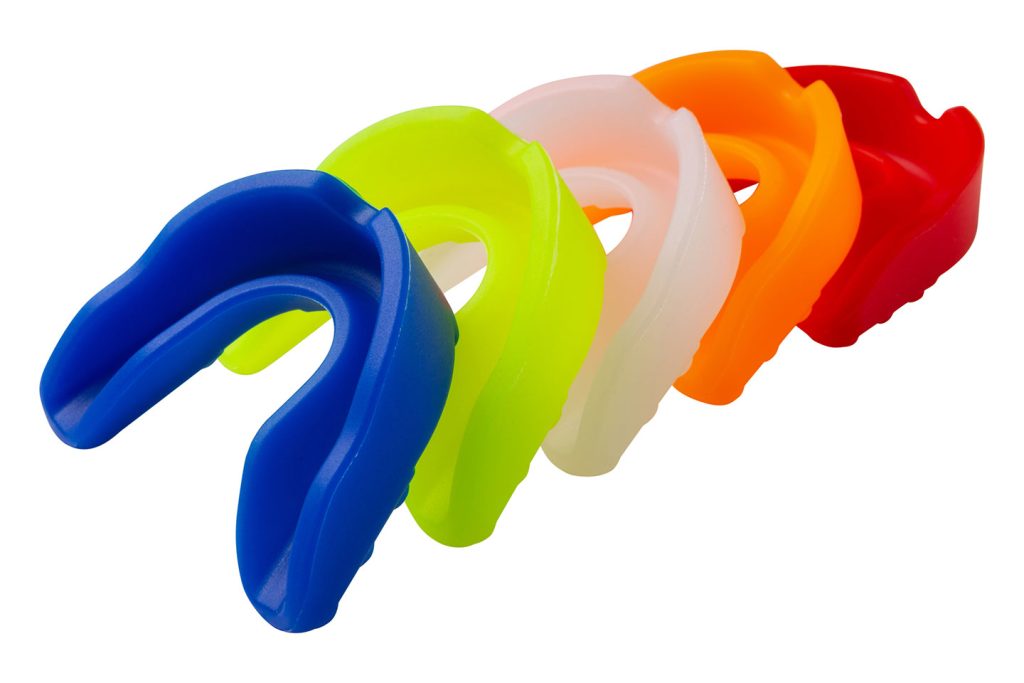 As the summer sun beckons us outdoors, many of us eagerly dive into our favorite sports and activities. Whether you're hitting the basketball court, shredding on a skateboard, or joining a local soccer league, it's essential to consider not just your overall safety, but also the protection of your teeth and gums. In this blog post, we'll explore the importance of wearing mouthguards during summer sports and provide guidance on choosing the right one for your needs. The Hidden Dangers to Your Smile Summer sports often involve fast-paced action, physical contact, and the potential for falls or collisions. While we're quick to don helmets, knee pads, or other protective gear, many of us overlook the vulnerability of our mouths. According to the American Dental Association, athletes who don't wear mouthguards are 60 times more likely to suffer dental injuries than those who do. These injuries can range from chipped or broken teeth to more severe trauma like tooth loss or jaw fractures. Common summer activities that benefit from mouthguard use include: 1. Basketball 2. Soccer 3. Baseball and softball 4. Skateboarding and rollerblading 5. Cycling 6. Volleyball 7. Martial arts Even non-contact sports can pose risks. A fall from a...
 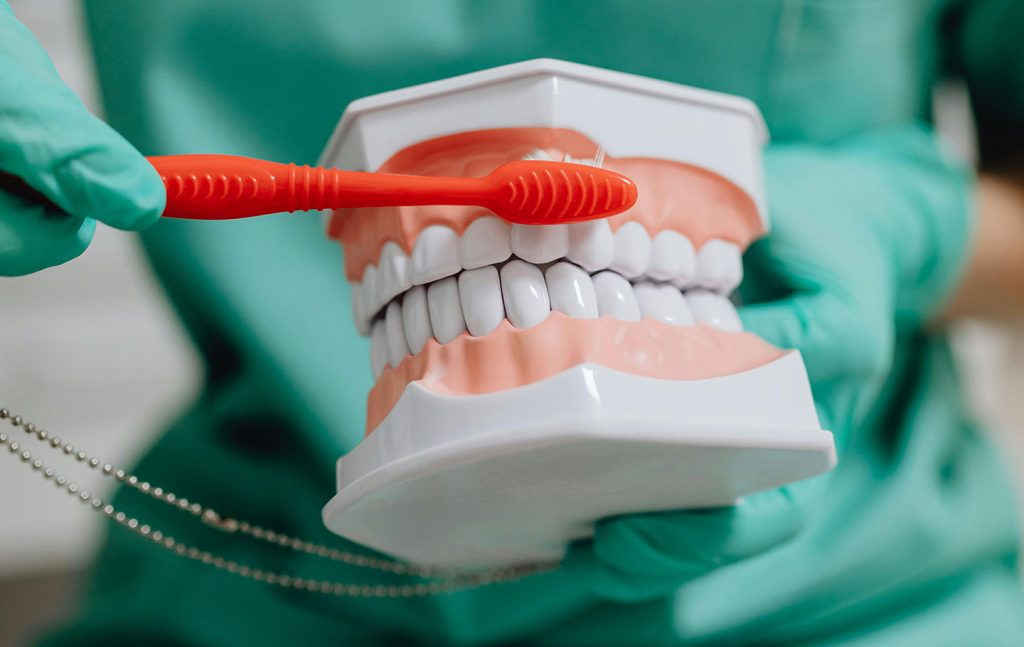 When was the last time you visited the dentist for a routine check-up and cleaning? If it's been more than six months, you're long overdue. While some people view dental appointments as an inconvenient chore, getting consistent preventive care is crucial for maintaining good oral health throughout your life. Regular check-ups allow your dentist to monitor your mouth for any potential problems and catch issues early before they progress into something more serious and painful - not to mention more costly to treat. From preventing cavities and gum disease to detecting oral cancer, here's why making (and keeping) those twice-yearly dental visits should be a priority. Cavity Prevention and Early Detection One of the main reasons to see your dentist regularly is to have your teeth professionally cleaned and checked for cavities or dental caries. Even with diligent brushing and flossing at home, hardened plaque (tartar) still accumulates and needs to be removed. Left unchecked, this buildup provides an ideal environment for decay-causing bacteria to thrive and produce enamel-eroding acids. During a dental exam, your dentist or hygienist will use a small dental mirror and spiked instrument to check all surfaces of your teeth. If they spot any suspicious soft...
  Most dental problems don't just appear overnight - there are often subtle signs and symptoms that indicate something isn't quite right in your mouth. From bleeding gums to tooth sensitivity, being able to recognize some of the common red flags can allow you to catch oral health issues early before they progress into bigger problems requiring more extensive and costly treatment. Here are eight warning signs you shouldn't ignore. If you notice any of these, it's a good idea to schedule a dental appointment for an evaluation: 1. Bleeding Gums: If your gums bleed when brushing or flossing, this is one of the most obvious indicators of gum disease or gingivitis. Healthy gums should not bleed easily. While occasional bleeding may not be cause for alarm, persistent bleeding is a sign of inflammation which could progress to periodontitis if left untreated. 2. Swollen or Receding Gums: Along with bleeding, swollen or receding gums are another key symptom of advancing gum disease. Periodontitis causes the gums to pull away from the teeth, creating deep pockets where bacteria can gather and multiplying rapidly. This ultimately leads to bone and tooth loss. 3. Persistent Bad Breath: Bad breath that doesn't go away is...
  What you eat doesn't just impact your overall physical health, but also has a major influence on the health of your teeth and gums. While certain foods can contribute to tooth decay, gum disease, and other oral issues, incorporating other diet choices can actually help promote strong teeth and fresh breath. Being mindful of your dietary choices is an important part of a complete oral care routine. The Worst Culprits for Dental Health There are a few main types of foods and beverages that are particularly detrimental when it comes to oral health: Sugary Foods and Drinks It's no surprise that foods high in sugar like candy, cookies, cakes, and sugary drinks like soda are bad for your teeth. The bacteria in your mouth feast on these sugars, producing acids that wear away tooth enamel and cause cavities and decay over time. While not bad when eaten in a limited capacity, we encourage all of our dental patients to limit overconsumption of sweets and sodas to help ensure a healthy smile. Sticky/Gummy Foods Sticky snacks like gummies, taffy, caramel, and dried fruits have a tendency to get stuck in the crevices of your teeth. This exposes tooth surfaces to sugar...
  Dental fear and anxiety are common issues that affect millions of people worldwide, preventing them from seeking necessary dental care and compromising their oral health. At Inland Family Dentistry, we recognize that dental fear and anxiety can stem from a number of root causes including past traumatic experiences, fear of pain, or general anxiety. We believe that addressing these concerns is crucial for maintaining a positive relationship with patients, helping to ensure they are able to live a life with a healthy smile. In this article, we'll explore some of the primary causes of dental fear and anxiety, provide tips for managing these feelings, and discuss how to find a dentist who is understanding and supportive. Causes of Dental Fear and Anxiety Dental fear and anxiety can arise from various sources, including: Past Traumatic Experiences: Negative experiences during childhood or adulthood, such as painful treatments or insensitive dental professionals, can leave lasting emotional scars. Fear of Pain: Many individuals associate dental visits with pain, leading to heightened anxiety before and during appointments. Loss of Control: Being in a vulnerable position during dental procedures can trigger feelings of helplessness and anxiety. Fear of Judgement: Concerns about the condition of one's teeth...
 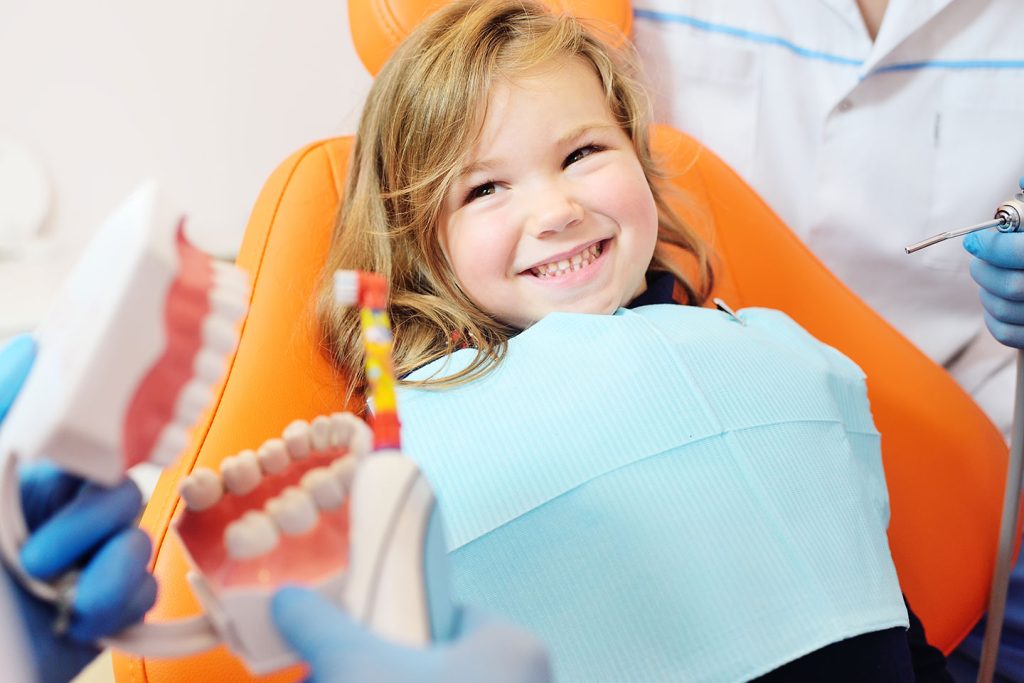 Pediatric dentistry plays a crucial role in ensuring the oral health and well-being of children. As parents, it's essential to instill good dental habits early on to set little ones up for a lifetime of healthy smiles. In this blog post, we'll explore some essential tips to help parents navigate their child's dental care journey with confidence and ease. Start Early: The American Academy of Pediatric Dentistry recommends that children should visit a pediatric dentist by their first birthday or within six months of the eruption of their first tooth. Early dental visits not only help in early detection of dental issues but also familiarize children with the dental environment, which can help in reducing anxiety during future visits. Practice Good Oral Hygiene: Teach your child the importance of brushing and flossing from an early age. Use a soft-bristled toothbrush and a pea-sized amount of fluoride toothpaste to gently brush their teeth twice a day. Encourage your child to spit out the toothpaste rather than swallowing it. As they grow older, supervise their brushing until they can effectively do it on their own, usually around the age of six or seven. Lead by Example: Children learn by observing their parents,...
 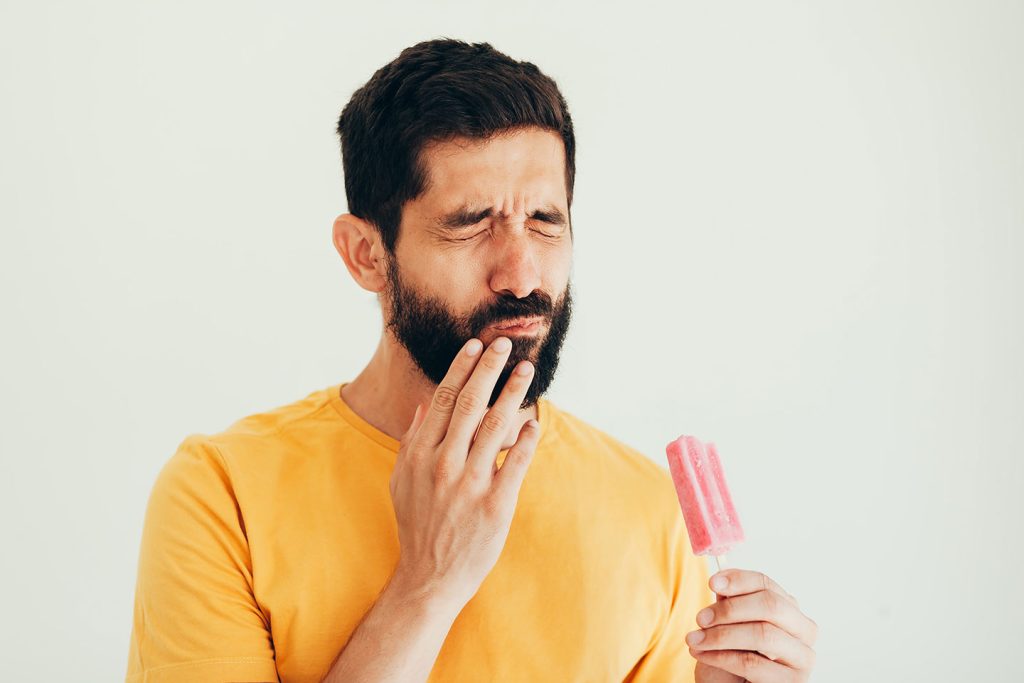 [vc_row][vc_column][vc_column_text]Do you wince in pain when sipping hot coffee or biting into an icy treat? If so, you're not alone. Tooth sensitivity, also known as dentin hypersensitivity, affects millions of people worldwide. It occurs when the protective layer of enamel on our teeth wears down, exposing the sensitive nerves underneath. Fortunately, there are various treatments and remedies available to help alleviate tooth sensitivity. In this article, we'll explore some effective strategies to combat tooth sensitivity and ensure you’re able to enjoy your favorite foods and drinks comfortably. Understanding Tooth Sensitivity Before diving into treatments, it’s important to first understand the root cause of tooth sensitivity. Our teeth are composed of multiple layers: enamel, dentin, and pulp. Enamel, the outermost layer, protects the underlying dentin and pulp from external stimuli. When enamel wears down due to factors like aggressive brushing, acidic foods, or gum recession, it exposes the dentin, which contains microscopic tubules leading to the nerve center, resulting in the sensitivity that people feel. Effective Treatments for Tooth Sensitivity Desensitizing Toothpaste: Switching to a desensitizing toothpaste can help block the transmission of sensation from the tooth surface to the nerve. Use it regularly as part of your oral hygiene routine...
  A dazzling smile not only boosts confidence but also reflects overall good health. To ensure a radiant smile and prevent dental issues, it's crucial to establish effective daily oral hygiene routines. In this blog post, we'll explore a comprehensive guide to help you maintain optimal dental health through active and consistent practices. 1. Brushing Techniques The cornerstone of any oral hygiene routine is brushing your teeth. Opt for a soft-bristled toothbrush and fluoride toothpaste for maximum effectiveness. Brush your teeth twice a day – in the morning and before bedtime. The American Dental Association (ADA) recommends using a gentle, circular motion to clean all surfaces of your teeth. Don't forget to brush your tongue to eliminate bacteria causing bad breath. 2. Flossing While brushing is crucial, it's not sufficient to reach all the nooks and crannies between your teeth. Enter flossing. Make it a habit to floss at least once a day to remove plaque and food particles that your toothbrush might miss. Proper flossing involves gently sliding the floss between your teeth and curving it around each tooth in a C-shape. 3. Mouthwash Complement your oral care routine with an antimicrobial or fluoride mouthwash. It helps kill bacteria, freshens...