IFD News
 A lot of adults carry around a version of the same thought: they wish they had done something about their teeth when they were younger. Maybe orthodontics wasn't an option growing up. Maybe they had braces as a teenager and their teeth shifted over the years. Maybe they've just never quite loved their smile but assumed that fixing it was something people do in their teens, not in their thirties, forties, or beyond. That assumption is worth revisiting. Adult orthodontic treatment is more common than most people realize, and Invisalign has played a big part in that shift. If the idea of straightening your teeth has crossed your mind more than once, here's what's actually worth knowing. Adults Are Getting Orthodontic Treatment More Than Ever There's a reason this conversation comes up so often in our office. Roughly one in three orthodontic patients today is an adult, and that number has been climbing steadily. Part of that is awareness, and part of it is the availability of clear aligner options that fit more naturally into an adult life than traditional metal braces do. The desire for a straighter smile doesn't expire at eighteen. Neither does the ability to achieve one....
 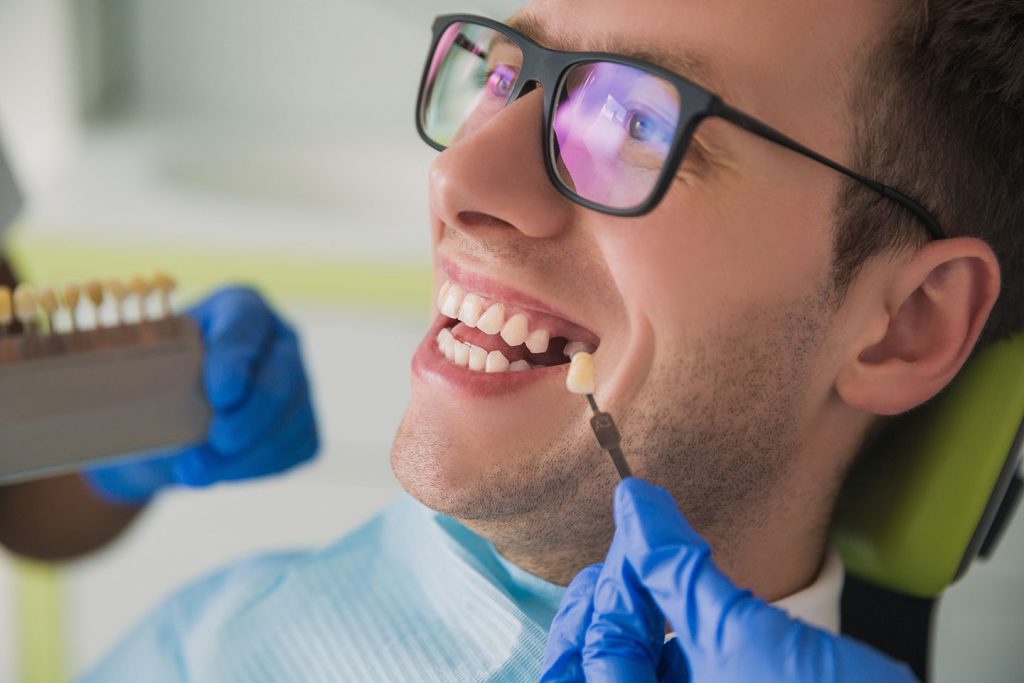 Dental Implants Explained: How They Work and Whether They Might Be Right for You If you've lost a tooth, or if you're facing the possibility of losing one, it's natural to have a lot of questions about what comes next. There are several ways to replace a missing tooth, and dental implants are one of the options we discuss with patients regularly. They've changed quite a bit about how dentistry can approach tooth loss, and for the right candidate, they can be a genuinely life-changing solution. That said, implants aren't the right fit for everyone, and the process isn't something to go into without a clear understanding of what's involved. Here's a straightforward look at how they work, who tends to be a good candidate, and what to expect if you decide to move forward. What a Dental Implant Actually Is A dental implant is a small titanium post that's surgically placed into the jawbone where a tooth is missing. Titanium is used because the body accepts it extremely well. Over the course of roughly four to six months, the bone actually grows around and fuses to the implant in a process called osseointegration. Once that healing is complete and...