IFD News
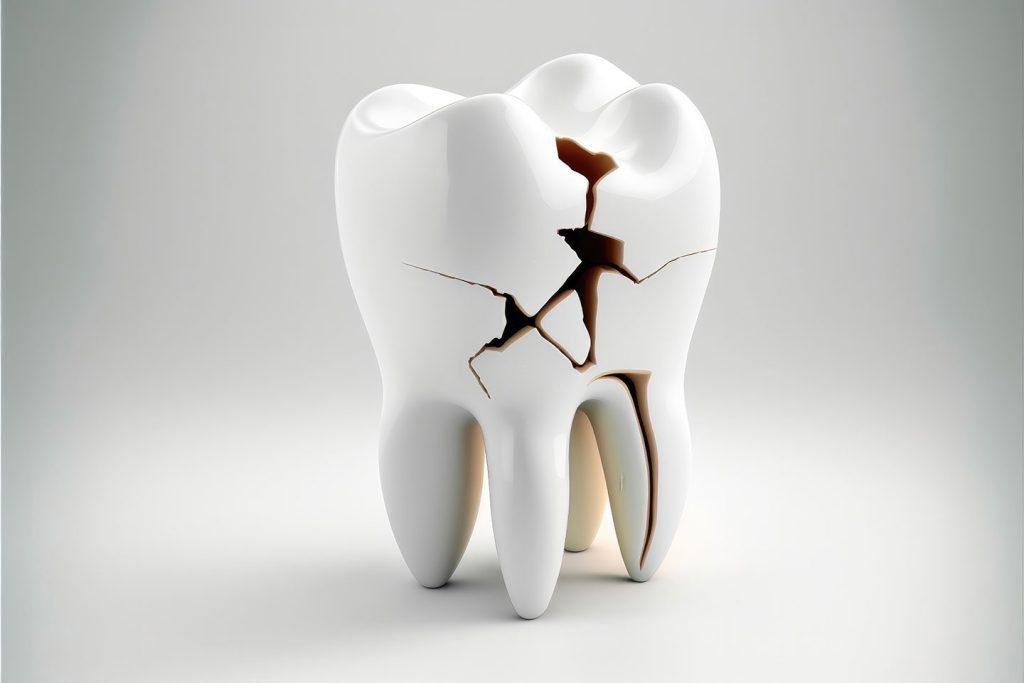 Cracked Teeth Are More Common Than You'd Think Most people picture a cracked tooth as something obvious. You bite down on something too hard, something breaks, and you know it immediately. Sometimes that is exactly what happens. But a lot of the time, a cracked tooth is something far quieter, something that doesn't announce itself clearly and can go unaddressed for months or even years while the problem gradually gets worse. Cracked teeth are one of the leading causes of tooth loss in adults, and they're becoming more common. Understanding what causes them, what to look for, and why it's worth acting on them early makes a real difference in what treatment ends up looking like. Why Cracks Happen There's no single cause, and more often than not, there are several factors working together. Teeth that have large fillings are more vulnerable because the filling material doesn't flex the way natural tooth structure does, which puts more stress on the surrounding tooth over time. Teeth grinding and clenching, which many people do during sleep without realizing it, generates forces far beyond what normal chewing produces, and that sustained pressure takes a toll on enamel over months and years. Habits matter...
 April 20, 2026
Fluoride Dental Treatment: What It Does for Your Teeth
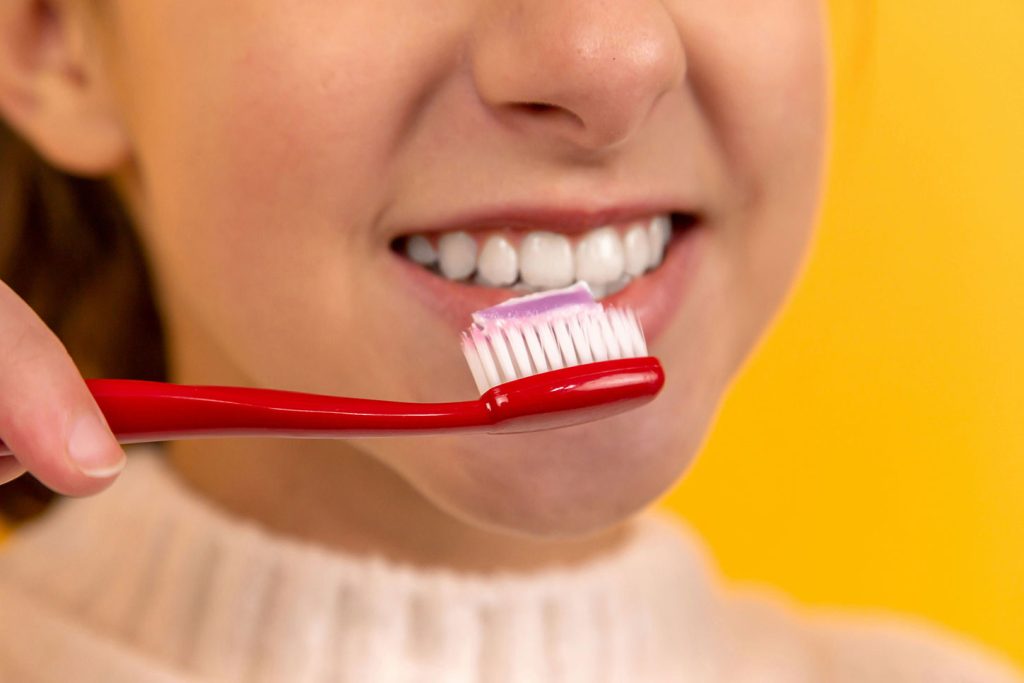 What Fluoride Actually Does for Your Teeth If you've ever had a fluoride treatment at the end of a cleaning and wondered whether it actually does anything, you're not alone. It can feel like a small, easy-to-overlook step, especially when you're already thinking about getting out the door. But fluoride is genuinely one of the more useful tools we have for keeping teeth healthy, and it's worth understanding what it's doing and why we recommend it. How Teeth Lose and Regain Minerals To understand fluoride, it helps to know a little bit about what's happening on the surface of your teeth throughout the day. Enamel, the outer layer of your teeth, is made up largely of minerals. Every time you eat or drink something, the bacteria in your mouth produce acids that pull minerals out of that enamel in a process called demineralization. Your saliva then works to restore those minerals in a process called remineralization. This back and forth is completely normal and happens constantly. The problems start when the balance tips too far in the wrong direction, when demineralization is happening faster than remineralization can keep up, and enamel starts to weaken. Fluoride helps restore that balance. It...