IFD News
January 26, 2026
So You’ve Got a Toothache and Can’t Get to a Dentist Yet
 A bad toothache doesn't care what time it is. It doesn't care that you have work tomorrow or that it's Sunday and nothing's open. It just hurts, and it wants your full attention. So you do what everyone does—you start Googling. And you find a lot of advice, most of it vague, some of it wrong, and a fair amount that can actually make things worse. Here's what actually helps, what's just buying you time, and when you need to stop managing it yourself and get to a dentist. Why tooth pain hits so hard Teeth aren't like muscles. When your back aches, you can stretch it out, take something, move on with your day. Tooth pain doesn't work like that. The nerves inside your teeth are incredibly sensitive, and when something irritates them—decay, a crack, infection, pressure—they let you know about it in a way that's hard to ignore. The pain doesn't really have a dimmer switch. Common culprits are cavities, cracked teeth, gum infections, exposed roots, or just inflammation around the tooth. Sometimes it's not even your teeth—sinus pressure can feel exactly like a toothache. The thing to remember is that toothaches almost never just go away on...
 January 13, 2026
Gum Disease: The Problem Nobody Notices Until It’s a Big Deal
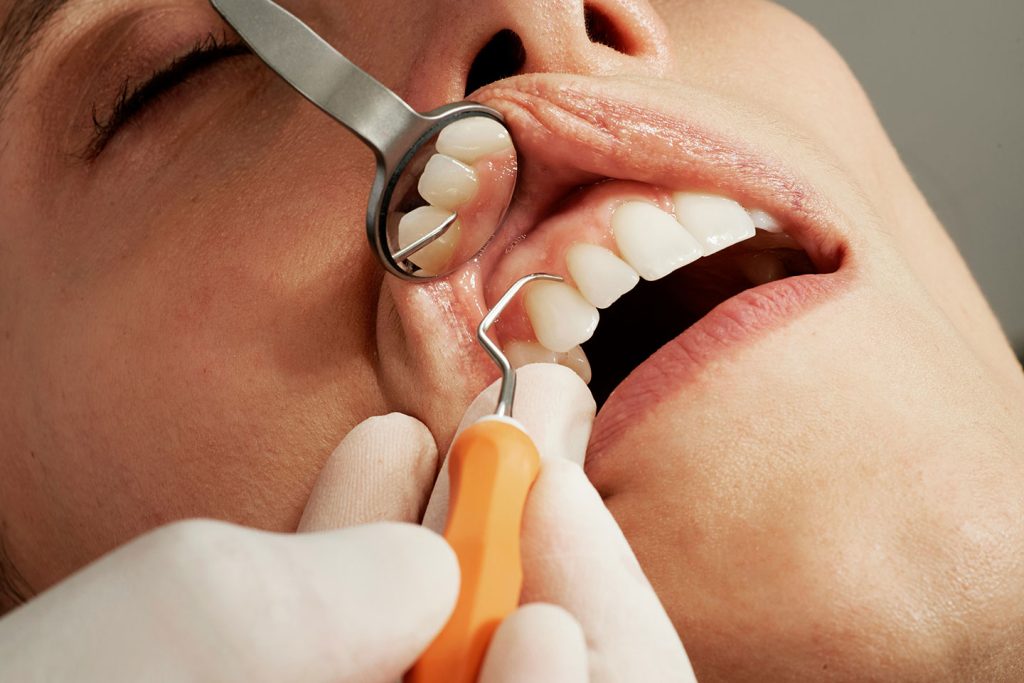 Most dental problems make themselves obvious. A cavity hurts. A cracked tooth gets your attention. Sensitivity lets you know something's wrong pretty quickly. But there's one issue that doesn't play by those rules. It often starts somewhere in your 30s, causes basically no pain, and then announces itself in your 50s—sometimes after the damage is already done. That's gum disease, and it's sneakier than most people realize. Why Nobody Notices It Early When you're younger, your body covers for you. Gums heal fast, inflammation calms down on its own, and minor problems don't leave much evidence behind. Early gum disease (the technical term is gingivitis) usually just looks like a little bleeding when you brush. Maybe some puffiness. Occasional bad breath. Nothing that hurts. And because it doesn't hurt, people ignore it. A lot of folks actually stop flossing when they see blood, figuring the flossing must be causing the problem. It's not. Bleeding gums are your mouth trying to tell you something. What's Actually Going On Gum disease isn't just about the pink tissue you can see. It starts when plaque and bacteria build up along the gumline and trigger inflammation. When that inflammation sticks around, things start to...