
Welcome to the Inland Family Dentistry dental blog. Walla Walla is home to our practice, and this is the space where we share friendly, helpful information about keeping your teeth and gums healthy. Whether you are curious about what happens during a routine cleaning, wondering how nutrition affects your smile, or looking for tips to help your kids feel comfortable at their next visit, you will find articles here written with real families in mind. We believe good dental care starts with good information, and we want this to be a resource you can trust.
New here? Learn more about our team and the services we offer, including general dentistry, hygiene, and pediatric dentistry. You can also explore trusted oral health resources from the American Dental Association.
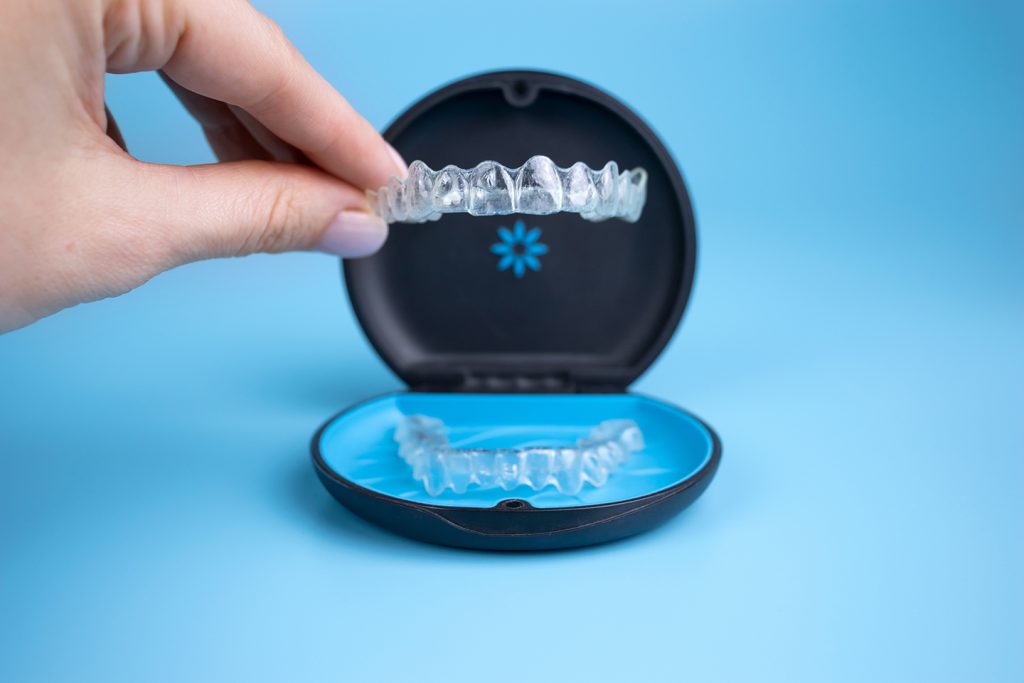 A straight, confident smile is something that many people desire, and with advancements in orthodontic technology, there are now more options than ever to achieve it. Two popular choices for teeth straightening are traditional braces and Invisalign clear braces. In this blog post, we'll explore the key differences between these two methods and shed light on the benefits of opting for Invisalign. Traditional Braces Traditional braces have been a staple in orthodontics for decades. They consist of metal brackets attached to each tooth, connected by wires. Here are some key aspects of traditional braces: 1. Visibility: Traditional braces are easily visible due to the metal components, making them a noticeable aspect of your smile. 2. Adjustments: Regular adjustments are required, usually every few weeks, to tighten the wires and encourage tooth movement. 3. Dietary Restrictions: Certain foods, such as sticky or hard items, need to be avoided to prevent damage to the braces. 4. Oral Hygiene: Cleaning around the brackets and wires requires extra attention, and special brushes or floss threaders may be needed. Invisalign Clear Braces Invisalign, on the other hand, represents a more modern approach to orthodontics. It utilizes a series of clear, removable aligners to gradually shift...
  Another trip around the sun, I want to recognize the moment and wish everyone a happy new year! While I’ve collected several lessons on our annual rotation, this past year was a reminder of the most important—cherish time with loved ones. Whenever I start to feel overwhelmed by the office or the trials of family entering a more challenging phase of life, I remind myself of what makes hard fun—you. I have always loved what I do. Trading jokes with patients, watching kids grow up, and serving my community is the honor of a lifetime. Speaking of our team, you will see a few new and old (meaning you’ve met them before, of course) faces at your next appointment. Susan retired but still pops in to save the day on occasion. Vicky is back, sometimes, solving all of life’s insurance mysteries. New to the administrative team, Maira and Lacey are both learning so fast and bring incredible health care experience. Tami is our new practice manager of operations; she did a phenomenal job during a challenging time and continues to lead the way, and I can’t thank her enough. Gwen supports the office as needed from home and provides care...
  In the fast-paced world that we live in, especially around the holiday season, many people are feeling like they spend all their time juggling work, family, and personal commitments. This type of schedule often leaves little time for self-care. Unfortunately, oral health is one aspect that is sometimes neglected in the midst of busy schedules. However, maintaining a healthy smile doesn't have to be a time-consuming task. Here are some practical tips tailored for those with hectic lifestyles. 1. Master the Art of Efficient Brushing We all know that brushing our teeth is a fundamental part of oral hygiene, but it's essential to do it right. Consider upgrading to an electric toothbrush for a thorough clean in less time. Spend a dedicated two minutes twice a day, making sure to reach all surfaces of your teeth. 2. Choose the Right Toothpaste and Mouthwash With a plethora of oral care products on the market, it can be overwhelming to choose. Look for toothpaste with fluoride to protect against cavities. Consider using an antimicrobial mouthwash to reduce bacteria and freshen your breath, especially when time for brushing is limited. 3. Snack Wisely for Oral Health Busy schedules often lead to frequent snacking,...
 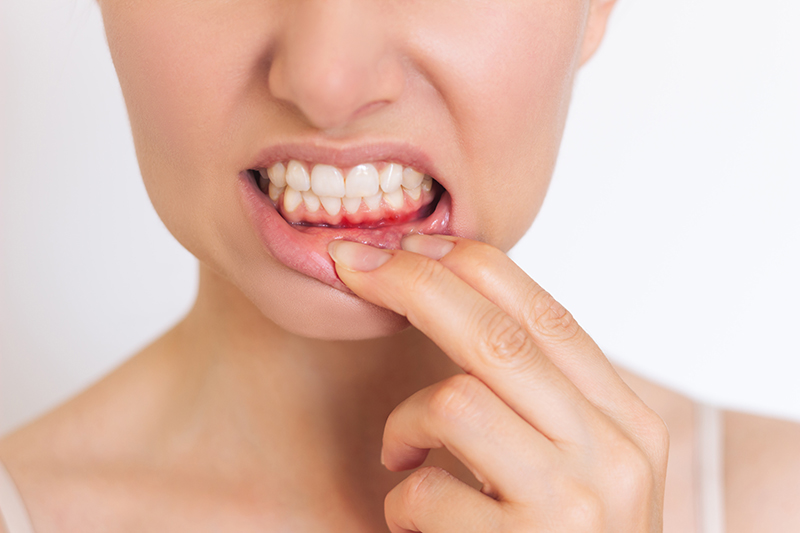 Gum disease, also known as periodontal disease, is a common oral health issue that can lead to serious consequences if left untreated. The good news is that with proper care and attention to your oral hygiene, you can significantly reduce the risk of developing gum disease. In this blog, we'll explore practical and effective prevention tips to help you maintain healthy gums for a lifetime. 1. Commit to a Consistent Oral Care Routine The foundation of gum disease prevention lies in a diligent and consistent oral care routine. Brush your teeth at least twice a day using fluoride toothpaste, paying careful attention to the gumline and all surfaces of your teeth. Don't forget to floss daily to remove plaque and debris from between your teeth where your toothbrush may not reach. 2. Choose the Right Tools for the Job Selecting the right oral care tools is crucial for effective gum disease prevention. Use a soft-bristled toothbrush to avoid damaging your gums and enamel. Consider an electric toothbrush, which can be more effective at removing plaque. When it comes to flossing, find a method that works for you—whether it's traditional dental floss, floss picks, or interdental brushes. 3. Regular Dental Check-ups...
  Happy New Year from the Inland Family Dentistry team! Last year marked the 20th anniversary of Inland Family Dentistry, and we look forward to continuing to provide your dental care in the future. First, we would like to thank Dr. Samantha Kofler for dedicating five years to serving our patients. Dr. Kofler is leaving the practice to care for her family. We wish her the very best. As we look to the future, and our dedication to serving your dental needs to the fullest, we are thrilled to introduce Dr. Yvonne Morgan. Dr. Yvonne Morgan discovered her love for dentistry while watching her twin brother undergo full mouth rehabilitation due to a congenital issue that left him without 15 adult teeth. Following that experience, she shadowed a prosthodontist and realized how artistic and life-changing dentistry could be. Dr. Morgan attended Oregon Health Science University, graduating with honors. In addition to practicing a broad scope of general dentistry for the past five years, Dr. Morgan has expanded into helping patients manage myofacial pain and grinding/clenching disorder with neuromodulator (Botox). She has a particular affinity for endodontic therapy and oral surgery. She loves connecting with patients and appreciates the opportunity to earn...
  Give yourself a big old smile in the mirror. You can see that beautiful, complete set of teeth. Now, imagine that same smile with one or more of those teeth missing. Consider how challenging it would become to talk or eat without some of your teeth. While smiles with teeth missing are adorable in children around six that’s mostly because we know what’s coming in behind that set of baby teeth. However, as a teenager or adult losing a tooth or multiple teeth isn’t quite as charming. That’s why as dentists we recommend the use of a mouthguard for anyone who participates in organized sports or other recreational activities What Do Mouthguards Do? Mouthguards are primarily used for the purpose of protecting the mouth. They’re designed to go over the top row of your teeth and help minimize the risk of broken teeth and other injuries to the soft tissues in the mouth (lips, gums, tongue) by cushioning the blow from any direct impact. When Should You Wear a Mouthguard While mouthguards are most commonly used for contact sports like football and boxing, it’s often overlooked in non-contact sports. Sports like weight lifting and others can result in significant teeth...
 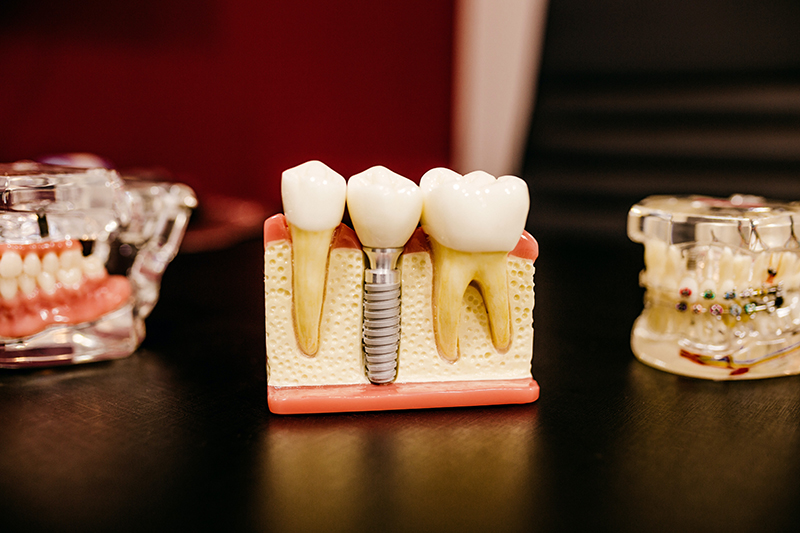 Your mouth and teeth more specifically will undergo a lot of changes over the years. As humans we are all born with a complete set of teeth that are simply recessed in the jaw. Beginning at the age of six your child will begin losing their baby teeth to make way for adult teeth. Around the age of six the first set of molars become visible and then around the age of 12 the second set of molars will appear. At the age of 17 adults will get their final set of adult teeth, commonly called wisdom teeth. These teeth are in fact a third set of molars, and earn their name “wisdom teeth” because of the age that they emerge in the mouth. What to Expect Anthropologists believe that while wisdom teeth were necessary for our ancestors to chew given their standard diet of nuts, roots, and meat, humans have evolved beyond needing them. In addition, scientists believe that our jaws have evolved and become smaller over time as well. Since wisdom teeth are the last to emerge in the mouth, and given the smaller jaw of most people, there may not be enough space for wisdom teeth to...
 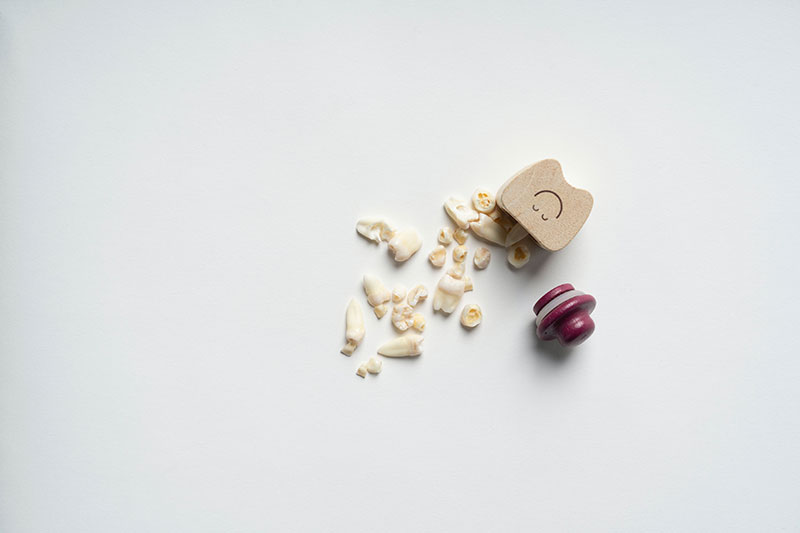 If you’ve got little ones running around the house, you’ve already been through the teething stage, or perhaps that’s just starting. Whatever your parenting situation might be you’re most likely in for several years of caring for a set of baby teeth. As you work to help instill good dental habits for your kids, in addition to encouraging daily brushing, here are a few things that we think every parent should know about baby teeth. Children Are Born with Teeth Although children when they’re born don’t have any visible teeth, that doesn’t mean they weren’t born with any. In fact, children are born with 20 baby teeth that just haven’t erupted yet. Eruption is what occurs when the baby teeth begin to break through the surface of the gums. This process is known as teething and typically begins around the age of 6 months. The first teeth to erupt are usually the bottom two teeth also called the incisors. Spacing Between Teeth is Normal As children’s teeth begin to appear, they are likely to have lots of space between their teeth so don’t be concerned. This is very common and actually a great sign for future dental health. The spacing...
  While we certainly hope that a dental emergency never occurs for our patients, the truth is that life is unpredictable and sometimes unexpected things can happen. Just as with everything else in life, having proper information is key when these types of events occur. To ensure that our patients are best prepared to handle these occasions, we’re touching on a few of the basics surrounding dental emergencies. What Is a Dental Emergency? The most basic definition of a dental emergency is any dental problem that requires immediate treatment to stop bleeding, alleviate severe pain, or help prevent the permanent loss of the tooth. In dental emergencies it’s important that you get in to see a dentist as soon as possible. At Inland Family Dentistry we always have a dentist on call, and after hours you can call our office at 509-525-7250 and select option 2 to leave a message and have one of our doctors return your call. What Types of Events Might be Classified as Dental Emergencies Knocked Out Tooth – in the event that your adult permanent tooth is knocked out you want to do the best you can to keep the tooth moist and prevent it from...
 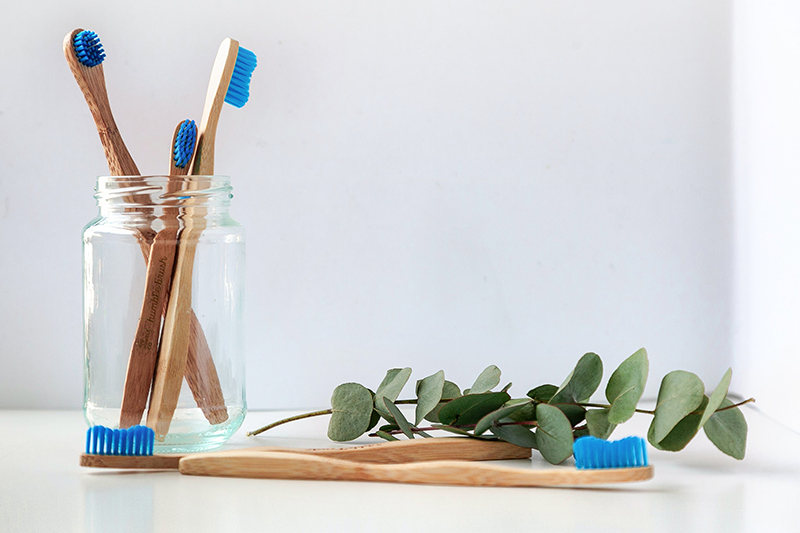 It’s not uncommon for those who don’t spend their day immersed in the dental world to have questions about the field. It’s normal to be curious and we definitely encourage patients to ask questions that will help keep them informed about how they can help ensure a healthy mouth for themselves and their families. We’ve highlighted some of the most frequently asked questions we hear from patients. Is an electric toothbrush better than a manual toothbrush? Both electric and manual toothbrushes will clean your teeth. The best way to ensure a good clean is by taking your time - you should be brushing for 2-3 minutes. Take this time to clean all of the surfaces in your mouth thoroughly. Patients may find that manual toothbrushes that have varying bristle heights help to loosen plaque are more effective, but we recommend choosing the brush that works best for you. It is important to make sure that you’re choosing the correct brush strength and using the right pressure to ensure you don’t cause damage to your gums. What type of toothpaste should I use? Most toothpastes on the market are going to clean your teeth. They’ll help rid your mouth of bacteria...