
Welcome to the Inland Family Dentistry dental blog. Walla Walla is home to our practice, and this is the space where we share friendly, helpful information about keeping your teeth and gums healthy. Whether you are curious about what happens during a routine cleaning, wondering how nutrition affects your smile, or looking for tips to help your kids feel comfortable at their next visit, you will find articles here written with real families in mind. We believe good dental care starts with good information, and we want this to be a resource you can trust.
New here? Learn more about our team and the services we offer, including general dentistry, hygiene, and pediatric dentistry. You can also explore trusted oral health resources from the American Dental Association.
 Tooth decay, more commonly referred to as cavities, are one of the most common dental problems in the world today – especially in children. Cavities are permanently damaged areas in the hard surface or enamel of your teeth. If left untreated cavities can become larger in size and eventually they will begin to affect deeper layers of the tooth. What Are the Symptoms of Tooth Decay It’s not uncommon for patients who are dealing with cavities to experience zero symptoms prior to diagnosis by a dentist. However, warning signs of this particular dental issue might present in the following ways: Tooth pain Tooth sensitivity Pain when you bite down or brush Visible holes or pits in your teeth What Causes Tooth Decay Tooth decay is a process that occurs over time. Unlike a chipped or cracked tooth, the route to a cavity can take several months or years. The decay is caused when plaque, a clear sticky film, forms on the tooth. Plaque occurs when sugars and starches from things that we eat and drink aren’t properly cleaned off the teeth. (https://www.nidcr.nih.gov/health-info/tooth-decay/more-info/tooth-decay-process) Over time, the acids in the plaque will begin to attack the tooth, eating away at the hard,...
  Ever gasped in pain after taking a sip of a delicious hot beverage? Have you ever had to stop eating a bowl of ice cream because your teeth just couldn’t handle the cold? While these types of pain can be the sign of a cavity, other times it could be a sign that you’re suffering from sensitive teeth. Tooth sensitivity by definition is exactly how it sounds – a painful condition that occurs when the inner layer of the tooth (dentin) becomes exposed. Dentin hypersensitivity is the official name of tooth sensitivity and it can affect one, multiple teeth or all the teeth depending on the patient. This type of oral issue can be both a temporary or chronic problem, but the good news is that it’s easy to treat and can often be solved with simple adjustments to your oral hygiene routine. Symptoms of Sensitive Teeth You’re likely to know if you’re suffering from sensitive teeth as you’ll experience pain or discomfort when your teeth are exposed to various stimuli. The most common triggers in patients are hot and cold foods or beverages, cold air, sweet or acidic foods, brushing and flossing, and alcohol-based mouth rinses. The sensitivity may...
  As 2021 gets started, we know it’s common to set nutrition goals for you and other members of your family. As you know, and we cover often, the food you eat can play a significant role in your oral health. This is true for both adults and kids alike. That’s why we’re talking about some of the best foods you can give your kids to snack on that also are likely to help keep their teeth healthy. Crunchy Fruits and Vegetables Fruits and vegetables are a great source of vitamins and minerals for your children’s entire bodies. They’re also high in fiber which is great for teeth. As an added bonus, chewing these hard and crunchy (tasty too) foods can give an additional scrub to your kids teeth helping to remove particles of food. Nutritious and good for your teeth! Need some specific suggestions? Apples and celery with peanut butter can be a great choice, or carrots and broccoli with a hummus dip can be another excellent choice. While citrus fruits can be a great snack time option as well, it’s important to remember that they do contain citric acid which can damage tooth enamel if there is prolonged exposure....
  It’s widely documented that tobacco use is the leading cause of preventable disease and death in the United States. According to the CDC nearly 40 million adults in the United States still smoke cigarettes and about 4.7 middle and high school students use at least one tobacco product, including e-cigarettes. While many are familiar with the cancer-causing properties of tobacco and tobacco products, the impact that these products have on your overall oral health can be just as detrimental. Here are just a few ways that these products can impact your mouth and why it’s important to see a dentist regularly. Cavities – tobacco use in general causes damage to your tooth enamel. Chewing tobacco especially has a lot of sugar in it which erodes the enamel at the tooth root and causes cavities to develop. Users of smokeless tobacco products are four times as likely to develop cavities than those who don’t use chewing tobacco or snuf. The more frequently the tobacco product is used, the higher the risk of developing this type of damage. Gum Disease – Gum disease which is also known as periodontal disease is an infection that forms in the gums and if left untreated...
  With the end of 2020 rapidly approaching many of us are already looking towards 2021 with excitement. As you look at the new year ahead we wanted to put together a list of dental best practices to serve as a guide to help you build a great dental routine and ensure good oral health in the year to come. Brush Twice A Day This is the age old saying, but that’s because it’s the truth. In order to give yourself the best chance at a healthy mouth you should be brushing your teeth at least twice a day. Each brushing should take about two minutes and be sure to get both the inside and outside. Floss Daily Adding flossing into your daily routine is another great way to prevent gum disease and help ensure good overall health. Flossing tends to be one of the first things to go in a daily routine as schedules become rushed or you’re just over-tired and ready for bed. However, we’ve curated some great tips on ways to make flossing easier and we hope you’ll add this to your to do list for the year. Don’t Forget Your Tongue Another often overlooked place in the...
  Halloween this year looked a little different for most families but it’s likely that candy and other tasty treats were still consumed in large quantities around the world. Most people know the negative impact that candy can have on oral health, but many aren’t aware there are other foods that can be just as detrimental in the long run. We’ve outlined some foods to watch out for to make sure that you and your kids have healthy smiles. Chips – It doesn’t usually matter which kind of chip as for all kinds it can be hard to eat just one. The salty flavor mixed with that satisfying crunch is hard to pass up. However, these types of foods are also really high in starch. The starch from the chips and the chip particles themselves can get stuck in your teeth. Make sure you’ve got floss nearby to clean out your teeth after enjoying a handful or two. Ice – It can be tempting to crunch down on a few pieces of ice that get left in your glass of water or soda. However, chewing on a hard food like ice can leave you susceptible to a dental emergency like a...
 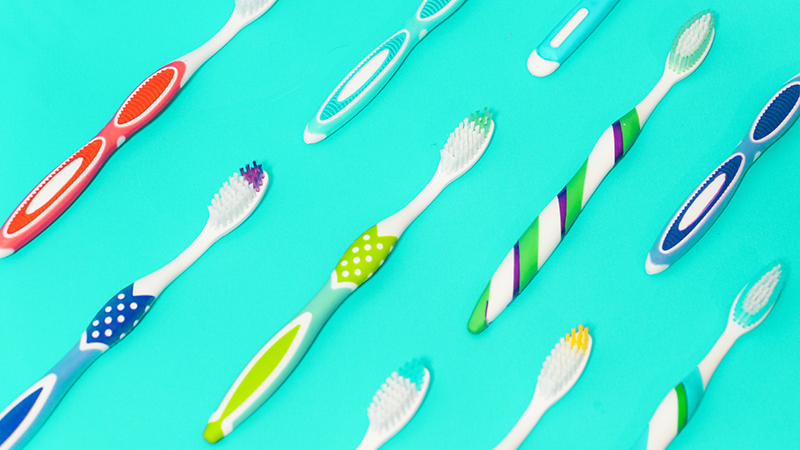 If you’re like most of the population, the chances that your toothbrush is resting on your counter or nestled in a drawer are pretty high. If this is you, then the odds are good that you’ve wondered a time or two about just how clean your toothbrush might be. Below we’ve got some helpful tips on how to make sure your toothbrush is clean and how you’ll know when it’s time for a replacement. Store it in open air Contrary to how you might feel about placing a cover over your toothbrush to protect it from germs, it’s actually best to store your toothbrush upright in a clean holder or cup where it can be exposed to the open air. The ADA recommends this to prevent the growth of unwanted bacteria. Give your toothbrush space If your toothbrush is being stored with others then make sure there is space between them. This will help prevent cross contamination from one toothbrush to another. Rinse It Thoroughly Make sure that after every use you give your toothbrush a good rinse to dislodge any remaining toothpaste or food particles. We recommend using warm water rather than cold. Some people may opt to use...
 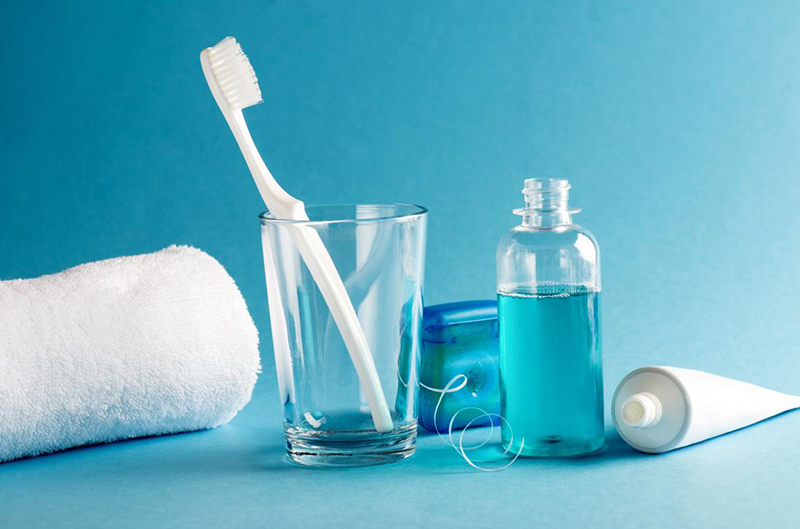 Fluoride is one of those medical topics that can be hotly disputed. There are those who say it’s absolutely terrible for you and recommend avoiding it; however, the truth is fluoride is great for oral health. The benefits of fluoride are why as a parent you’ve likely had both your pediatrician and dentists offer fluoride treatments for your children and recommend the use of it in toothpaste. Our hope is to provide facts about fluoride that will provide better understanding for those who might be searching for information. What Is Fluoride? Fluoride is a mineral that is naturally released by rocks into the soil, water, and air. While most water contains some natural fluoride, according to the Centers for Disease Control (CDC) the natural amount is not typically enough to prevent tooth decay. Where Might I Find Fluoride? Fluoride, while a naturally occurring mineral, is also produced and added to a variety of products such as water, toothpaste, mouthwashes, and dental products. What Are the Benefits of Fluoride? The American Dental Association has long been an advocate of fluoride treatments, including adding it to municipal water supplies. This is because fluoride in water is one of the most efficient ways...
 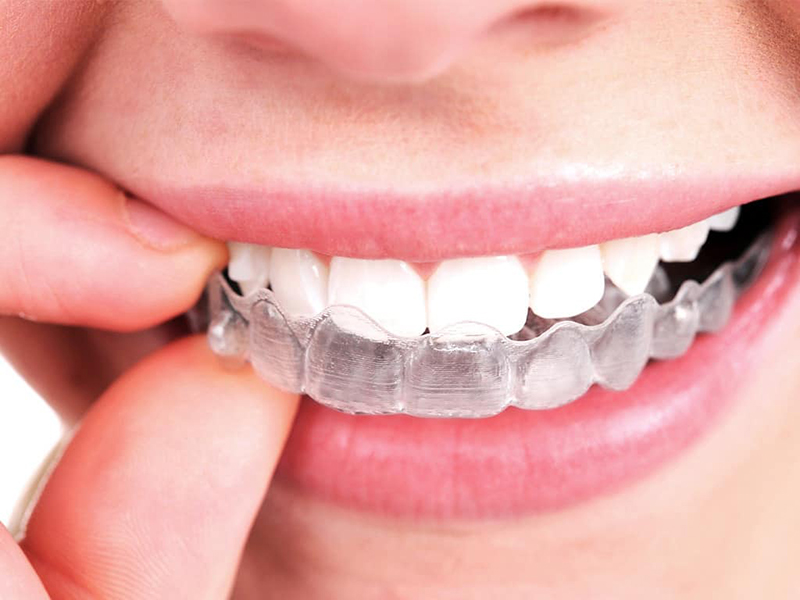 When people think of straightening their teeth, it’s most common to think of the traditional metal brackets that you see gracing the smiles of many adolescents, teens, and adults. However, as technology has improved so have the options, which is why Invisalign clear braces have become an excellent option for people of all ages. If you or someone in your family are considering treatment options to fix your dental issues, then Invisalign could be a great option to pursue. For those who are interested in clear braces as an option, we’ve compiled a list of benefits. 1. They Fix A Number of Dental Issues – Typically, when braces become part of the treatment plan for your dental journey it’s to improve your overall oral health. Of course, when you’re considering braces, you want to make sure that the treatment option you choose is actually effective. Invisalign is a state of the art technology that has been proven to fix a wide variety of dental problems such as: overcrowding, over bite, under bite, open bite, gap teeth, and more. 2. You Can Remove Them - The traditional metal brackets that most people think of when it comes to orthodontics, aren’t removable....
 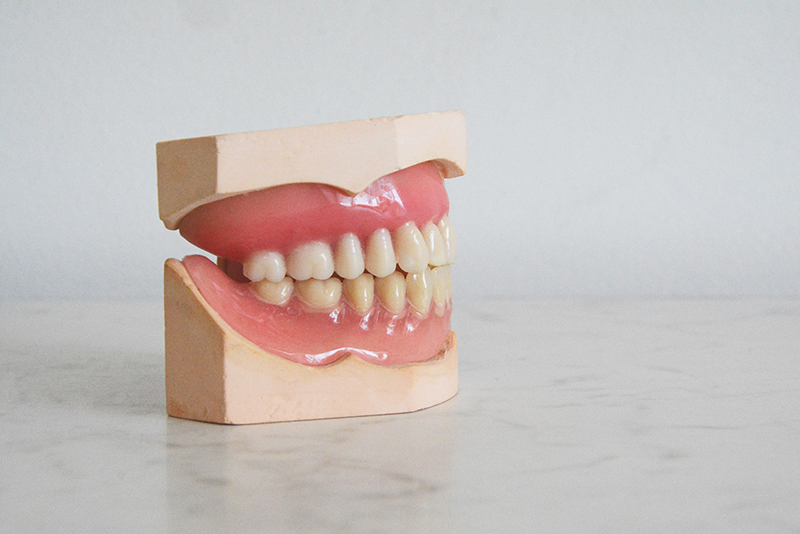 What is gum disease is a question that you might be asking yourself. Perhaps your friend mentioned they’re dealing with it or your dentist discussed it briefly with you at your last visit as something to watch out for. Whatever your reason, we’re here to give you great information that can help. Gum disease, or periodontitis as it’s known more formally, begins with a bacterial growth in your mouth. The disease starts when bacteria grow on the surface of the tooth and the pockets of tissue around the teeth. The immune system responds to the bacteria resulting in inflammation. If the bacterial growth goes untreated then the process begins to break down the connective tissues around the teeth and can result in tooth loss. Gingivitis and Its Connection to Gum Disease One of the precursors to gum disease is often gingivitis which is an inflammation of the gums. Gingivitis is typically caused by the buildup of plaque and bacteria around the gums and this causes them to become inflamed and to easily bleed during brushing or dental treatments. At this stage though, you can still treat the gingivitis before it progresses to full periodontitis or gum disease. Causes of Gum...