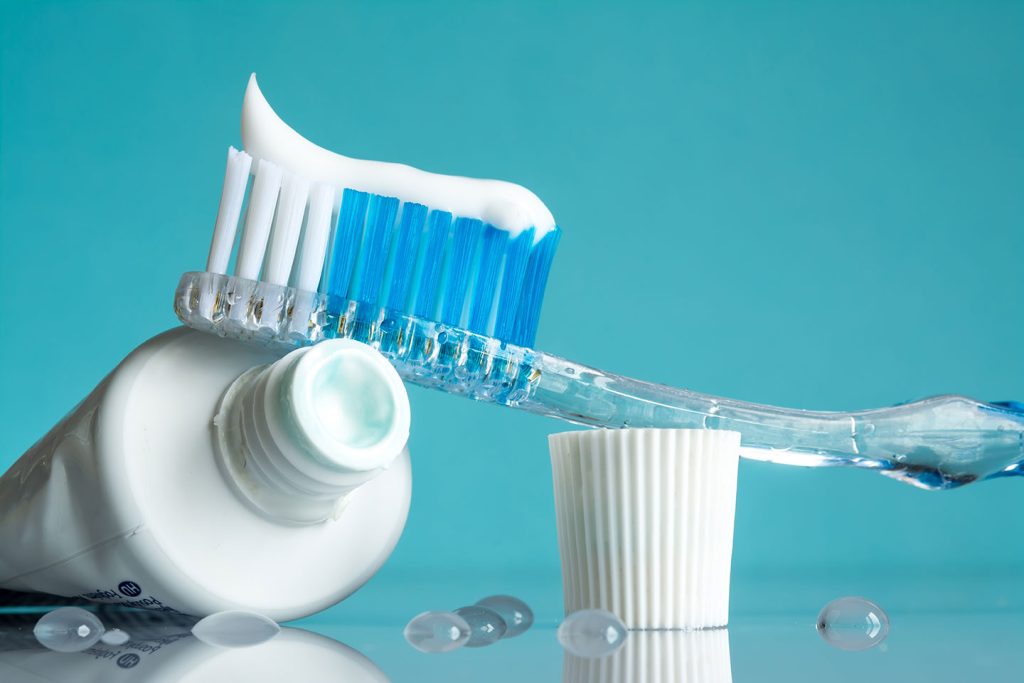
When it comes to maintaining good oral hygiene, two of the most essential tools are your toothbrush and toothpaste. But with countless options available on the market, how do you choose the right ones for your specific needs? This guide will help you navigate through the sea of choices and make informed decisions for your dental health.
Selecting the Perfect Toothbrush
Manual vs. Electric: Which is Better?
Both manual and electric toothbrushes can be effective when used correctly. The choice often comes down to personal preference and individual needs.
Manual Toothbrushes:
Pros: Inexpensive, portable, no charging required
Cons: Requires more effort for proper technique
Electric Toothbrushes:
Pros: Can be more effective at removing plaque, often have built-in timers
Cons: More expensive, require charging or battery replacement
Tip: If you have arthritis or limited manual dexterity, an electric toothbrush might be easier to use.
Bristle Types: Soft, Medium, or Hard?
Dentists generally recommend soft-bristled toothbrushes for most people.
Soft bristles: Gentle on gums and enamel, effective at removing plaque
Medium bristles: May be too abrasive for some, can lead to enamel wear
Hard bristles: Not recommended as they can damage gums and enamel
Tip: If you’re a vigorous brusher, stick with soft bristles to protect your teeth and gums.
Toothbrush Head Size
Choose a toothbrush head that allows you to easily reach all areas of your mouth.
For adults: Look for a toothbrush head that’s about a half-inch wide and one-inch tall
For children: Smaller heads are better suited for their smaller mouths
Tip: If you have a small mouth or find it difficult to reach your back teeth, consider a toothbrush with a compact head.
Handle Design
- The handle should feel comfortable in your hand and allow for easy maneuvering.
- Non-slip grips can be helpful, especially if you brush in the shower
- Flexible necks may help reach difficult areas
- Angled heads can make it easier to reach back teeth
Tip: If you have arthritis, look for a toothbrush with a larger, easier-to-grip handle.
When to Replace Your Toothbrush
Replace your toothbrush or electric toothbrush head every 3-4 months, or sooner if the bristles become frayed.
Tip: Many toothbrushes now come with color-changing bristles that fade when it’s time for a replacement.
Choosing the Ideal Toothpaste
Understanding Toothpaste Ingredients
Key ingredients to look for in toothpaste include:
Fluoride: Helps prevent tooth decay by strengthening enamel
Abrasives: Aid in removing plaque and surface stains (e.g., calcium carbonate, silica)
Detergents: Create foaming action to help distribute the toothpaste (e.g., sodium lauryl sulfate)
Humectants: Keep toothpaste from drying out (e.g., glycerol, sorbitol)
Flavoring agents: Improve taste (e.g., peppermint oil, spearmint oil)
Tip: Always check for the ADA (American Dental Association) Seal of Acceptance on your toothpaste, which ensures it has been tested for safety and effectiveness.
Addressing Specific Dental Needs
Different toothpastes cater to various dental concerns:
Cavity Prevention: Look for fluoride toothpastes, which are effective for most people.
Sensitivity: Toothpastes containing potassium nitrate or strontium chloride can help reduce sensitivity to hot and cold.
Whitening: These contain mild abrasives and chemical agents to remove surface stains. Be cautious of overuse, as they can be abrasive.
Gum Health: Toothpastes with stannous fluoride or triclosan can help reduce gingivitis.
Tartar Control: These contain pyrophosphates or zinc citrate to prevent the buildup of tartar.
Natural/Herbal: These often use ingredients like neem, eucalyptus oil, or green tea extract. Ensure they still contain fluoride for cavity protection.
Tip: If you have multiple concerns, consider alternating between different types of toothpaste or look for a product that addresses multiple issues.
Toothpaste for Children
- When choosing toothpaste for children, consider the following:
- For children under 3: Use a smear of fluoride toothpaste (about the size of a grain of rice)
- For children 3-6: Use a pea-sized amount of fluoride toothpaste
- Look for kid-friendly flavors to encourage regular brushing
- Avoid toothpastes with harsh abrasives
Tip: Supervise young children while brushing to ensure they don’t swallow toothpaste.
Special Considerations
Allergies: If you have allergies, carefully check the ingredient list. Some people may be sensitive to ingredients like flavoring agents or preservatives.
Dry Mouth: Look for toothpastes specifically formulated for dry mouth, which often contain moisturizing agents.
Sodium Lauryl Sulfate (SLS) Sensitivity: If you experience canker sores frequently, you might want to try an SLS-free toothpaste.
Prescription Toothpastes: For severe decay risk or extreme sensitivity, your dentist may prescribe a high-fluoride toothpaste.
The Importance of Proper Brushing Technique
Remember, even the best toothbrush and toothpaste won’t be effective without proper brushing technique:
- Brush for at least two minutes, twice a day
- Hold the brush at a 45-degree angle to the gums
- Use gentle, circular motions
- Don’t forget to brush your tongue
Tip: Many electric toothbrushes come with built-in timers to ensure you brush for the full two minutes.
Conclusion
Choosing the right toothbrush and toothpaste is an important step in maintaining good oral health. Consider your specific needs, consult with your dentist if you have concerns, and don’t be afraid to try different products until you find the combination that works best for you. Remember, the best toothbrush and toothpaste are the ones you’ll use consistently as part of a good oral hygiene routine.
By taking the time to select the right tools and using them properly, you’re investing in your smile and overall health. Happy brushing!