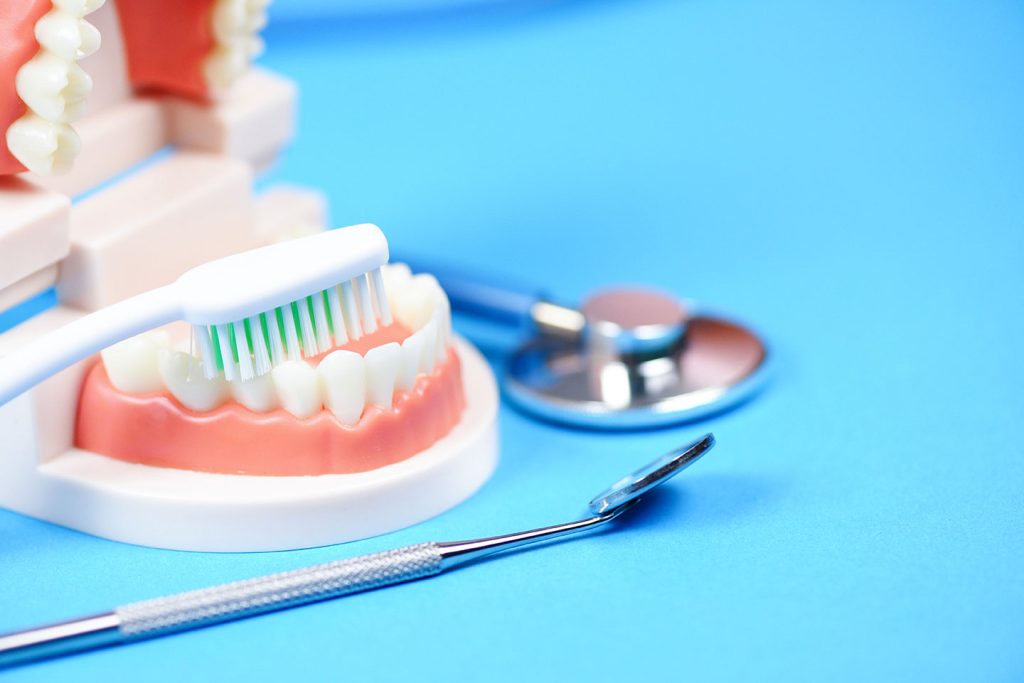
Cavities, also known as tooth decay, are one of the most common dental issues people face. They form when acids produced by bacteria in your mouth erode the enamel, leading to holes or “cavities” in the teeth. While cavities are common, they are entirely preventable with the right care and habits. In this blog, we’ll explore the top tips for keeping your teeth healthy and cavity-free.
1. Brush Your Teeth Twice a Day
Brushing your teeth twice a day is the foundation of good oral hygiene and one of the best defenses against cavities. When you brush, you remove the plaque—a sticky film of bacteria that forms on your teeth after eating or drinking. If left on your teeth, plaque can produce acids that erode enamel, leading to cavities.
Here are some tips for effective brushing:
Use a fluoride toothpaste: Fluoride helps strengthen enamel and makes your teeth more resistant to decay.
Brush for two minutes: Make sure you’re brushing long enough to thoroughly clean all surfaces of your teeth.
Use a soft-bristled toothbrush: A soft-bristled brush is gentle on your gums and teeth, preventing damage while effectively removing plaque.
2. Don’t Forget to Floss
Flossing is just as important as brushing because it reaches areas between your teeth that a toothbrush can’t. Plaque and food particles can get trapped between teeth, and if not removed, they can lead to cavities and gum disease.
Daily flossing helps remove this buildup and prevents decay from forming in those hard-to-reach spots. If traditional floss is difficult to use, consider trying floss picks or water flossers, which can be easier to maneuver and just as effective.
3. Limit Sugary and Acidic Foods
Diet plays a huge role in cavity prevention. Sugary and acidic foods feed the harmful bacteria in your mouth that produce cavity-causing acids. The more sugar you consume, the more acid these bacteria produce, leading to faster enamel erosion.
To protect your teeth:
Limit sugary snacks and drinks: This includes candy, soda, and sugary juices. If you do indulge, try to rinse your mouth with water afterward to minimize the acid exposure.
Avoid frequent snacking: Each time you eat, the bacteria in your mouth produce acids. By limiting snacking throughout the day, you reduce the amount of acid your teeth are exposed to.
Choose healthy alternatives: Opt for snacks like fruits, vegetables, cheese, and nuts, which can help keep your teeth strong and healthy.
4. Drink Plenty of Water
Water is not only essential for overall health, but it’s also great for your teeth. Drinking water helps wash away food particles and bacteria from your mouth, reducing the risk of plaque buildup. It also helps neutralize acids that can lead to tooth decay.
5. Chew Sugar-Free Gum
Chewing sugar-free gum can be a great way to protect your teeth between meals. Gum stimulates saliva production, which helps rinse away food particles and neutralize acids in your mouth. More saliva means less risk of cavities, as it helps strengthen enamel and repair the early stages of tooth decay.
Look for sugar-free gum that contains xylitol, a natural sweetener that can help reduce cavity-causing bacteria.
6. Visit Your Dentist Regularly
Regular dental checkups are essential for maintaining a cavity-free smile. Your dentist can catch early signs of decay before they become serious problems and provide professional cleanings to remove plaque and tartar buildup that at-home brushing can’t reach.
During these visits, your dentist may also recommend fluoride treatments or dental sealants. Fluoride treatments provide extra protection for your enamel, while sealants are thin coatings applied to the chewing surfaces of your back teeth, helping prevent food and bacteria from getting trapped in deep grooves.
It’s important to visit your dentist at least twice a year, even if you think your teeth are in good shape. Preventative care can save you from more extensive and costly treatments down the road.
7. Avoid Tobacco Products
Tobacco use, including smoking and chewing tobacco, is not only harmful to your overall health but also significantly increases your risk of cavities and gum disease. Tobacco products reduce saliva flow, making it easier for bacteria to thrive in your mouth.
In addition to increasing the risk of tooth decay, smoking or using tobacco products can lead to stained teeth, bad breath, and a heightened risk of oral cancer. Quitting tobacco can dramatically improve your oral health and reduce the likelihood of cavities.
8. Eat Foods That Promote Oral Health
Certain foods can help strengthen your teeth and protect against cavities. Dairy products, such as milk, cheese, and yogurt, are rich in calcium and phosphorus, which help remineralize your enamel. Crunchy fruits and vegetables, like apples and carrots, stimulate saliva production and help clean your teeth naturally.
Incorporating these cavity-fighting foods into your diet can go a long way in keeping your smile healthy.
9. Use Mouthwash
Adding mouthwash to your daily routine can give your teeth extra protection against cavities. Mouthwash helps strengthen enamel, reduces plaque buildup, and can reach areas in your mouth that brushing and flossing might miss. Rinsing with mouthwash after meals or before bed can help protect your teeth from decay.
Cavity Prevention Starts With Good Habits
Preventing cavities is all about maintaining good oral hygiene and being mindful of your diet and habits. By brushing and flossing daily, visiting your dentist regularly, and making smart dietary choices, you can protect your teeth from decay and keep your smile healthy for years to come. Small changes in your routine, like chewing sugar-free gum or drinking more water, can make a big difference in your overall oral health.
Taking care of your teeth not only helps prevent cavities but also improves your overall well-being. Start incorporating these tips into your daily routine today to keep your teeth strong and cavity-free!