IFD News
 When we talk about a child’s health, the conversation often centers around nutrition, sleep, physical activity, and emotional well-being. Parents routinely track milestones like first words, growth spurts, and school readiness. But one area that often doesn’t get the attention it deserves is oral health. It’s easy to see why. Baby teeth fall out, cavities seem like a minor inconvenience, and many assume dental visits can wait until something “feels wrong.” Yet, what happens in a child’s mouth doesn’t stay there. Oral health is not a side note—it’s deeply connected to a child’s physical, emotional, and social development. So, let’s talk about why dental care should never be left out of the health conversation. The Mouth Is the Gateway to the Body We often forget that the mouth is part of the body’s internal system. It’s where digestion begins. It’s how we communicate. It’s also one of the first places signs of illness can appear. Poor oral health has been linked to systemic conditions like heart disease, diabetes, and respiratory issues—not just in adults, but in children too. When plaque builds up and gums become inflamed, harmful bacteria can enter the bloodstream, potentially impacting other parts of the body. Cavities,...
 April 21, 2025
10 Brushing Mistakes You May Be Making
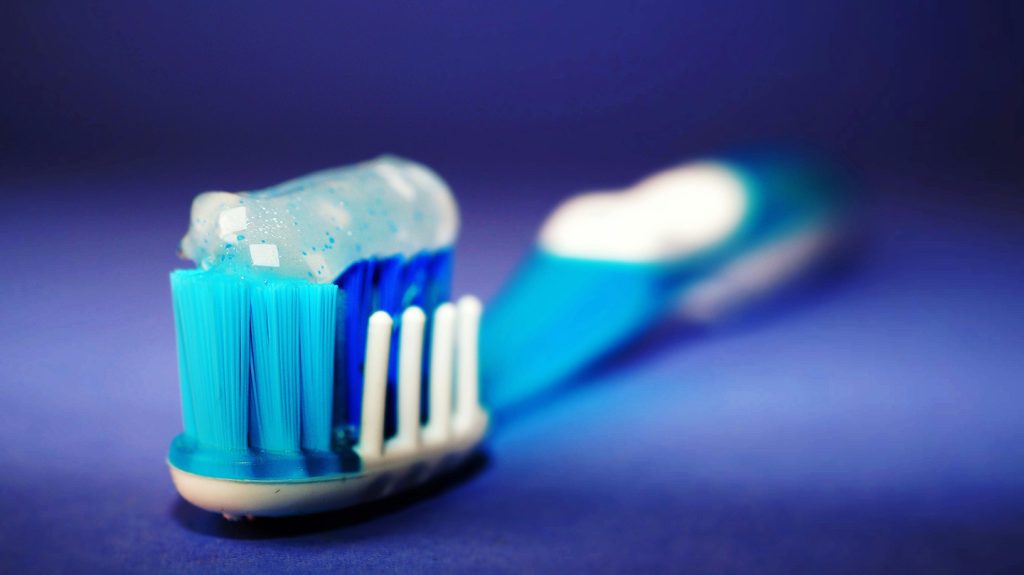 Brushing your teeth is a habit you likely learned as a child, but that doesn't mean you're doing it correctly. Many people unknowingly make brushing mistakes that can contribute to cavities, gum disease, and enamel erosion. Simply brushing twice a day isn't enough—using the right techniques, tools, and habits is crucial for maintaining good oral health. In this article, we'll explore common brushing mistakes and how to fix them. Using the Wrong Toothbrush Not all toothbrushes are created equal, yet many people don't think twice about the type they use. A common mistake is choosing a toothbrush with hard bristles, assuming that firmer bristles clean teeth more effectively. However, hard bristles can wear down enamel and irritate the gums, leading to long-term damage. Similarly, using a toothbrush with an oversized head can make it difficult to reach the back molars, leaving plaque and bacteria behind. The ideal toothbrush should have soft bristles and a small to medium-sized head to ensure it reaches all areas of the mouth. Many dentists recommend electric toothbrushes, as they remove plaque more efficiently than manual ones. If you find yourself brushing too aggressively, an electric toothbrush with a pressure sensor can help by alerting you...