IFD News
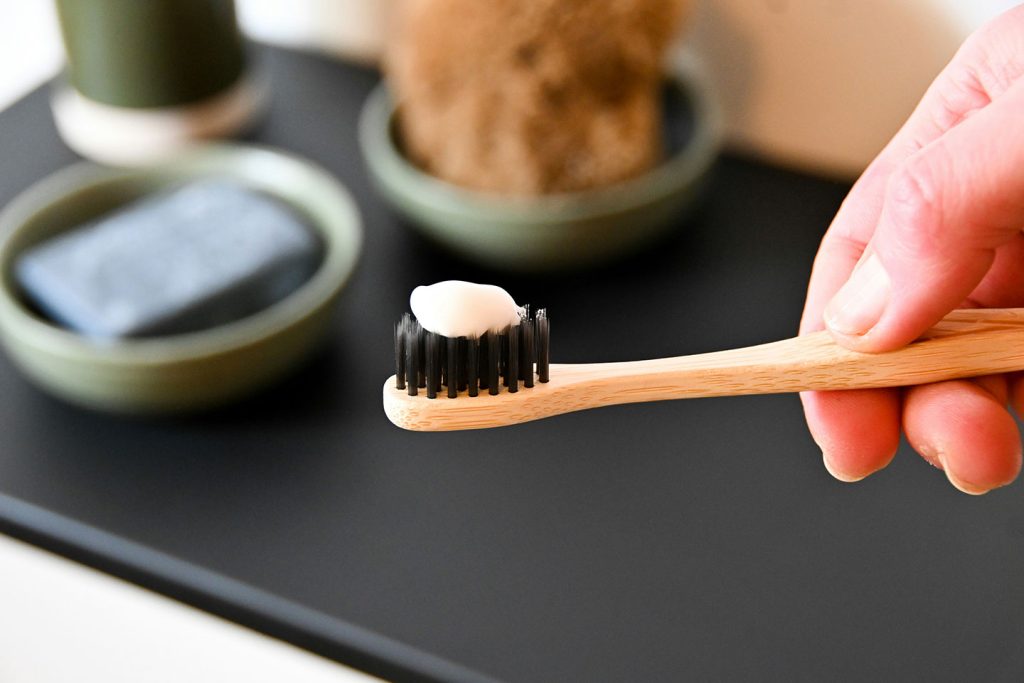 When we think about dental health, most of us immediately picture brushing, flossing, and regular dental checkups. While those habits are essential, there’s another layer to the story, one that goes beyond your toothbrush. What you eat, whether you smoke, and how you live day to day have a powerful impact on your teeth and gums. In fact, lifestyle choices can either protect your oral health for the long haul or quietly undo even the best brushing routines. Let’s explore how your daily habits, from your diet to smoking and everything in between, shape the health of your smile. Your Diet: Feeding Your Body... and Your Bacteria The phrase “you are what you eat” rings especially true when it comes to your mouth. Your teeth and gums are on the front lines of everything you consume, and what you feed your body also feeds the bacteria in your mouth. Sugars are the biggest culprit. Every time you eat something sugary, from candy to juice to processed carbs, the bacteria in your mouth get to work. They feed on those sugars and produce acid, which wears away your enamel. Over time, this leads to cavities and tooth decay. It’s not just...
 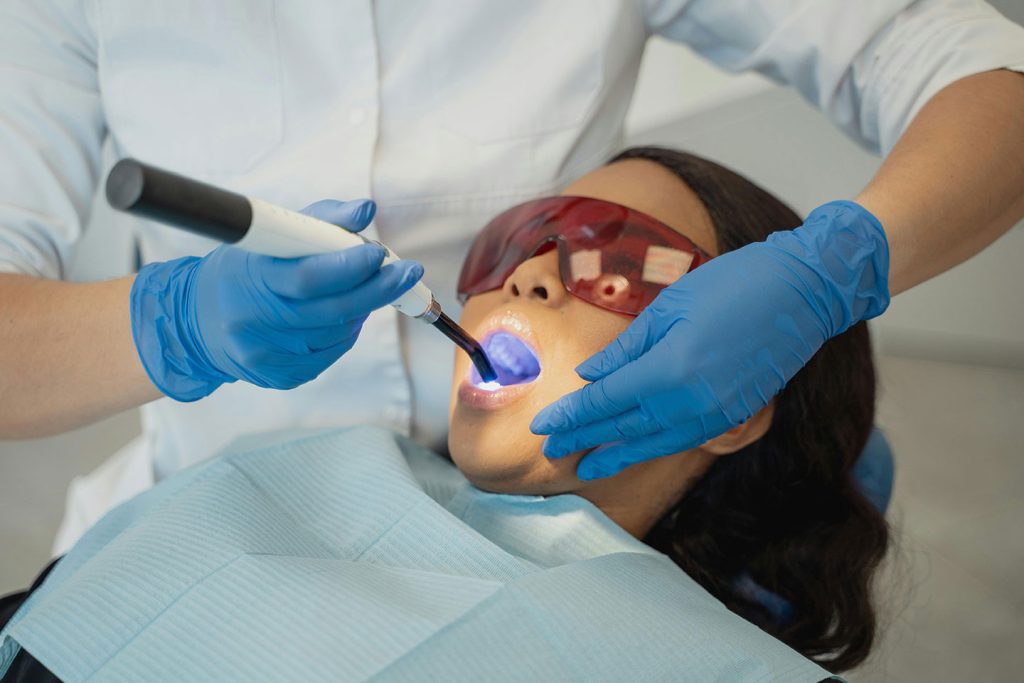 If you’ve ever felt nervous walking into a dental clinic, unsure about what’s going to happen or what your dentist is even talking about, you’re not alone. Dental visits have a reputation for being uncomfortable, not just because of the treatments, but often because of the communication gap between the patient and the professional. Great dental care isn’t just about cleanings and fillings. It’s about building trust. It’s about being heard, understood, and treated like a person, not just a chart number or a set of teeth. What patients really want is simple: someone who talks to them like a human, explains things clearly, and creates a space where they feel calm, respected, and involved in their own care. Take, for example, something as common as a cavity. When most people hear that they need a filling, their first thought is often, "Is it serious?" or "Will it hurt?" In those moments, the last thing anyone wants is a long-winded explanation filled with clinical terms. What helps instead is a dentist who takes the time to explain it like this: “You have a small hole in your tooth, likely caused by bacteria from sugars in food. If we leave it,...