IFD News
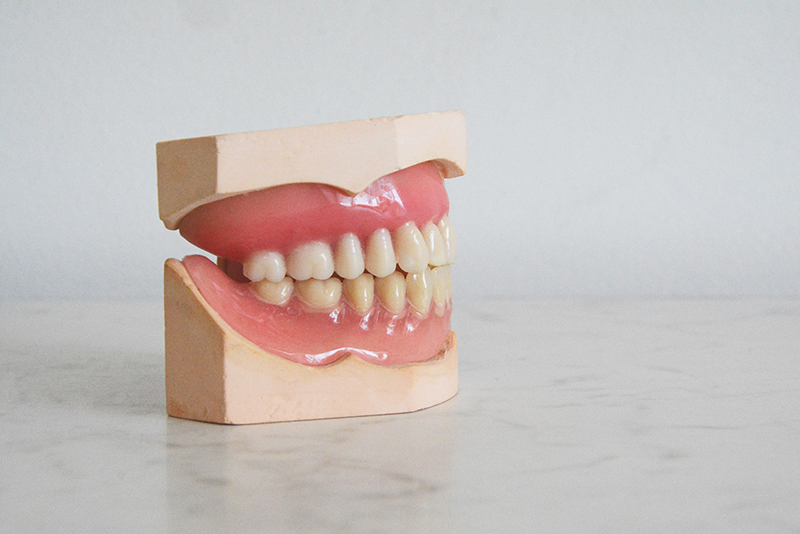 You might not even realize it, but your teeth could be working overtime while you sleep. Teeth grinding, also known as bruxism, is a common condition that affects millions of people worldwide. Often occurring at night, this unconscious habit can have serious consequences for your oral health and overall well-being. Understanding the causes of bruxism and how to address it is the first step in protecting your smile. What Is Bruxism? Bruxism refers to the involuntary clenching or grinding of teeth. While it typically happens during sleep, it can also occur during the day, often as a response to stress or deep concentration. Occasional grinding may seem harmless, but chronic bruxism can lead to significant damage to your teeth, gums, and jaw over time. Why Does Teeth Grinding Happen? The exact causes of bruxism aren’t always clear, but a combination of factors often plays a role. Stress and anxiety are common triggers, as heightened emotional tension can cause the jaw muscles to tighten, leading to grinding. Sleep disorders, such as sleep apnea, are also closely linked to bruxism. The disruption in normal sleep patterns often exacerbates grinding behaviors. Additionally, misaligned teeth can create uneven pressure on your jaw, making grinding...
 December 10, 2024
Why Your Teeth Hurt and What You Can Do About It
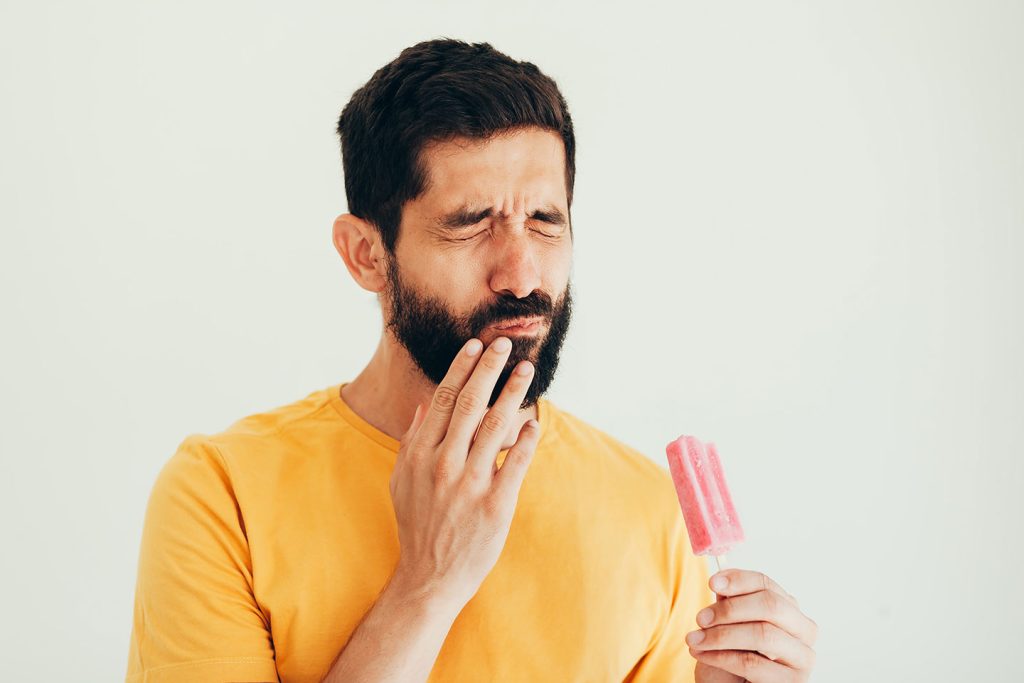 If you've ever winced while biting into ice cream or sipping a hot drink, you're not alone. That sharp, sudden pain could be a sign of tooth sensitivity, a condition that affects nearly 40% of people worldwide. While it might seem like a minor inconvenience, sensitive teeth can significantly impact your daily comfort. Understanding what causes this sensitivity and how to manage it can make all the difference. What Are Sensitive Teeth? Tooth sensitivity is more than just a momentary discomfort—it’s your body’s way of telling you something is amiss. At its core, the condition arises when the inner layer of your tooth, called dentine, becomes exposed. Dentine is protected by enamel, a hard outer layer, and contains thousands of microscopic channels that connect to your tooth’s nerve. When enamel wears away or gums recede, these channels become exposed to external stimuli like temperature changes or sugary foods, triggering sharp, sudden pain. What Causes Tooth Sensitivity? Sensitive teeth can develop for several reasons. One common cause is enamel erosion, which happens over time due to everyday habits. Aggressive brushing, using a hard-bristled toothbrush, or consuming acidic foods and drinks can all weaken enamel. Teeth grinding, often an unconscious behavior during...