IFD News
October 23, 2024
How to Prevent Cavities: Top Tips for Healthy Teeth
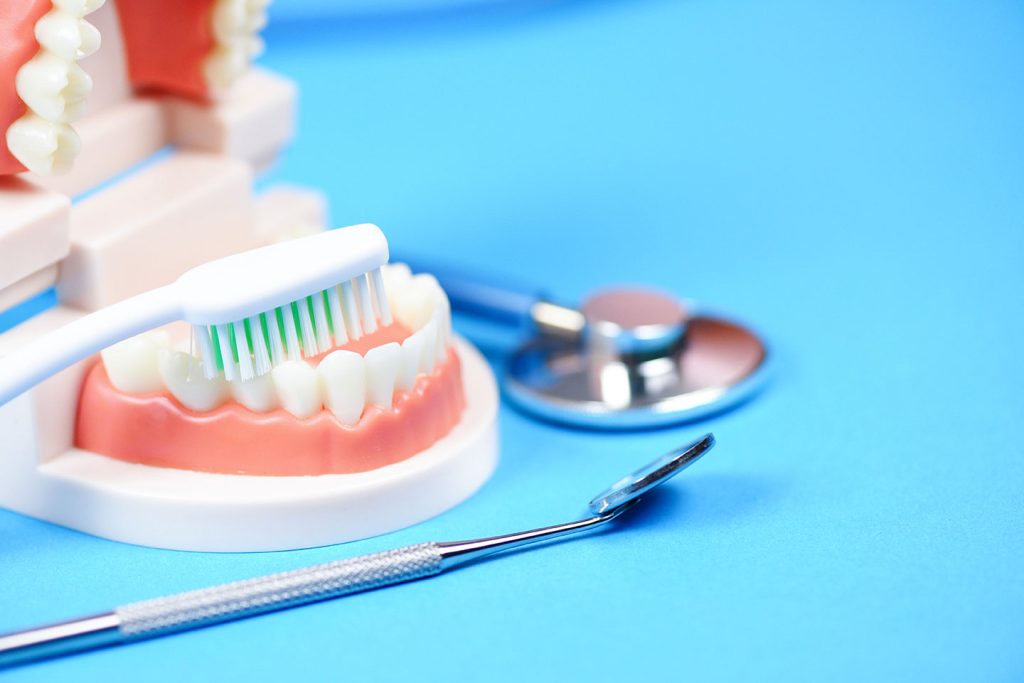 Cavities, also known as tooth decay, are one of the most common dental issues people face. They form when acids produced by bacteria in your mouth erode the enamel, leading to holes or "cavities" in the teeth. While cavities are common, they are entirely preventable with the right care and habits. In this blog, we’ll explore the top tips for keeping your teeth healthy and cavity-free. 1. Brush Your Teeth Twice a Day Brushing your teeth twice a day is the foundation of good oral hygiene and one of the best defenses against cavities. When you brush, you remove the plaque—a sticky film of bacteria that forms on your teeth after eating or drinking. If left on your teeth, plaque can produce acids that erode enamel, leading to cavities. Here are some tips for effective brushing: Use a fluoride toothpaste: Fluoride helps strengthen enamel and makes your teeth more resistant to decay. Brush for two minutes: Make sure you’re brushing long enough to thoroughly clean all surfaces of your teeth. Use a soft-bristled toothbrush: A soft-bristled brush is gentle on your gums and teeth, preventing damage while effectively removing plaque. 2. Don’t Forget to Floss Flossing is just as important...
  In today’s fast-paced world, stress is an unavoidable part of life. While it’s commonly known that stress can affect mental well-being and overall health, fewer people are aware of the significant impact stress can have on oral health. From grinding teeth to neglecting dental hygiene, the effects of stress on your mouth can lead to a host of problems. In this blog, we’ll explore the connection between stress and oral health and provide practical, easy-to-follow strategies for managing stress to protect your smile. How Stress Affects Oral Health 1. Bruxism (Teeth Grinding) One of the most common oral health issues caused by stress is bruxism, or teeth grinding. Many people grind or clench their teeth unconsciously, especially at night while they sleep. Over time, this can lead to tooth wear, fractures, jaw pain, and even temporomandibular joint (TMJ) disorders. Chronic teeth grinding can also cause headaches and neck pain, making the problem extend beyond your mouth. If untreated, the wear on your teeth can eventually lead to the need for crowns, fillings, or other dental restorations. 2. Gum Disease (Periodontal Disease) Stress is known to weaken the immune system, which makes it harder for your body to fight off infections,...