IFD News
April 15, 2024
Exploring Dental Fear and Anxiety
 Dental fear and anxiety are common issues that affect millions of people worldwide, preventing them from seeking necessary dental care and compromising their oral health. At Inland Family Dentistry, we recognize that dental fear and anxiety can stem from a number of root causes including past traumatic experiences, fear of pain, or general anxiety. We believe that addressing these concerns is crucial for maintaining a positive relationship with patients, helping to ensure they are able to live a life with a healthy smile. In this article, we'll explore some of the primary causes of dental fear and anxiety, provide tips for managing these feelings, and discuss how to find a dentist who is understanding and supportive. Causes of Dental Fear and Anxiety Dental fear and anxiety can arise from various sources, including: Past Traumatic Experiences: Negative experiences during childhood or adulthood, such as painful treatments or insensitive dental professionals, can leave lasting emotional scars. Fear of Pain: Many individuals associate dental visits with pain, leading to heightened anxiety before and during appointments. Loss of Control: Being in a vulnerable position during dental procedures can trigger feelings of helplessness and anxiety. Fear of Judgement: Concerns about the condition of one's teeth...
 February 21, 2024
Essential Pediatric Dentistry Tips for Parents
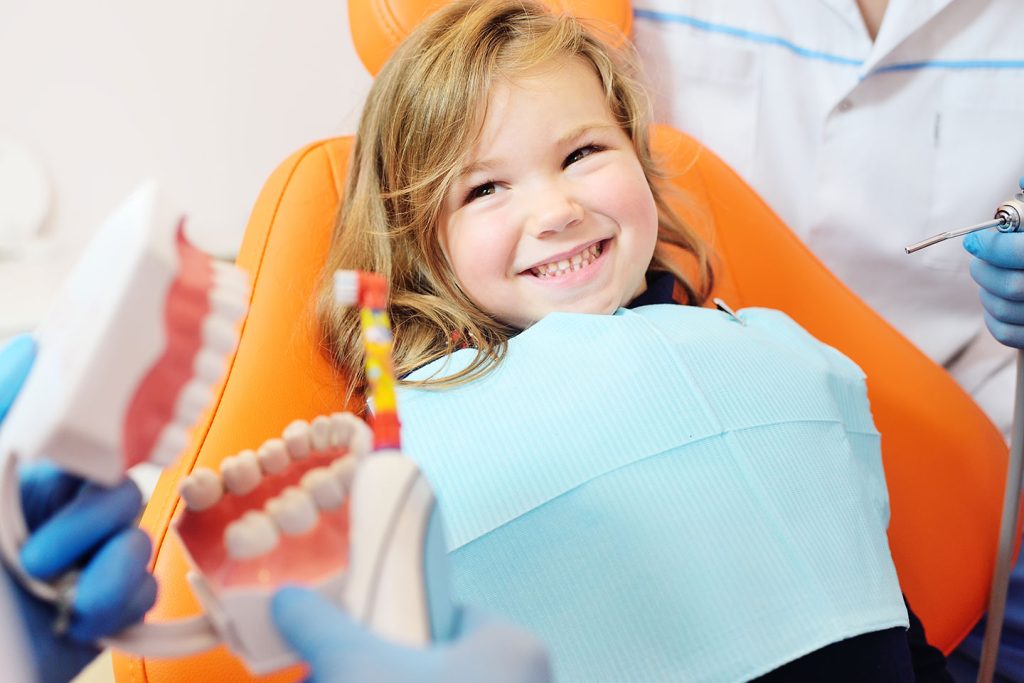 Pediatric dentistry plays a crucial role in ensuring the oral health and well-being of children. As parents, it's essential to instill good dental habits early on to set little ones up for a lifetime of healthy smiles. In this blog post, we'll explore some essential tips to help parents navigate their child's dental care journey with confidence and ease. Start Early: The American Academy of Pediatric Dentistry recommends that children should visit a pediatric dentist by their first birthday or within six months of the eruption of their first tooth. Early dental visits not only help in early detection of dental issues but also familiarize children with the dental environment, which can help in reducing anxiety during future visits. Practice Good Oral Hygiene: Teach your child the importance of brushing and flossing from an early age. Use a soft-bristled toothbrush and a pea-sized amount of fluoride toothpaste to gently brush their teeth twice a day. Encourage your child to spit out the toothpaste rather than swallowing it. As they grow older, supervise their brushing until they can effectively do it on their own, usually around the age of six or seven. Lead by Example: Children learn by observing their parents,...