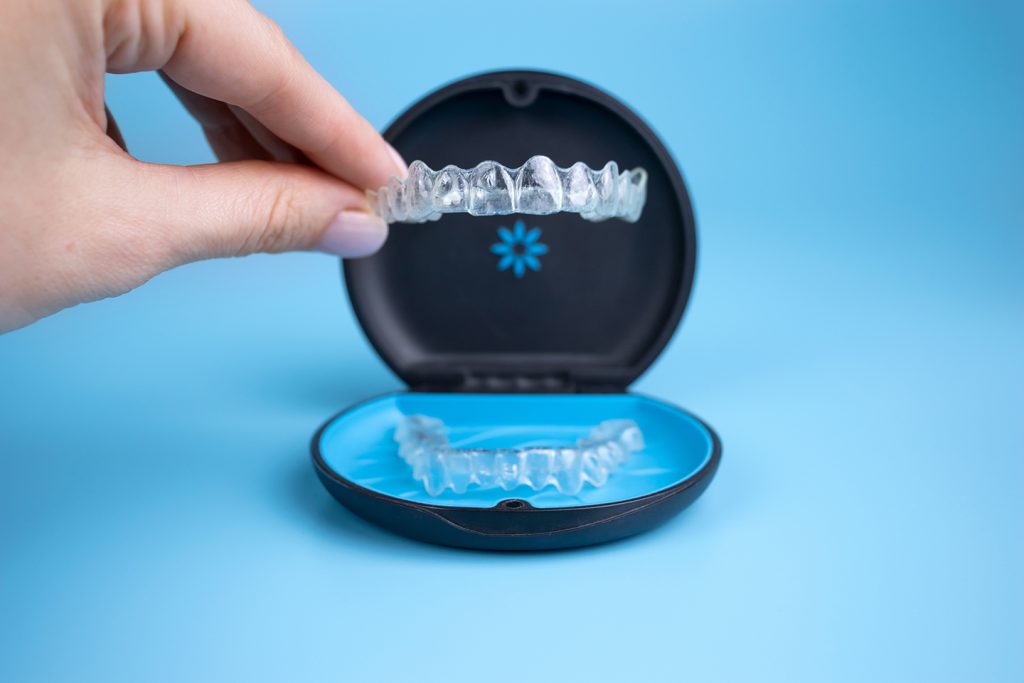
A straight, confident smile is something that many people desire, and with advancements in orthodontic technology, there are now more options than ever to achieve it. Two popular choices for teeth straightening are traditional braces and Invisalign clear braces. In this blog post, we'll explore the key differences between these two methods and shed light on the benefits of opting for Invisalign. Traditional Braces Traditional braces have been a staple in orthodontics for decades. They consist of metal brackets attached to each tooth, connected by wires. Here are some key aspects of traditional braces: 1. Visibility: Traditional braces are easily visible due to the metal components, making them a noticeable aspect of your smile. 2. Adjustments: Regular adjustments are required, usually every few weeks, to tighten the wires and encourage tooth movement. 3. Dietary Restrictions: Certain foods, such as sticky or hard items, need to be avoided to prevent damage to the braces. 4. Oral Hygiene: Cleaning around the brackets and wires requires extra attention, and special brushes or floss threaders may be needed. Invisalign Clear Braces Invisalign, on the other hand, represents a more modern approach to orthodontics. It utilizes a series of clear, removable aligners to gradually shift...
 Another trip around the sun, I want to recognize the moment and wish everyone a happy new year! While I’ve collected several lessons on our annual rotation, this past year was a reminder of the most important—cherish time with loved ones. Whenever I start to feel overwhelmed by the office or the trials of family entering a more challenging phase of life, I remind myself of what makes hard fun—you. I have always loved what I do. Trading jokes with patients, watching kids grow up, and serving my community is the honor of a lifetime. Speaking of our team, you will see a few new and old (meaning you’ve met them before, of course) faces at your next appointment. Susan retired but still pops in to save the day on occasion. Vicky is back, sometimes, solving all of life’s insurance mysteries. New to the administrative team, Maira and Lacey are both learning so fast and bring incredible health care experience. Tami is our new practice manager of operations; she did a phenomenal job during a challenging time and continues to lead the way, and I can’t thank her enough. Gwen supports the office as needed from home and provides care...