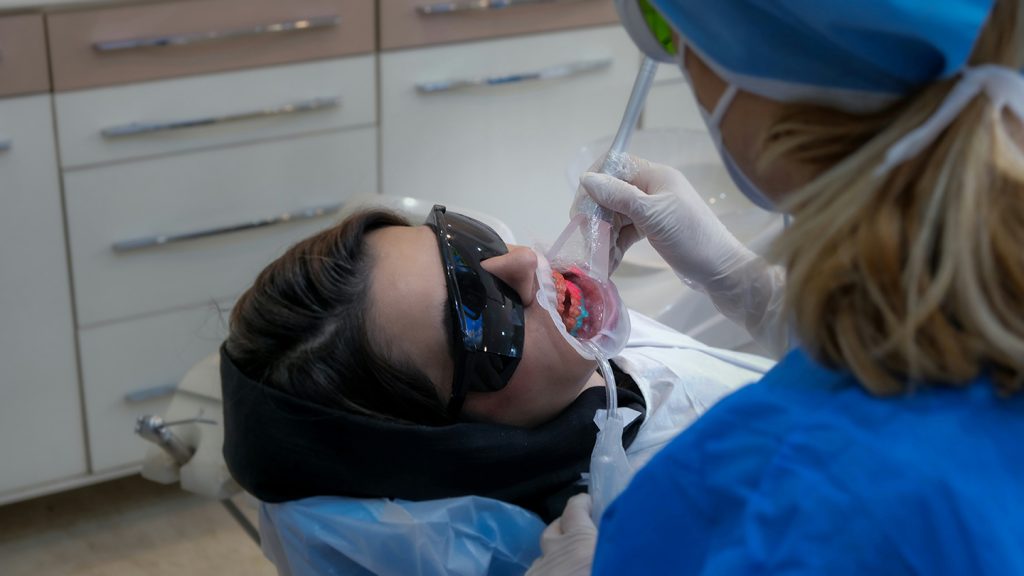
When it comes to smiles, “pearly whites” have become the gold standard. From filters on Instagram to whitening products lining store shelves, society has painted a picture that healthy teeth must be perfectly white. But here’s the truth: perfect whiteness doesn’t always equal perfect health. In fact, striving for an unnaturally white shade can sometimes do more harm than good. Let’s explore why, and what the natural shade spectrum of teeth really looks like. Why Aren’t Teeth Naturally Pure White? Contrary to what advertising suggests, teeth are not supposed to look like freshly painted walls. The inner layer of the tooth, called dentin, naturally has a yellowish hue. The outer layer, enamel, is translucent. When light passes through enamel, it reflects the dentin beneath it, giving teeth their natural off-white, slightly yellow, or even grayish appearance. This means that your “natural shade” might be closer to ivory than to bright white and that’s completely normal. Genetics, age, and lifestyle all influence your baseline tooth color. The Problem with “Perfect” Whiteness Chasing a bleach-white smile often leads people to overuse whitening products or seek quick-fix procedures that can weaken enamel. Here’s why that can be a problem: Enamel Damage Whitening products...
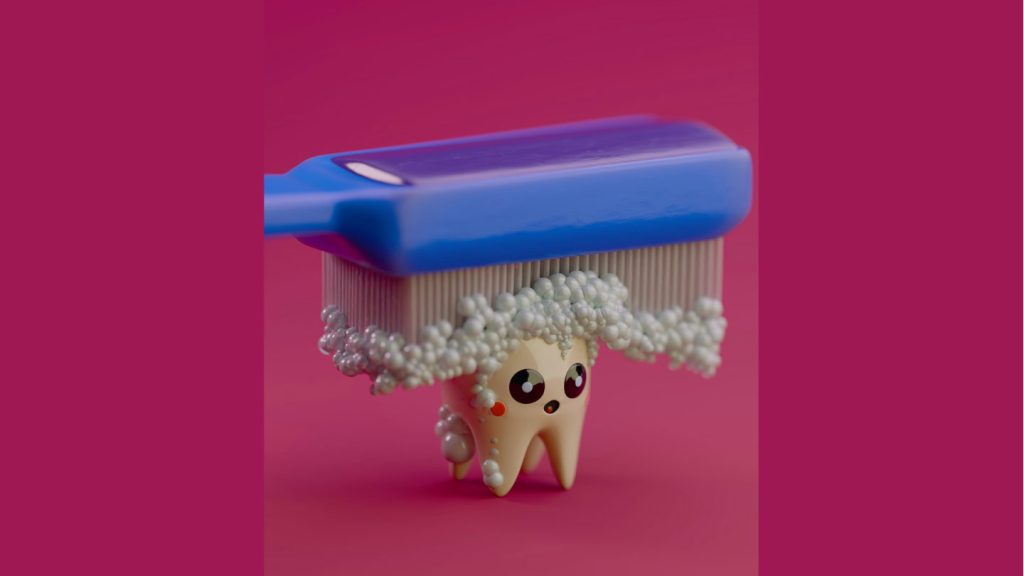 Getting kids to brush their teeth doesn’t have to feel like a daily battle. In fact, with the right mix of creativity, encouragement, and routine, brushing can become something your child actually looks forward to. Whether you’re helping a toddler learn the basics or guiding an older child toward more independence, there are plenty of fun ways to make brushing feel less like a chore and more like an activity they enjoy. In this guide, we’re sharing simple, playful, and effective strategies to help your child build great brushing habits that can last a lifetime. These tips are easy to put into practice and perfect for parents who want an stress-free approach to oral care at home. 1. Turn Brushing Into a Mini Game Kids love games—so why not turn brushing into one? Here are a few ideas to keep things fun: “Beat the Timer” Challenge: Set a two-minute timer and see if your child can keep brushing until the buzzer. Let them pick the timer sound for extra excitement. Sticker Rewards: Create a brushing chart where kids earn a sticker for each morning and night they brush. A full week of stickers can earn a small reward. Brushing Adventure...