IFD News
August 25, 2025
Bad Breath Solutions That Actually Work
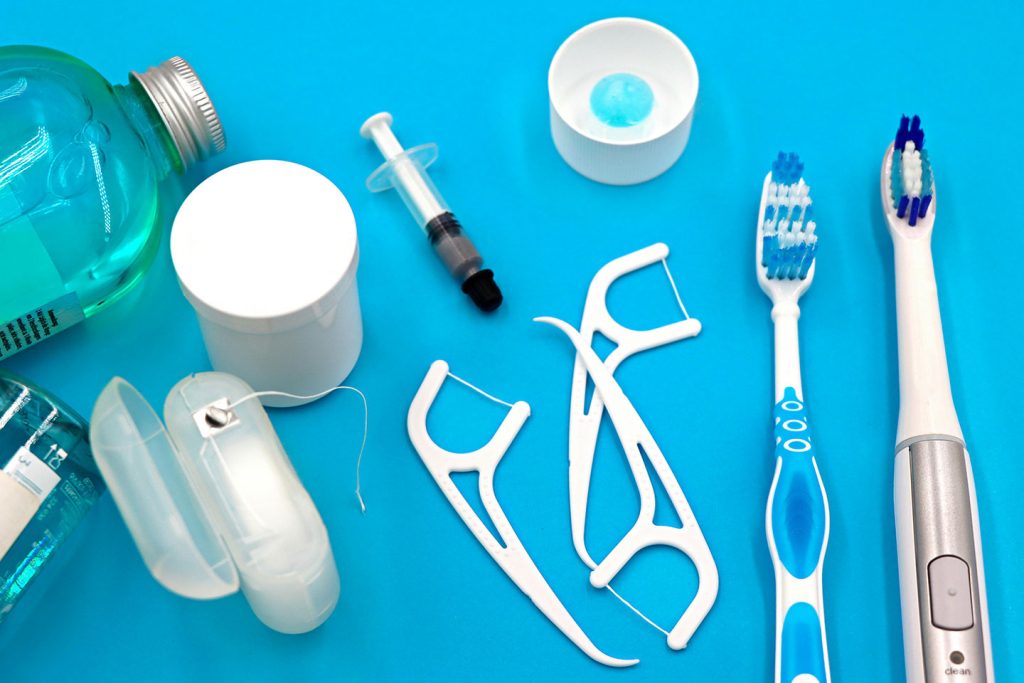 Bad breath, medically known as halitosis, affects nearly everyone at some point, yet it remains one of the most embarrassing dental concerns. While grabbing a mint or swishing mouthwash might provide temporary relief, these quick fixes often mask the problem rather than solve it. Understanding the root causes of bad breath and implementing targeted solutions can help you achieve lasting fresh breath confidence. The Real Culprits Behind Bad Breath Most people assume bad breath comes from what they eat, but the truth is more complex. While foods like garlic and onions certainly contribute to temporary odor, persistent bad breath usually stems from bacterial activity in your mouth. Your mouth contains hundreds of bacterial species, and when certain types multiply, they produce sulfur compounds that create that unmistakable unpleasant smell. The primary breeding ground for these bacteria is on your tongue, particularly the back portion where food particles, dead cells, and bacteria accumulate. This area often gets neglected during routine oral care, allowing bacteria to flourish. Additionally, bacteria hide between teeth, along the gumline, and in any areas where plaque builds up. Dry mouth significantly worsens bad breath because saliva naturally cleanses your mouth and neutralizes acids produced by bacteria. When...
 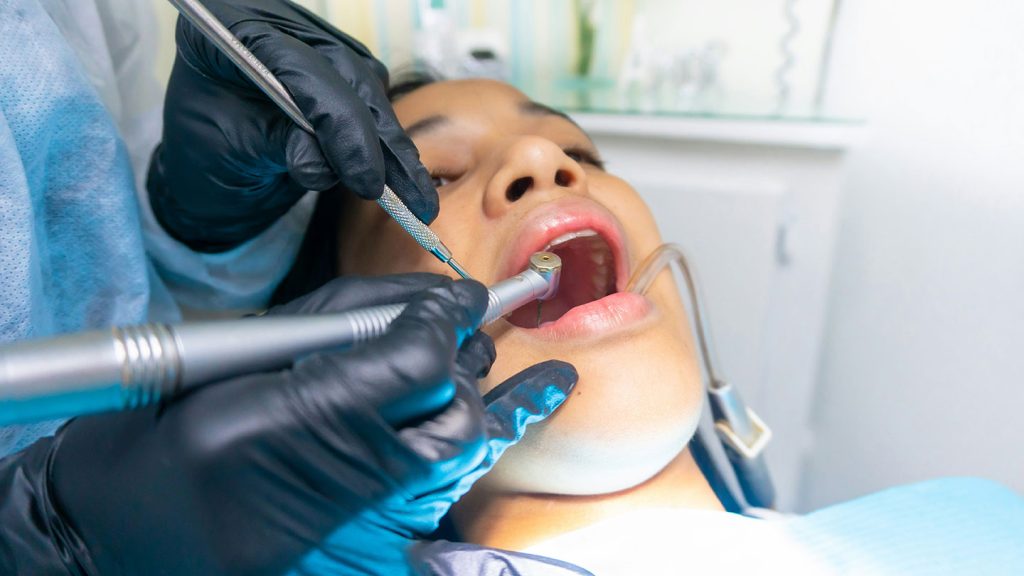 You're not alone if the thought of visiting the dentist makes your heart race. Dental anxiety affects millions of people, with studies showing that up to 20% of Americans avoid dental care due to fear. This avoidance can lead to more complex dental problems down the road, creating a cycle where anxiety worsens as dental health deteriorates. The good news is that dental anxiety is entirely manageable with the right strategies and understanding. Understanding the Root of Dental Anxiety Dental anxiety stems from various sources, and identifying your specific triggers is the first step toward overcoming them. Common causes include fear of pain, feeling helpless or out of control, embarrassment about dental health, or past traumatic experiences. Some people develop anxiety from hearing others' negative dental stories or from the clinical environment itself – the sounds, smells, and unfamiliar sensations. It's important to recognize that these fears are valid and normal. Modern dentistry has evolved significantly, with new techniques and technologies designed specifically to improve patient comfort. Understanding that your anxiety is a common response can help reduce the shame or embarrassment that often accompanies dental fear. Preparation Strategies That Work Preparation is your most powerful tool against dental anxiety....